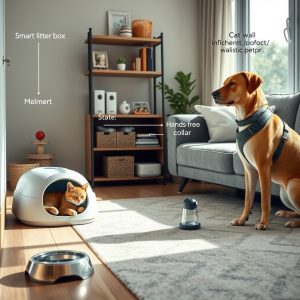
The Next Frontier in Animal Welfare: How Innovative Interventions and Precision Care Are Crafting a Future of Empathy and Science

Imagine a world where every animal—whether a therapy dog, a farm cow, or a household pet—receives care tailored not just to its species, but to its unique personality, preferences, and emotional needs. This isn’t a distant dream; it’s the emerging reality of Animal Assisted Intervention and evidence-based husbandry. As science and compassion converge, we’re witnessing a paradigm shift in how we understand, monitor, and enhance animal well-being. From robotic pet therapy to precision livestock farming, these innovations are redefining what it means to provide truly animal-centered care.
The Science Behind Animal-Centered Care Models
At the heart of modern animal welfare lies a simple yet revolutionary idea: animals are sentient beings with individual needs that extend far beyond basic survival. Animal Centered Care Models are built on this principle, integrating behavioral science, veterinary medicine, and technology to create environments where animals thrive. Unlike traditional approaches that focus solely on physical health, these models prioritize emotional and psychological well-being, using tools like Positive Welfare Indicators to measure happiness, engagement, and stress levels.
For example, Animal Behavior Monitoring systems now use AI-driven cameras and sensors to track subtle changes in movement, vocalizations, and social interactions. These insights allow caregivers to intervene before minor discomfort escalates into chronic stress or illness. Similarly, Cognitive Animal Enrichment programs—such as puzzle feeders or interactive toys—stimulate mental engagement, reducing boredom and promoting natural behaviors. When combined, these approaches create a holistic framework where every animal’s voice is heard, even if it’s not spoken.
How Human-Animal Interaction Is Redefining Therapy and Companionship
The bond between humans and animals has always been powerful, but today, we’re harnessing it in ways that benefit both parties. Animal Assisted Therapy (AAT) is no longer limited to guide dogs or emotional support animals; it now includes structured programs in hospitals, schools, and rehabilitation centers, where animals help reduce anxiety, improve social skills, and even accelerate physical recovery. Studies show that interactions with therapy animals can lower cortisol levels, increase oxytocin, and enhance overall well-being for humans—while also providing animals with fulfilling, voluntary roles.
Yet, the ethics of these programs are just as important as their benefits. Voluntary Participation Training ensures that animals engage in therapy sessions only when they’re comfortable, using positive reinforcement to create a stress-free experience. Meanwhile, Robotic Pet Therapy is emerging as a complementary tool, offering the benefits of companionship without the demands of live animal care. These lifelike robots, designed to mimic pets, are particularly valuable in settings where allergies, hygiene concerns, or logistical challenges make traditional AAT impractical.
The Role of Technology in Precision Livestock Farming
On farms and in sanctuaries, Precision Livestock Farming (PLF) is transforming how we manage animal populations. By leveraging data analytics, IoT devices, and machine learning, PLF enables farmers to monitor health, nutrition, and behavior in real time, ensuring that each animal receives Individualized Care Protocols. For instance, wearable sensors can detect early signs of illness, while automated feeding systems adjust portions based on an animal’s weight, activity level, and metabolic needs.
This shift toward precision care isn’t just about efficiency—it’s about ethics. Sustainable Animal Management practices reduce environmental impact while improving animal welfare, creating a win-win for farmers and animals alike. For example, Digital Health Tracking allows veterinarians to remotely assess an animal’s condition, reducing the need for stressful transports and improving Veterinary Care Accessibility. Meanwhile, Non-Pharmacological Interventions, such as tailored lighting or soothing music, help mitigate stress without relying on medication.
From Virtual Interactions to Compassionate Handling: The Future of Animal Welfare
As technology evolves, so do the ways we interact with animals. Virtual Animal Interaction platforms, for example, allow people to engage with animals through augmented reality (AR) or virtual reality (VR), offering therapeutic benefits without direct contact. These tools are particularly useful in educational settings, where students can learn about animal behavior and welfare without disrupting real animals. Similarly, Experiential Animal Learning programs immerse participants in hands-on activities—like training sessions or enrichment workshops—to foster empathy and understanding.
Yet, technology alone isn’t enough. Compassionate Handling Practices remain the cornerstone of animal welfare, ensuring that every interaction—whether with a therapy dog or a farm animal—is rooted in respect and kindness. Techniques like low-stress handling and positive reinforcement training not only improve animal well-being but also strengthen the human-animal bond. When combined with cutting-edge tools, these practices create a future where animals are not just cared for, but truly understood.
Measuring What Matters: The Importance of Animal Welfare Assessment
To ensure these innovations are effective, we need robust methods for evaluating animal welfare. Animal Welfare Assessment frameworks, such as the Five Domains Model, provide a structured way to measure physical health, mental state, and environmental conditions. These assessments go beyond traditional metrics like weight or mortality rates, instead focusing on Positive Welfare Indicators such as play behavior, social interactions, and vocalizations. By quantifying these factors, caregivers can make data-driven decisions that prioritize well-being over mere survival.
For example, a sanctuary might use behavioral observations to determine whether an animal prefers solitary or social living arrangements, then adjust its environment accordingly. Similarly, a farm could use Precision Livestock Farming data to identify which animals are thriving and which need additional support. These insights don’t just improve individual lives—they set new standards for what it means to provide ethical, compassionate care.
The future of animal welfare isn’t just about doing more—it’s about doing better. By embracing Animal Assisted Intervention, evidence-based husbandry, and innovative technologies, we’re not only enhancing the lives of animals but also deepening our connection to them. Whether through a therapy session, a farm management system, or a simple act of kindness, every effort brings us closer to a world where animals are seen, heard, and valued. The tools are here; the question is, how will we use them to shape a more empathetic future?