
The Future of Animal Well-Being: How Evidence-Based Husbandry and Innovative Interventions Are Redefining Care
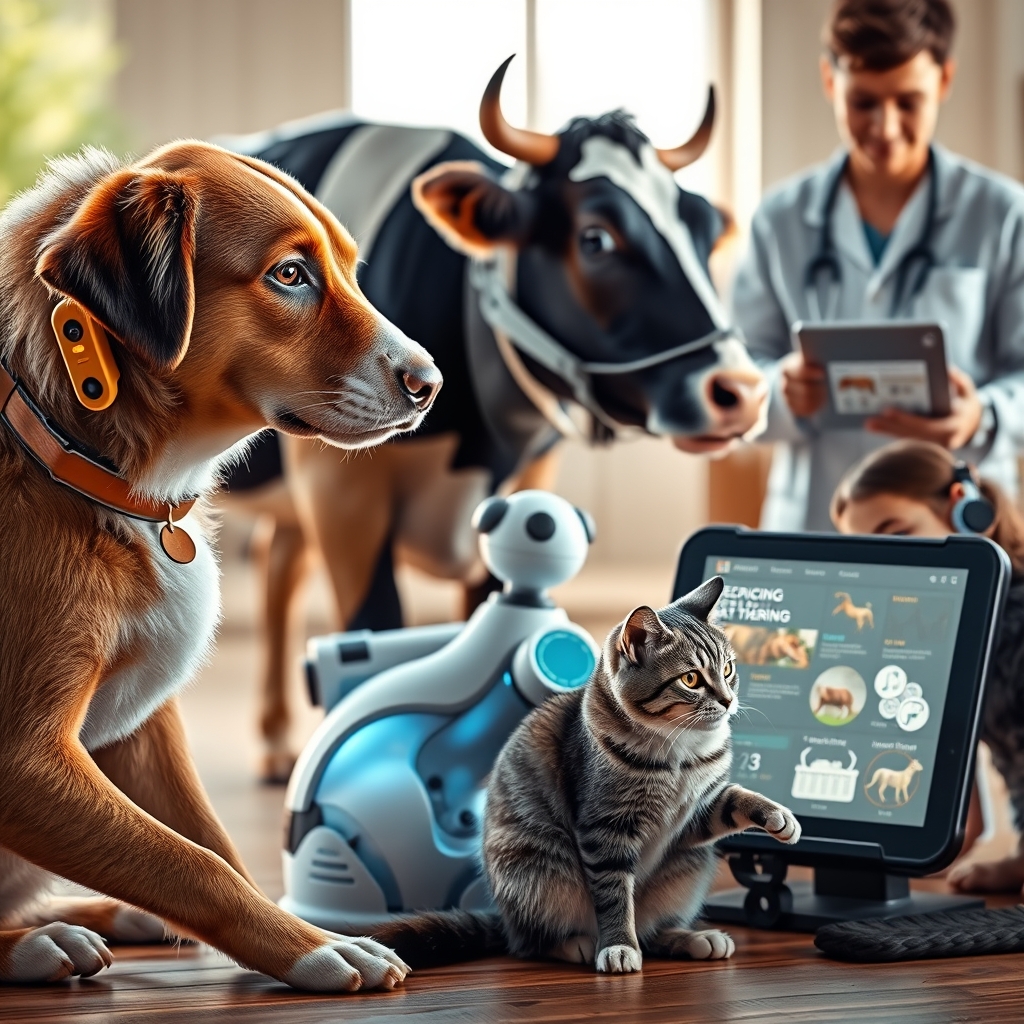
Imagine a world where animals don’t just survive—they thrive. Where every interaction, from a gentle stroke to a high-tech health scan, is designed to enhance their well-being. This isn’t a distant dream; it’s the reality unfolding through Animal Assisted Intervention and evidence-based husbandry. These approaches are transforming how we understand, monitor, and nurture animal welfare, blending compassion with cutting-edge science to create a future where animals live their best lives.
The Science Behind Animal Assisted Intervention
Animal Assisted Therapy has long been celebrated for its benefits to humans, but its impact on animals is equally profound. When implemented thoughtfully, these interventions foster positive welfare indicators such as reduced stress, increased socialization, and enhanced cognitive function. For example, therapy dogs in hospitals or nursing homes often show improved mood and physical health, not just in the patients they interact with but in themselves. The key lies in voluntary participation training, where animals are given the autonomy to engage—or disengage—from interactions, ensuring their comfort and agency.
Research in human-animal interaction reveals that animals, like humans, experience emotional and psychological benefits from meaningful engagement. Studies show that dogs involved in therapeutic settings exhibit lower cortisol levels and higher oxytocin, the so-called “love hormone,” when their interactions are positive and stress-free. This underscores the importance of compassionate handling practices and individualized care protocols that prioritize the animal’s emotional and physical needs.
Precision Livestock Farming: A Data-Driven Approach to Welfare
In livestock management, precision livestock farming is revolutionizing how we care for animals. By leveraging animal behavior monitoring technologies—such as wearable sensors and AI-driven analytics—farmers can detect early signs of illness, stress, or discomfort. These tools provide real-time data on everything from heart rate variability to movement patterns, enabling proactive interventions that prevent suffering before it starts.
For instance, dairy farms using digital health tracking can identify cows with subclinical mastitis days before visible symptoms appear, allowing for timely treatment and reducing the need for antibiotics. This not only improves animal welfare but also enhances productivity and sustainability. Sustainable animal management isn’t just about reducing harm; it’s about creating systems where animals can express natural behaviors, live in low-stress environments, and receive care tailored to their unique needs.
Beyond Traditional Care: The Rise of Non-Pharmacological Interventions
While veterinary medicine has made incredible strides, non-pharmacological interventions are emerging as powerful tools to enhance animal well-being. Cognitive animal enrichment, for example, involves activities that stimulate an animal’s mind, such as puzzle feeders for dogs or foraging toys for zoo animals. These interventions reduce boredom, prevent behavioral issues, and promote mental health—just as they do for humans.
Another innovative approach is robotic pet therapy, which is gaining traction in settings where live animals may not be feasible, such as hospitals with strict hygiene protocols. Robotic pets, like lifelike cats or dogs, can provide companionship and emotional support without the logistical challenges of live animals. While they don’t replace the bond between humans and real animals, they offer a valuable alternative in environments where traditional animal assisted therapy isn’t possible.
Virtual Animal Interaction: The Digital Frontier of Welfare
The digital age has given rise to virtual animal interaction, a burgeoning field that uses technology to simulate human-animal bonds. Virtual reality (VR) experiences, for example, allow users to “interact” with animals in immersive environments, which can be particularly beneficial for individuals with allergies or those in remote locations. While these experiences don’t replace real interactions, they can serve as a bridge, fostering empathy and understanding of animal behavior and needs.
For animals, digital tools are also enhancing welfare. Experiential animal learning programs use interactive screens and games to teach animals new skills or provide mental stimulation. Zoos and sanctuaries are increasingly adopting these technologies to keep animals engaged and mentally active, reducing stress and improving overall well-being.
Building Animal-Centered Care Models
At the heart of these advancements is a shift toward animal-centered care models, where the animal’s preferences, behaviors, and emotional states guide every decision. This approach goes beyond basic needs like food and shelter; it considers the animal’s subjective experience of the world. Animal welfare assessment tools, such as the Five Domains Model, evaluate not just physical health but also mental and emotional well-being, ensuring a holistic approach to care.
For pet owners, this means embracing practices like voluntary participation training, where pets are encouraged to engage in activities at their own pace. It also means leveraging veterinary care accessibility tools, such as telemedicine, to ensure pets receive timely care without the stress of travel. By prioritizing the animal’s perspective, we create environments where they can flourish rather than merely exist.
The Path Forward: Integrating Innovation and Compassion
The future of animal welfare lies in the seamless integration of innovation and compassion. Precision livestock farming and digital health tracking provide the data-driven insights needed to make informed decisions, while animal assisted interventions and non-pharmacological therapies ensure those decisions are rooted in empathy. Together, these approaches are redefining what it means to care for animals, shifting the focus from survival to thriving.
As technology continues to evolve, so too will our ability to understand and meet the needs of animals. Whether through robotic pet therapy, virtual animal interaction, or individualized care protocols, the goal remains the same: to create a world where every animal has the opportunity to live a life filled with joy, comfort, and dignity. The tools are here; it’s up to us to use them wisely and with heart.