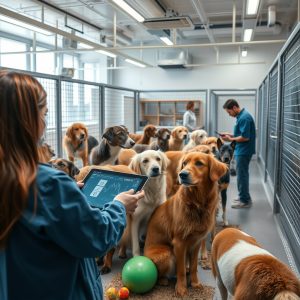
Revolutionizing Animal Care: The Impact of Animal Assisted Intervention and Evidence-Based Husbandry
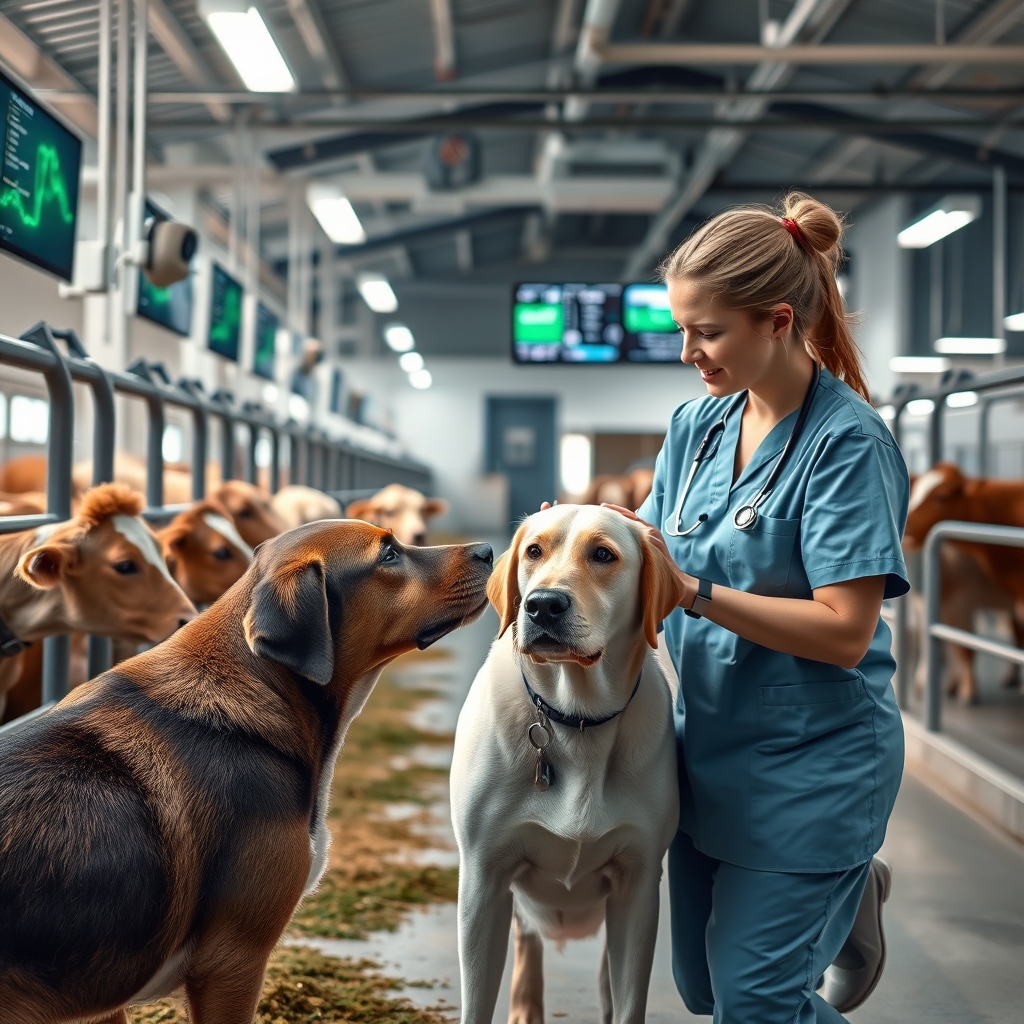
In the realm of animal care, the integration of Animal Assisted Intervention (AAI) and Evidence-Based Husbandry (EBH) is transforming traditional practices, leading to enhanced well-being for animals. This innovative approach combines the therapeutic benefits of human-animal interaction with data-driven husbandry methods, resulting in positive welfare indicators and improved quality of life for animals.
Understanding Animal Assisted Intervention
Animal Assisted Therapy (AAT) is a key component of AAI, utilizing the bond between humans and animals to promote healing and emotional support. This therapy has been shown to reduce stress and anxiety in both humans and animals, fostering a mutually beneficial relationship. Robotic Pet Therapy is an emerging field within AAI, offering a technological alternative for those who cannot interact with live animals.
The Role of Evidence-Based Husbandry
Evidence-Based Husbandry focuses on using scientific data to inform animal care practices. Precision Livestock Farming (PLF) is a prime example, employing advanced technologies to monitor animal behavior and health. This approach allows for the development of Individualized Care Protocols, ensuring that each animal receives tailored attention based on its specific needs.
Positive Welfare Indicators and Voluntary Participation
One of the primary goals of AAI and EBH is to enhance Positive Welfare Indicators. This includes ensuring that animals exhibit natural behaviors and show signs of contentment. Voluntary Participation Training is a method used to encourage animals to engage in activities willingly, promoting a positive and stress-free environment.
Experiential Learning and Sustainable Management
Experiential Animal Learning is another critical aspect, where animals learn through direct experience, enhancing their cognitive abilities. Sustainable Animal Management practices are also essential, focusing on long-term environmental and economic sustainability. Animal Centered Care Models prioritize the well-being of the animal, ensuring that all practices are aligned with their natural needs and behaviors.
Assessing and Enhancing Animal Welfare
Animal Welfare Assessment is a continuous process that involves evaluating the physical and psychological well-being of animals. Cognitive Animal Enrichment activities are designed to stimulate the mind, reducing boredom and promoting mental health. Non Pharmacological Interventions, such as environmental enrichment and social interaction, are preferred methods for enhancing welfare without the use of medication.
Technology and Innovation in Animal Care
Virtual Animal Interaction and Digital Health Tracking are innovative technologies that are revolutionizing animal care. These tools allow for real-time monitoring and intervention, ensuring that animals receive timely and appropriate care. Veterinary Care Accessibility is improved through these technologies, making professional care more readily available.
Compassionate Handling and Future Directions
Compassionate Handling Practices are at the core of AAI and EBH, emphasizing the importance of gentle and respectful treatment. The future of animal care lies in the continued integration of technology and compassion, crafting a new standard of care that is both measurable and individualized.