
The Science of Happier Animals: How Animal Assisted Intervention and Precision Care Are Redefining Welfare Standards
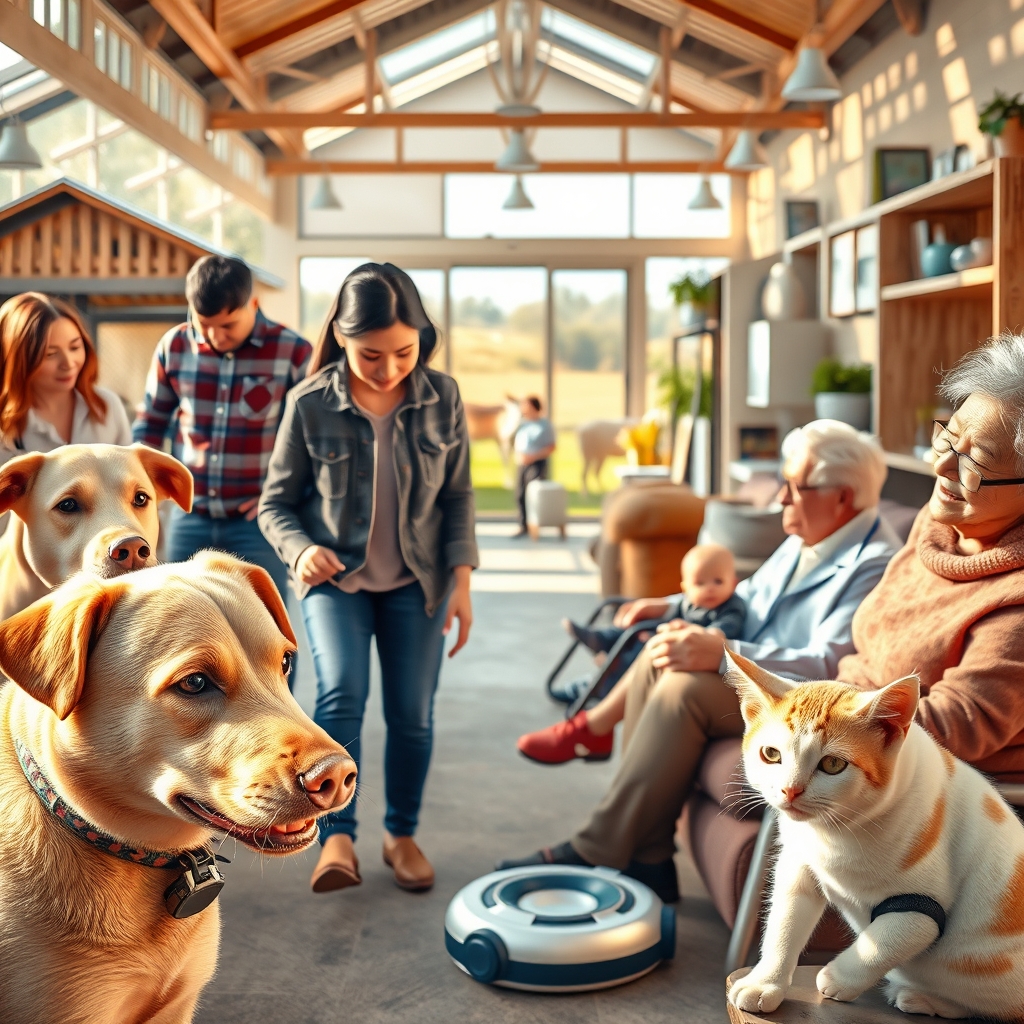
Imagine a world where every animal—whether a therapy dog, a farm pig, or a household cat—receives care tailored not just to its species, but to its unique personality, preferences, and needs. This isn’t a distant dream; it’s the emerging reality of Animal Assisted Intervention and evidence-based husbandry. By blending cutting-edge technology with compassionate practices, we’re moving beyond traditional welfare models to create environments where animals don’t just survive—they thrive.
The Evolution of Animal Welfare: From Basic Needs to Positive Experiences
For decades, animal welfare focused on meeting basic needs: food, shelter, and medical care. While these remain foundational, modern science reveals that true well-being extends far deeper. Positive welfare indicators, such as playfulness, curiosity, and social engagement, are now recognized as critical markers of an animal’s quality of life. Studies show that animals experiencing positive emotions live longer, recover faster from illness, and form stronger bonds with humans.
This shift has given rise to animal-centered care models that prioritize emotional and psychological health. For example, voluntary participation training allows animals to choose whether to engage in activities, reducing stress and fostering autonomy. Similarly, cognitive animal enrichment—like puzzle feeders or scent games—stimulates mental engagement, preventing boredom and behavioral issues.
How Animal Assisted Therapy Is Transforming Human-Animal Bonds
The power of human-animal interaction is well-documented, from lowering blood pressure to easing symptoms of anxiety and depression. But what if these benefits could be amplified through precision? Animal Assisted Therapy (AAT) is evolving with data-driven insights, ensuring that interactions are not only therapeutic for humans but also enriching for the animals involved.
Programs now use animal behavior monitoring tools, such as wearable sensors, to track stress levels in therapy animals. If a dog shows signs of fatigue or discomfort, handlers can adjust sessions to prevent burnout. This approach aligns with individualized care protocols, where every animal’s comfort and well-being are prioritized alongside therapeutic outcomes.
The Rise of Robotic and Virtual Alternatives
While live animal interactions remain invaluable, robotic pet therapy and virtual animal interaction are emerging as complementary tools. Robotic pets, like lifelike cats or dogs, provide companionship for individuals who may not be able to care for a live animal, such as elderly patients in nursing homes. These robots mimic behaviors like purring or tail-wagging, offering emotional support without the logistical challenges of live pets.
Virtual reality (VR) experiences are also gaining traction, allowing users to interact with digital animals in immersive environments. These innovations expand access to the benefits of human-animal interaction, particularly in settings where live animals may not be feasible.
Precision Livestock Farming: A Data-Driven Approach to Animal Care
On farms, precision livestock farming is revolutionizing how we monitor and manage animal health. Sensors and AI-driven analytics track everything from movement patterns to vocalizations, detecting early signs of illness or distress. This real-time data enables farmers to intervene proactively, reducing reliance on reactive treatments and improving overall welfare.
For instance, digital health tracking systems can alert farmers to changes in an animal’s eating habits, which may indicate pain or disease. Similarly, compassionate handling practices, such as low-stress herding techniques, minimize fear and aggression, creating a calmer environment for both animals and workers.
Sustainable Animal Management: Balancing Ethics and Efficiency
Sustainability and animal welfare are no longer mutually exclusive. Sustainable animal management practices, such as rotational grazing or regenerative agriculture, enhance both environmental health and animal well-being. These methods reduce stress by allowing animals to exhibit natural behaviors, like foraging or socializing, while also improving soil health and biodiversity.
Moreover, non-pharmacological interventions, such as massage or aromatherapy, are being integrated into care routines to reduce reliance on medications. These holistic approaches align with the growing demand for ethical, transparent farming practices.
The Future of Veterinary Care: Accessibility and Innovation
Access to veterinary care remains a challenge for many pet owners, particularly in underserved communities. However, telemedicine and mobile clinics are bridging this gap, offering veterinary care accessibility to those who need it most. Wearable devices, like smart collars, enable remote monitoring, allowing veterinarians to provide timely advice without in-person visits.
Innovations in animal welfare assessment are also making it easier to measure well-being objectively. Tools like facial expression analysis or heart rate variability monitoring provide quantifiable data on an animal’s emotional state, helping caregivers make informed decisions about their care.
Experiential Learning: Educating the Next Generation of Animal Advocates
Education plays a pivotal role in advancing animal welfare. Experiential animal learning programs, such as humane education initiatives, teach children and adults about responsible pet ownership, ethical farming, and the science behind animal behavior. These hands-on experiences foster empathy and encourage lifelong advocacy for animals.
For example, interactive workshops where participants train shelter dogs using positive reinforcement techniques not only improve the animals’ adoptability but also teach humans about the importance of compassionate handling practices. This ripple effect creates a more informed and caring society.
As we continue to refine our understanding of animal welfare, one thing is clear: the future lies in personalized, data-driven, and compassionate care. Whether through Animal Assisted Intervention, precision livestock farming, or innovative therapies, the goal remains the same—to create a world where every animal’s well-being is not just protected, but celebrated. By embracing these advancements, we’re not only improving the lives of animals but also deepening the bonds we share with them, one tail wag, purr, or gentle nuzzle at a time.