
The Silent Revolution: How Animal Assisted Intervention and Precision Care Are Redefining Animal Welfare Beyond Traditional Boundaries
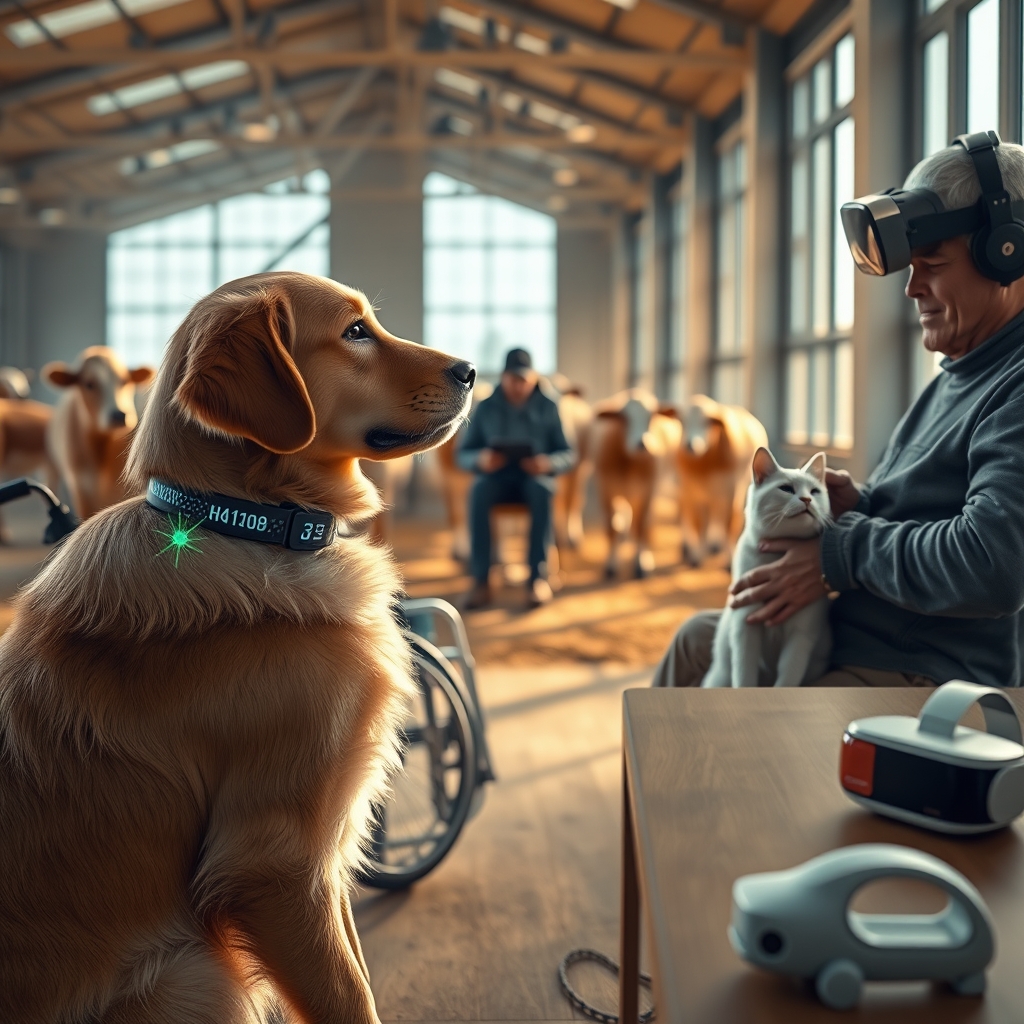
Imagine a world where every animal—whether a therapy dog, a dairy cow, or a shelter cat—receives care tailored not just to its species, but to its unique personality, preferences, and emotional needs. This isn’t a distant utopia; it’s the emerging reality shaped by Animal Assisted Intervention and evidence-based husbandry. These approaches are dismantling outdated one-size-fits-all models, replacing them with systems that prioritize individual well-being, voluntary participation, and measurable positive welfare indicators. The shift is profound, blending cutting-edge technology with deep compassion to create a new standard of care.
The Power of Human-Animal Interaction in Therapeutic Settings
Animal Assisted Therapy (AAT) has long been celebrated for its ability to heal, comfort, and motivate. But what if we could make these interactions even more impactful? Research now shows that the benefits of AAT extend beyond emotional support—they can accelerate physical rehabilitation, reduce stress biomarkers, and even improve cognitive function in patients with dementia. The key lies in structured, goal-oriented sessions where animals are active participants, not passive props.
For example, dogs trained in voluntary participation training can choose whether to engage in a session, ensuring their welfare isn’t compromised for human benefit. This ethical framework doesn’t just protect animals; it enhances the therapy’s effectiveness. When animals are happy and engaged, their interactions become more authentic, creating deeper connections with patients. The ripple effects are undeniable: shorter hospital stays, reduced reliance on pharmacological interventions, and a renewed sense of purpose for both humans and animals.
Precision Livestock Farming: Where Data Meets Compassion
The agricultural industry is undergoing its own quiet revolution, driven by precision livestock farming and animal behavior monitoring. Gone are the days when farmers relied solely on intuition to gauge an animal’s health. Today, sensors, AI-driven analytics, and wearable tech provide real-time insights into everything from stress levels to feed efficiency. This data doesn’t just optimize productivity—it transforms how we understand and respond to animal needs.
Consider a dairy farm where cows wear smart collars tracking movement, rumination, and even social interactions. Algorithms detect subtle changes in behavior, flagging potential health issues before they become critical. This proactive approach reduces the need for reactive treatments, aligning with non-pharmacological interventions and sustainable animal management. The result? Healthier animals, higher-quality products, and a more ethical food system.
From Robotic Pets to Virtual Companions: The Digital Frontier of Animal Care
Not all animals can participate in traditional therapy or live in ideal conditions. Enter robotic pet therapy and virtual animal interaction, innovative solutions bridging gaps in accessibility. Robotic pets, designed to mimic the behaviors of real animals, have shown remarkable success in reducing loneliness and anxiety among elderly patients, particularly those with limited mobility. Meanwhile, virtual reality experiences allow users to interact with digital animals in immersive environments, offering therapeutic benefits without the logistical challenges of live animal care.
These technologies aren’t replacements for real animals—they’re complementary tools expanding the reach of human-animal interaction. For instance, children with autism may practice social skills with a robotic dog before transitioning to a live therapy animal. The goal is to create inclusive, adaptable care models that meet individuals where they are, both physically and emotionally.
Individualized Care Protocols: The Heart of Animal-Centered Models
At the core of this revolution is the shift toward individualized care protocols. Just as precision medicine tailors treatments to a person’s genetic makeup, animal-centered care models consider an animal’s history, temperament, and environmental preferences. This approach is particularly transformative in shelters and sanctuaries, where stress and behavioral issues often stem from a lack of agency.
Take experiential animal learning, a method that allows animals to explore and interact with their environment at their own pace. In shelters, this might mean giving cats the choice to approach visitors or retreat to a quiet space. For farm animals, it could involve designing enclosures that encourage natural behaviors, like rooting for pigs or perching for chickens. These small changes yield big results: reduced aggression, lower cortisol levels, and higher adoption rates for shelter animals.
Assessing Welfare: Beyond the Absence of Harm
Traditional welfare assessments often focus on minimizing suffering, but modern frameworks go further. Positive welfare indicators, such as play behavior, social bonding, and curiosity, are now used to measure thriving—not just survival. Tools like the Animal Welfare Assessment Grid evaluate factors like nutrition, environment, health, and behavior, providing a holistic view of an animal’s quality of life. This data-driven approach ensures that care decisions are grounded in science, not guesswork.
For example, zoos and aquariums are increasingly using cognitive animal enrichment to stimulate animals mentally and emotionally. Puzzle feeders, scent trails, and interactive toys challenge animals to problem-solve, preventing boredom and promoting psychological well-being. These practices reflect a broader cultural shift: animals are no longer seen as commodities or tools, but as sentient beings deserving of fulfilling lives.
The Future of Veterinary Care: Accessibility and Compassion
Even veterinary medicine is evolving to embrace these principles. Digital health tracking and telemedicine are making care more accessible, particularly in underserved communities. Wearable devices monitor vital signs, alerting owners and veterinarians to potential issues before they escalate. Meanwhile, compassionate handling practices—such as low-stress restraint techniques—are becoming the gold standard, reducing fear and anxiety during vet visits.
These advancements aren’t just improving outcomes; they’re redefining the human-animal bond. When care is proactive, personalized, and rooted in empathy, animals thrive—and so do the people who love them. The silent revolution in animal welfare isn’t just about better science; it’s about deeper connections, where every interaction is an opportunity to honor the unique spirit of each animal.
As we stand at the intersection of innovation and compassion, one thing is clear: the future of animal care isn’t about doing more—it’s about doing better. Whether through Animal Assisted Intervention, precision farming, or individualized protocols, the goal remains the same: to create a world where every animal has the chance to live a life worth living. The tools are here; the question is, how will we use them to shape a kinder, smarter future?