
Beyond Traditional Care: How Animal Assisted Intervention and Precision Husbandry Are Crafting a Future of Tailored Animal Well-Being
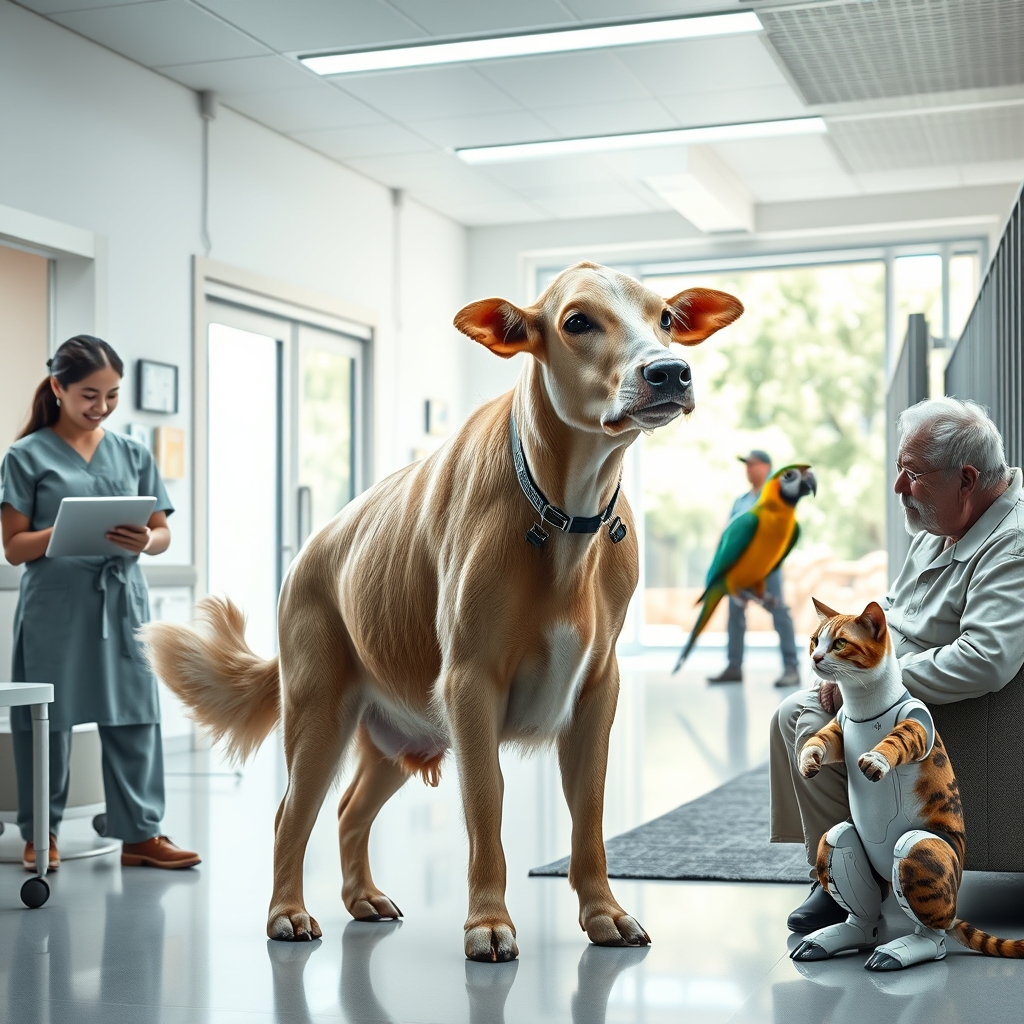
Imagine a world where every animal—whether a therapy dog, a farm animal, or a beloved pet—receives care tailored to their unique needs, emotions, and behaviors. This isn’t a distant dream; it’s the reality being shaped by Animal Assisted Intervention and evidence-based husbandry. These approaches are redefining how we understand and enhance animal welfare, blending cutting-edge technology with compassionate, individualized care. From robotic pet therapy to precision livestock farming, the future of animal well-being is here, and it’s more personalized than ever.
The Evolution of Animal Assisted Intervention: More Than Just Companionship
Animal Assisted Therapy (AAT) has long been recognized for its benefits in human mental and physical health. But what if we told you that the relationship is reciprocal? Modern Human Animal Interaction research reveals that animals, too, experience measurable improvements in well-being when engaged in structured, positive interactions. These interventions go beyond simple companionship, incorporating voluntary participation training and experiential animal learning to ensure animals are active, willing participants in their care.
For example, therapy dogs in hospitals aren’t just present—they’re trained to engage in specific behaviors that reduce stress for both patients and themselves. This shift from passive to active participation marks a significant leap in how we perceive the role of animals in therapeutic settings. By prioritizing positive welfare indicators, such as playfulness and social engagement, we’re not just improving human lives; we’re elevating the quality of life for the animals involved.
Precision Husbandry: Where Data Meets Compassion
The rise of Precision Livestock Farming is transforming how we manage animal populations, particularly in agriculture. Gone are the days of one-size-fits-all care. Today, farmers and caretakers use animal behavior monitoring tools, such as wearable sensors and AI-driven analytics, to track everything from movement patterns to stress levels. This data allows for individualized care protocols that address the specific needs of each animal, whether it’s adjusting feed, modifying housing, or providing targeted enrichment.
But precision husbandry isn’t just about efficiency—it’s about empathy. By leveraging digital health tracking, caretakers can detect early signs of illness or distress, enabling proactive interventions that improve outcomes. For instance, dairy farms using automated milking systems can monitor udder health in real-time, reducing the need for reactive treatments and enhancing overall welfare. This fusion of technology and compassionate handling practices is setting a new standard for sustainable animal management.
The Role of Technology in Modern Animal Care
Technology is no longer a luxury in animal care—it’s a necessity. Robotic pet therapy, for example, is emerging as a viable alternative for individuals who may not be able to care for a live animal. These robots, designed to mimic the behaviors of real pets, provide companionship and emotional support without the logistical challenges of traditional pet ownership. While they can’t replace the bond between humans and animals, they offer a valuable tool for populations such as the elderly or those in long-term care facilities.
Similarly, virtual animal interaction platforms are gaining traction, allowing users to engage with animals remotely. These innovations are particularly useful in educational settings, where students can learn about animal behavior and welfare without the constraints of physical proximity. By expanding access to Human Animal Interaction, technology is democratizing the benefits of animal-assisted interventions.
Cognitive Enrichment and Non-Pharmacological Interventions: A Holistic Approach
Animals, like humans, thrive when their minds are engaged. Cognitive animal enrichment—activities designed to stimulate an animal’s problem-solving skills and curiosity—is becoming a cornerstone of modern welfare practices. Whether it’s puzzle feeders for zoo animals or scent games for shelter dogs, these interventions reduce boredom, alleviate stress, and promote natural behaviors. The result? Happier, healthier animals with improved positive welfare indicators.
Complementing cognitive enrichment are non-pharmacological interventions, which focus on improving welfare without relying on medication. Techniques such as massage, music therapy, and even aromatherapy are being used to reduce anxiety and pain in animals. For example, classical music has been shown to lower stress levels in shelter dogs, while gentle massage can improve mobility in aging horses. These approaches align with animal-centered care models, which prioritize the animal’s emotional and psychological well-being alongside their physical health.
Assessing Welfare: The Science Behind Happier Animals
How do we know if an animal is truly thriving? Animal welfare assessment tools, such as the Five Domains Model, provide a framework for evaluating an animal’s physical and mental state. These assessments consider factors like nutrition, environment, health, behavior, and mental experiences, offering a holistic view of welfare. By using these tools, caretakers can identify areas for improvement and implement targeted interventions, such as voluntary participation training or environmental modifications.
For instance, a zoo might use welfare assessments to determine if an enclosure provides adequate mental stimulation for its inhabitants. If the assessment reveals signs of boredom or stress, the zoo can introduce new enrichment activities or redesign the space to better suit the animals’ needs. This proactive approach ensures that welfare is not just a goal but a measurable outcome.
The Future of Animal Care: Accessibility, Sustainability, and Compassion
As we look ahead, the future of animal care is being shaped by three key pillars: accessibility, sustainability, and compassion. Veterinary care accessibility is expanding through telemedicine and mobile clinics, ensuring that animals in remote or underserved areas receive the care they need. Meanwhile, sustainable animal management practices are reducing the environmental impact of animal agriculture, balancing productivity with ethical responsibility.
At the heart of these advancements is a commitment to compassionate handling practices. Whether it’s training livestock to voluntarily participate in medical procedures or using positive reinforcement to shape pet behaviors, the focus is on building trust and reducing stress. This shift toward animal-centered care models reflects a deeper understanding of animals as sentient beings with unique needs and preferences.
The journey toward optimal animal well-being is ongoing, but the tools and knowledge we have today are more powerful than ever. By embracing Animal Assisted Intervention, precision husbandry, and innovative technologies, we’re not just improving the lives of animals—we’re redefining what it means to care. The next time you interact with an animal, whether it’s a therapy dog, a farm animal, or your own pet, consider the science and compassion behind their care. Because in this new era of animal welfare, every interaction is an opportunity to make a difference.