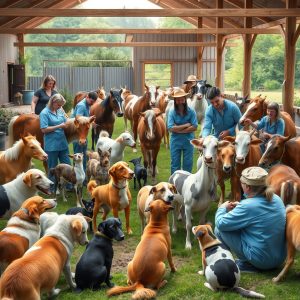
The Hidden Language of Well-Being: How Animal Assisted Intervention and Precision Care Are Decoding Happiness in Animals
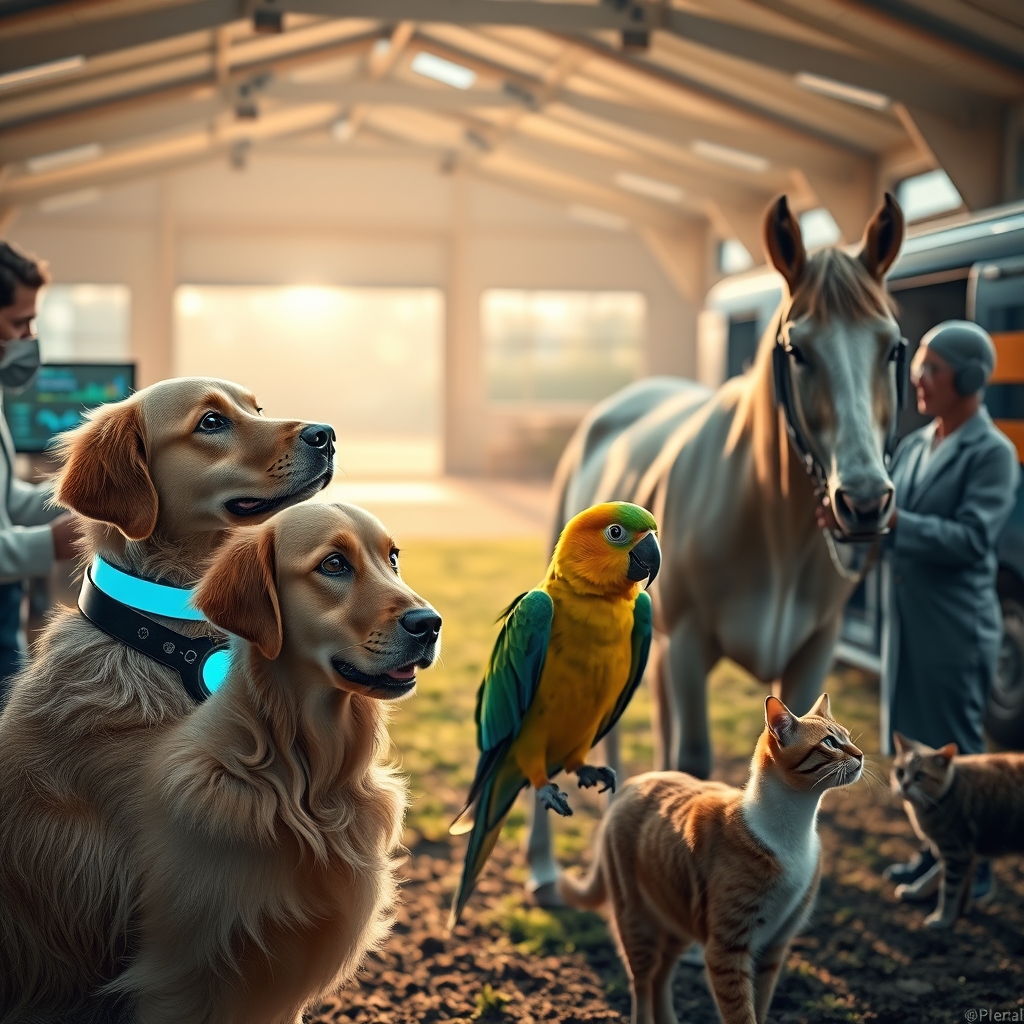
Imagine a world where animals don’t just survive—they thrive. Where every wag of a tail, every curious sniff, and every contented sigh is not just observed but understood. This is the promise of Animal Assisted Intervention and the precision care revolution, where science and compassion converge to redefine what it means to ensure well-being for our animal companions. No longer are we guessing what makes them happy; we’re decoding their language, one data point at a time.
The Science Behind the Bond: How Human-Animal Interaction Shapes Well-Being
The connection between humans and animals is ancient, but our understanding of it is evolving at an unprecedented pace. Human Animal Interaction is no longer just about companionship; it’s a dynamic field of study that explores how these relationships influence physical, emotional, and cognitive health—for both parties. Research shows that animals engaged in structured interactions, such as Animal Assisted Therapy, exhibit lower stress levels, improved social behaviors, and even enhanced recovery rates from illness or trauma.
But what makes these interactions truly transformative? It’s not just about presence; it’s about intention. Programs that incorporate Voluntary Participation Training ensure animals are active, willing participants rather than passive recipients of care. This shift from coercion to collaboration is at the heart of modern Animal Centered Care Models, where the animal’s preferences and comfort take center stage.
From Guesswork to Precision: The Role of Technology in Animal Welfare
Gone are the days when animal care relied solely on observation and intuition. Today, Precision Livestock Farming and Digital Health Tracking are revolutionizing how we monitor and respond to animal needs. Wearable sensors, AI-driven analytics, and real-time behavior monitoring allow caregivers to detect subtle changes in an animal’s health or mood before they become critical issues. For example, Animal Behavior Monitoring systems can identify stress signals in livestock, enabling farmers to adjust environments or routines to improve welfare outcomes.
This technological leap isn’t just for large-scale operations. Companion animals benefit from Non Pharmacological Interventions like Robotic Pet Therapy and Virtual Animal Interaction, which provide stimulation and comfort without overwhelming the animal. These tools are particularly valuable in settings where live animal interactions may not be feasible, such as hospitals or long-term care facilities.
Beyond the Basics: Individualized Care Protocols for Every Animal
No two animals are alike, and their care shouldn’t be either. Individualized Care Protocols are reshaping how we approach everything from veterinary treatment to daily enrichment. By tailoring nutrition, environmental design, and social interactions to an animal’s unique needs, caregivers can foster a sense of agency and well-being that generic approaches simply can’t match.
Take Cognitive Animal Enrichment, for instance. This approach goes beyond traditional toys and puzzles, incorporating problem-solving tasks that challenge an animal’s mind and encourage natural behaviors. Whether it’s a dog learning to navigate an obstacle course or a parrot mastering a new vocalization, these activities provide mental stimulation that is just as vital as physical exercise.
The Power of Choice: Voluntary Participation in Animal Care
One of the most significant shifts in modern animal welfare is the emphasis on Voluntary Participation Training. This method empowers animals to engage with their care on their own terms, reducing stress and fostering trust. For example, a horse might be trained to willingly participate in hoof trimming or a cat might choose to approach a veterinarian for a check-up, rather than being restrained. This approach not only improves welfare but also strengthens the bond between animals and their caregivers.
In zoos and sanctuaries, Experiential Animal Learning programs allow animals to explore new environments, interact with novel objects, and even make choices about their social groups. These experiences mimic the challenges and rewards of life in the wild, providing enrichment that is both meaningful and sustainable.
Assessing What Matters: The Future of Animal Welfare Metrics
How do we know if an animal is truly thriving? Traditional welfare assessments often focus on physical health, but modern Animal Welfare Assessment tools take a more holistic approach. Positive Welfare Indicators, such as play behavior, social engagement, and curiosity, are now recognized as critical markers of well-being. These indicators help caregivers move beyond merely preventing suffering to actively promoting happiness and fulfillment.
For livestock, Evidence Based Husbandry practices ensure that welfare standards are grounded in scientific research rather than tradition. This might include providing animals with choices in their diet, allowing them to express natural behaviors, or using Compassionate Handling Practices to minimize stress during routine procedures. The goal is to create environments where animals can live not just comfortably, but joyfully.
Bridging Gaps: Accessibility and Innovation in Veterinary Care
While technology and research are advancing rapidly, Veterinary Care Accessibility remains a critical challenge. Innovations like telemedicine, mobile clinics, and community-based health programs are making it easier for animals in underserved areas to receive the care they need. These efforts are particularly important for working animals, rescue pets, and wildlife, where access to traditional veterinary services may be limited.
At the same time, Sustainable Animal Management practices are ensuring that care is not only effective but also environmentally responsible. From eco-friendly farming techniques to cruelty-free enrichment materials, the focus is on creating systems that benefit animals, humans, and the planet alike.
The Path Forward: A Future Centered on Compassion and Data
The future of animal care is not just about doing more—it’s about doing better. By combining the emotional intelligence of Animal Assisted Intervention with the precision of data-driven care, we’re creating a world where every animal has the opportunity to live a life that is not just free from suffering, but rich in joy, purpose, and connection. Whether it’s through the gentle touch of a therapy dog, the hum of a robotic companion, or the quiet observation of a sensor tracking a cow’s well-being, the message is clear: we’re listening, and we’re learning.
As caregivers, researchers, and animal lovers, our role is to continue pushing the boundaries of what’s possible. To ask not just “Are they healthy?” but “Are they happy?” To embrace the tools and technologies that help us answer that question with confidence. And, most importantly, to remember that the language of well-being is one we’re only beginning to understand—but the conversation has never been more exciting.