Revolutionizing Animal Welfare: The Power of Animal Assisted Intervention and Evidence-Based Husbandry
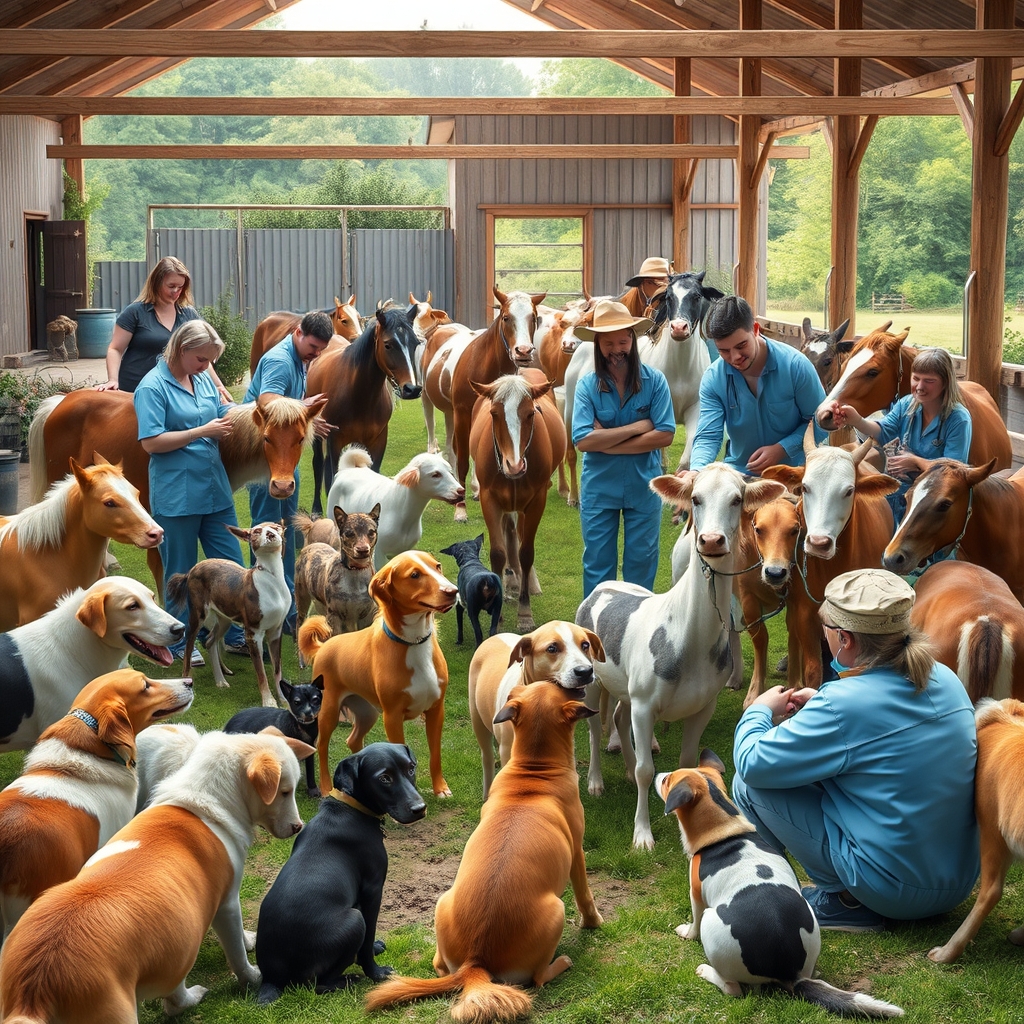
Imagine a world where animals live in harmony, their needs are met with compassion, and their well-being is measurable. This is not a distant dream but a reality being shaped by the convergence of Animal Assisted Intervention and Evidence-Based Husbandry. These two pillars are not only transforming animal welfare but also redefining the way we interact with our animal companions. In this article, we will delve into the symbiotic relationship between these two approaches and explore how they are paving the way for a future of enhanced animal well-being.
The Synergy of Animal Assisted Intervention and Evidence-Based Husbandry
Animal Assisted Intervention (AAI) and Evidence-Based Husbandry (EBH) are two powerful tools that, when used together, can create a comprehensive approach to animal welfare. AAI involves the use of animals to provide therapeutic, educational, or support services to humans, while EBH is a science-based approach to animal care that focuses on the individual needs of each animal. Together, they form a dynamic duo that can address the multifaceted needs of animals and humans alike.
By integrating AAI and EBH, we can create a more holistic and compassionate approach to animal care. For instance, AAI can provide emotional support and companionship to animals, while EBH ensures that their physical and mental needs are met. This synergy can lead to improved animal well-being, as evidenced by positive welfare indicators such as reduced stress levels, improved behavior, and enhanced quality of life.
Enhancing Animal Well-Being Through Human-Animal Interaction
Human-Animal Interaction (HAI) is a cornerstone of both AAI and EBH. HAI can have a profound impact on animal well-being, as it provides animals with a sense of purpose, companionship, and stimulation. Whether it’s through petting, playing, or simply observing, HAI can create a positive and enriching environment for animals.
In the context of AAI, HAI can provide therapeutic benefits to both animals and humans. For example, animals can provide comfort and companionship to humans, while humans can provide enrichment and stimulation to animals. This mutual interaction can foster a sense of trust and bonding between humans and animals, leading to improved well-being for both parties.
The Role of Robotic Pet Therapy in Animal Assisted Intervention
Robotic Pet Therapy (RPT) is an innovative extension of AAI that uses robots to mimic the behavior and appearance of animals. RPT can be particularly beneficial in situations where live animals are not available or practical. RPT can provide companionship, reduce stress, and improve mood, making it a valuable tool in the AAI toolkit.
RPT can also be used in conjunction with EBH to create a more comprehensive approach to animal care. For example, RPT can provide stimulation and enrichment for animals, while EBH ensures that their physical and mental needs are met. This combination can lead to improved animal well-being and a more harmonious human-animal relationship.
Precision Livestock Farming and Animal Behavior Monitoring
Precision Livestock Farming (PLF) is a data-driven approach to animal care that uses technology to monitor and manage animal behavior and health. PLF can provide valuable insights into animal behavior, health, and well-being, allowing for more targeted and effective interventions.
In the context of EBH, PLF can be used to monitor animal behavior and health, providing valuable data that can inform individualized care protocols. This data can be used to identify animals in need of additional care or intervention, ensuring that their needs are met in a timely and effective manner.
Individualized Care Protocols and Voluntary Participation Training
Individualized Care Protocols (ICP) are tailored approaches to animal care that take into account the unique needs and characteristics of each animal. ICP can be used in conjunction with EBH to create a more personalized and effective approach to animal care.
Voluntary Participation Training (VPT) is a training method that encourages animals to participate in their care and well-being. VPT can be used in conjunction with ICP to create a more proactive and engaged approach to animal care. By encouraging animals to participate in their own care, we can create a more positive and enriching environment for them.
Experiential Animal Learning and Sustainable Animal Management
Experiential Animal Learning (EAL) is a learning approach that emphasizes hands-on, practical experiences. EAL can be used in the context of AAI and EBH to create a more engaging and effective approach to animal care and education.
Sustainable Animal Management (SAM) is an approach to animal care that focuses on the long-term well-being and sustainability of animals. SAM can be used in conjunction with AAI and EBH to create a more comprehensive and holistic approach to animal care. By considering the long-term well-being of animals, we can create a more sustainable and compassionate approach to animal care.
Animal-Centered Care Models and Animal Welfare Assessment
Animal-Centered Care Models (ACC) are approaches to animal care that prioritize the needs and well-being of animals. ACC can be used in conjunction with AAI and EBH to create a more compassionate and effective approach to animal care.
Animal Welfare Assessment (AWA) is a systematic approach to evaluating animal well-being. AWA can be used in conjunction with ACC to create a more data-driven and effective approach to animal care. By systematically evaluating animal well-being, we can identify areas for improvement and create more targeted and effective interventions.
Cognitive Animal Enrichment and Non-Pharmacological Interventions
Cognitive Animal Enrichment (CAE) is an approach to animal care that focuses on stimulating and challenging the minds of animals. CAE can be used in conjunction with AAI and EBH to create a more engaging and effective approach to animal care.
Non-Pharmacological Interventions (NPI) are interventions that do not involve the use of drugs or medications. NPI can be used in conjunction with CAE to create a more holistic and compassionate approach to animal care. By focusing on the natural behaviors and needs of animals, we can create a more effective and sustainable approach to animal care.
Virtual Animal Interaction and Digital Health Tracking
Virtual Animal Interaction (VAI) is an approach to animal care that uses technology to create virtual interactions with animals. VAI can be used in conjunction with AAI and EBH to create a more engaging and effective approach to animal care.
Digital Health Tracking (DHT) is an approach to animal care that uses technology to monitor and track animal health and well-being. DHT can be used in conjunction with VAI to create a more comprehensive and data-driven approach to animal care. By using technology to monitor and track animal health and well-being, we can create a more targeted and effective approach to animal care.
Veterinary Care Accessibility and Compassionate Handling Practices
Veterinary Care Accessibility (VCA) is an approach to animal care that focuses on making veterinary care more accessible and available to animals. VCA can be used in conjunction with AAI and EBH to create a more comprehensive and compassionate approach to animal care.
Compassionate Handling Practices (CHP) are approaches to animal handling that prioritize the well-being and comfort of animals. CHP can be used in conjunction with VCA to create a more effective and sustainable approach to animal care. By prioritizing the well-being and comfort of animals, we can create a more effective and compassionate approach to animal care.
In conclusion, the integration of Animal Assisted Intervention and Evidence-Based Husbandry is revolutionizing animal welfare. By combining the therapeutic benefits of AAI with the science-based approach of EBH, we can create a more holistic, compassionate, and effective approach to animal care. This integration is not only improving animal well-being but also enhancing the human-animal bond. As we continue to explore and innovate in this field, we can look forward to a future where animals live in harmony, their needs are met with compassion, and their well-being is measurable. So, let’s embrace this revolution and create a world where animals thrive.