Bridging Hearts and Minds: How Animal Assisted Intervention and Evidence-Based Husbandry Are Shaping the Future of Compassionate Care

Imagine a world where every interaction between humans and animals is not just meaningful but transformative—where therapy dogs don’t just offer comfort but actively participate in healing, and where livestock thrive under care tailored to their unique needs. This vision is no longer a distant dream but a rapidly evolving reality, thanks to the powerful synergy of Animal Assisted Intervention and evidence-based husbandry. These approaches are redefining how we understand, measure, and enhance the well-being of animals, whether they’re companions, therapy partners, or livestock.
The Science Behind Animal Assisted Intervention: More Than Just Companionship
Animal Assisted Therapy (AAT) has long been celebrated for its emotional and psychological benefits, but its impact extends far beyond anecdotal success stories. Research now reveals that structured human-animal interaction can lower cortisol levels, reduce anxiety, and even improve cognitive function in humans. What’s often overlooked, however, is the reciprocal nature of these benefits. Animals engaged in AAT programs exhibit positive welfare indicators such as increased play behavior, reduced stress signals, and enhanced socialization—provided their participation is voluntary and their well-being is prioritized.
This shift toward voluntary participation training ensures that animals are active, willing participants rather than passive tools. Techniques like clicker training and positive reinforcement foster trust, allowing animals to engage in therapy sessions on their terms. The result? A more ethical, sustainable model of Animal Assisted Intervention that benefits both parties.
Evidence-Based Husbandry: Where Data Meets Compassion
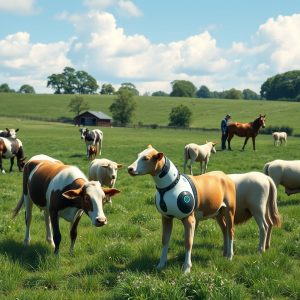
For decades, animal care relied heavily on tradition and intuition. Today, precision livestock farming and animal behavior monitoring are revolutionizing how we manage animal populations. Wearable sensors, AI-driven analytics, and real-time health tracking enable farmers and caregivers to detect subtle changes in behavior, appetite, or movement—often before clinical signs of distress appear. This proactive approach allows for individualized care protocols, ensuring that each animal’s unique needs are met.
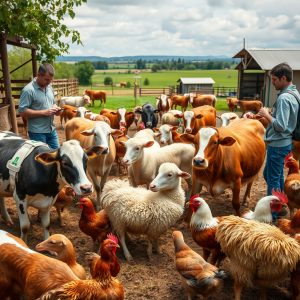
Take dairy farming, for example. Digital health tracking systems can monitor rumination patterns, activity levels, and even social dynamics within herds. When combined with compassionate handling practices, these tools create an environment where animals experience minimal stress and optimal welfare. The outcome isn’t just healthier livestock—it’s a more sustainable and ethical food system.
From Farms to Facilities: The Role of Technology in Animal Welfare
The integration of technology isn’t limited to agriculture. In zoos, sanctuaries, and even pet care facilities, cognitive animal enrichment tools—such as puzzle feeders, interactive toys, and virtual reality simulations—are being used to stimulate animals mentally and physically. These non-pharmacological interventions reduce boredom, prevent stereotypic behaviors, and promote naturalistic activities, all of which are key positive welfare indicators.
For animals in therapeutic settings, robotic pet therapy and virtual animal interaction are emerging as innovative solutions. These technologies provide the benefits of companionship without the logistical challenges of live animal care, making therapy more accessible in hospitals, nursing homes, and schools. While they can’t fully replace the warmth of a living creature, they offer a valuable alternative for environments where live animals aren’t feasible.
Building Animal-Centered Care Models: A Holistic Approach
The future of animal welfare lies in animal-centered care models that prioritize the individual over the system. This means moving beyond one-size-fits-all solutions and embracing sustainable animal management practices that adapt to each animal’s preferences, history, and health status. For instance, experiential animal learning programs allow animals to explore their environment, make choices, and engage in species-appropriate behaviors—all of which contribute to their overall well-being.
In veterinary medicine, veterinary care accessibility is also undergoing a transformation. Telemedicine, mobile clinics, and community outreach programs are breaking down barriers to care, ensuring that animals in underserved areas receive the attention they deserve. When combined with compassionate handling practices, these initiatives create a more inclusive and humane approach to animal health.
The Human Element: Why Compassion Still Matters
While technology and data play a crucial role, the heart of animal welfare remains human connection. Compassionate handling practices—such as low-stress restraint techniques, gentle touch, and patient communication—are foundational to building trust between animals and their caregivers. These practices aren’t just about reducing fear; they’re about fostering a relationship where animals feel safe, respected, and valued.
For those working in animal-assisted fields, this means continuous education and self-reflection. Understanding animal welfare assessment tools, such as the Five Domains Model, allows caregivers to evaluate well-being holistically, considering not just physical health but also mental and emotional states. It’s a reminder that true welfare isn’t just about absence of harm—it’s about the presence of positive experiences.
As we look to the future, the intersection of Animal Assisted Intervention and evidence-based husbandry offers a roadmap for creating a world where animals don’t just survive—they thrive. Whether through cutting-edge technology, individualized care, or the simple power of human-animal bonds, the possibilities are as vast as they are inspiring. The next step? Embracing these innovations with curiosity, compassion, and a commitment to putting animals first. After all, the most meaningful progress isn’t measured in data points or technological advancements, but in the moments of connection that remind us why this work matters in the first place.