Beyond Instinct: How Evidence-Based Husbandry and Animal Assisted Intervention Are Redefining Welfare and Well-Being
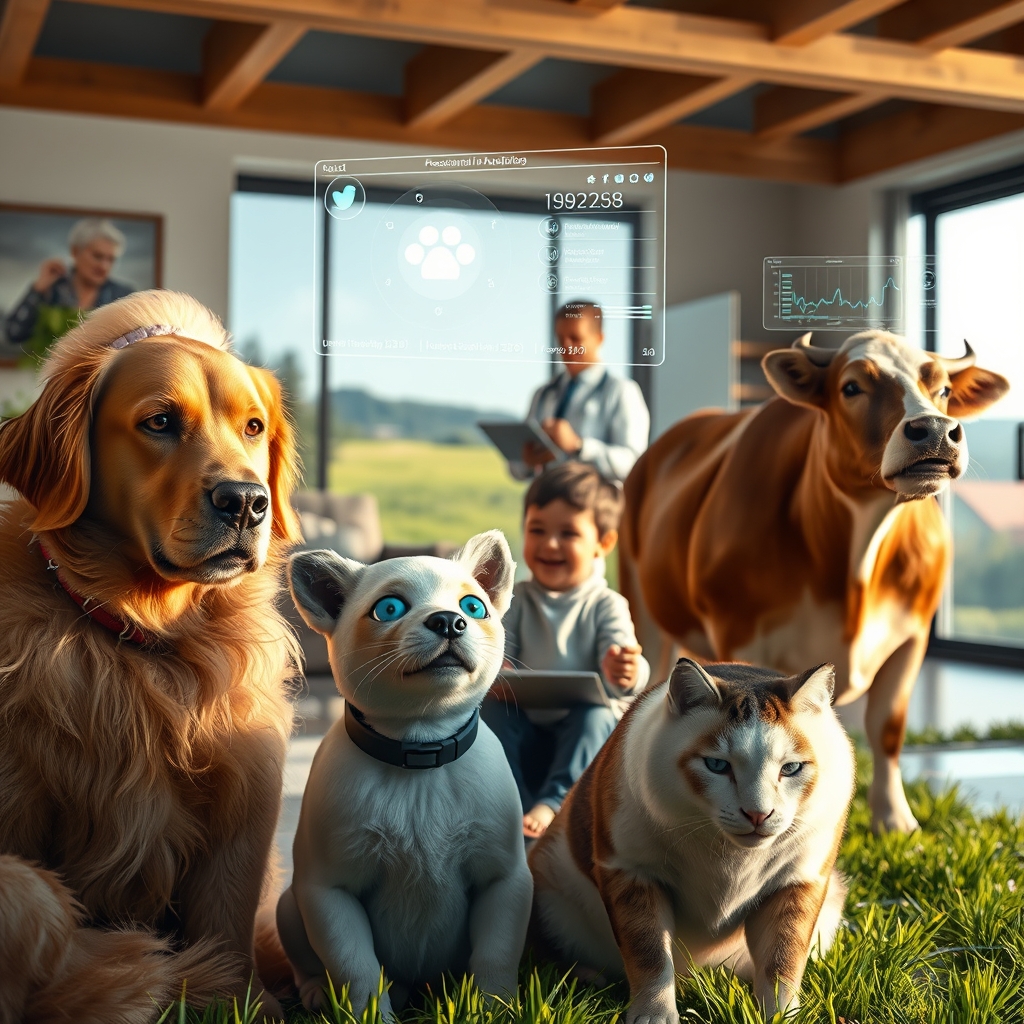
Imagine a world where every tail wag, ear flick, or gentle nudge from an animal isn’t just a moment of connection—it’s a data point in a larger story of well-being. This is the promise of Animal Assisted Intervention (AAI), a field where science, compassion, and technology converge to elevate the lives of animals and humans alike. No longer confined to anecdotal benefits, AAI is now grounded in rigorous research, precision tools, and a deep understanding of positive welfare indicators that go beyond basic care. From therapy dogs in hospitals to robotic companions in elder care, the ways we interact with animals are evolving—and so are the standards for their welfare.
The Science Behind Animal Assisted Therapy: More Than Just a Warm Presence
Animal Assisted Therapy (AAT) has long been celebrated for its emotional and psychological benefits, but recent advancements are uncovering its physiological impacts as well. Studies show that interactions with therapy animals can lower cortisol levels, reduce blood pressure, and even accelerate healing in clinical settings. Yet, the true breakthrough lies in how these programs are designed—not just for human outcomes, but with the animal’s well-being at the forefront.
Modern AAT programs are adopting evidence-based husbandry practices that prioritize the animal’s voluntary participation. Gone are the days of assuming animals enjoy endless human interaction. Today, protocols like voluntary participation training ensure that therapy animals can opt in or out of sessions, reducing stress and fostering a sense of agency. This shift reflects a broader movement toward animal-centered care models, where the focus is on creating environments that align with an animal’s natural behaviors and preferences.
Precision Livestock Farming: Where Technology Meets Compassion
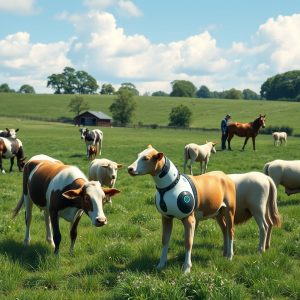
The agricultural sector is undergoing its own revolution, with precision livestock farming leading the charge. By leveraging sensors, AI, and real-time animal behavior monitoring, farmers can now detect subtle changes in an animal’s health or stress levels before they become critical. This proactive approach doesn’t just improve productivity—it transforms welfare by enabling individualized care protocols tailored to each animal’s needs.
For example, wearable devices track everything from heart rate variability to movement patterns, alerting caregivers to potential issues like lameness or illness. Meanwhile, cognitive animal enrichment programs use interactive feeders and puzzle toys to stimulate mental engagement, reducing boredom and stereotypical behaviors. These innovations are redefining what it means to provide humane care, proving that technology and compassion aren’t mutually exclusive.
Robotic Pet Therapy: A New Frontier in Human-Animal Interaction
Not all human-animal interaction requires a living, breathing companion. Robotic pet therapy is emerging as a viable alternative, particularly in settings where live animals may pose risks or logistical challenges. These lifelike robots, equipped with responsive behaviors and even AI-driven personalities, offer companionship to elderly individuals, children with autism, and patients in long-term care facilities.
While some may question the authenticity of these interactions, research suggests that robotic pets can elicit similar emotional responses to live animals, especially when designed with positive welfare indicators in mind. For instance, robots that respond to touch, voice, or movement can create a sense of reciprocity, fulfilling the innate human desire for connection. This innovation also opens doors for virtual animal interaction, where digital avatars or augmented reality experiences provide therapeutic benefits without the constraints of physical care.
Sustainable Animal Management: Balancing Welfare and Environmental Stewardship
As the global population grows, so does the demand for animal products—and with it, the need for sustainable animal management practices. The challenge lies in meeting these demands without compromising welfare. Enter compassionate handling practices and non-pharmacological interventions, which prioritize stress reduction and natural behaviors over efficiency at all costs.
For example, regenerative grazing systems allow livestock to roam freely, mimicking their natural habitats while improving soil health. Similarly, experiential animal learning programs teach animals to cooperate with medical procedures, reducing the need for restraints or sedation. These approaches not only enhance welfare but also contribute to a more sustainable food system, proving that ethical treatment and environmental responsibility can go hand in hand.
The Future of Veterinary Care: Accessibility, Innovation, and Individualized Attention
Veterinary care is no longer a one-size-fits-all service. Advances in digital health tracking and telemedicine are making it easier than ever to monitor an animal’s health remotely, bridging gaps in veterinary care accessibility. Wearable devices, for instance, can alert pet owners to early signs of illness, while AI-driven diagnostic tools help veterinarians make more accurate assessments.
Moreover, the rise of animal welfare assessment tools—such as standardized scoring systems for pain, stress, and quality of life—ensures that care is tailored to the individual. Whether it’s a therapy dog, a dairy cow, or a household pet, these innovations are democratizing access to high-quality care, ensuring that every animal has the opportunity to thrive.
From Data to Empathy: The Human Role in Animal Well-Being
While technology and science are driving progress, the heart of Animal Assisted Intervention and evidence-based husbandry remains human empathy. The most advanced tools in the world can’t replace the intuition and compassion of a caregiver who understands an animal’s unique needs. What they can do, however, is amplify our ability to listen—to the subtle cues, the unspoken preferences, and the quiet moments that define an animal’s quality of life.
As we move forward, the integration of data-driven insights and heartfelt care will continue to shape a future where animals aren’t just recipients of our kindness, but active participants in their own well-being. Whether through a therapy session, a high-tech farm, or a robotic companion, the goal remains the same: to create a world where every interaction is guided by respect, understanding, and a shared journey toward thriving.