The Unsung Noses: How Tracking Dogs Are the Eyes of Wildlife Conservationists
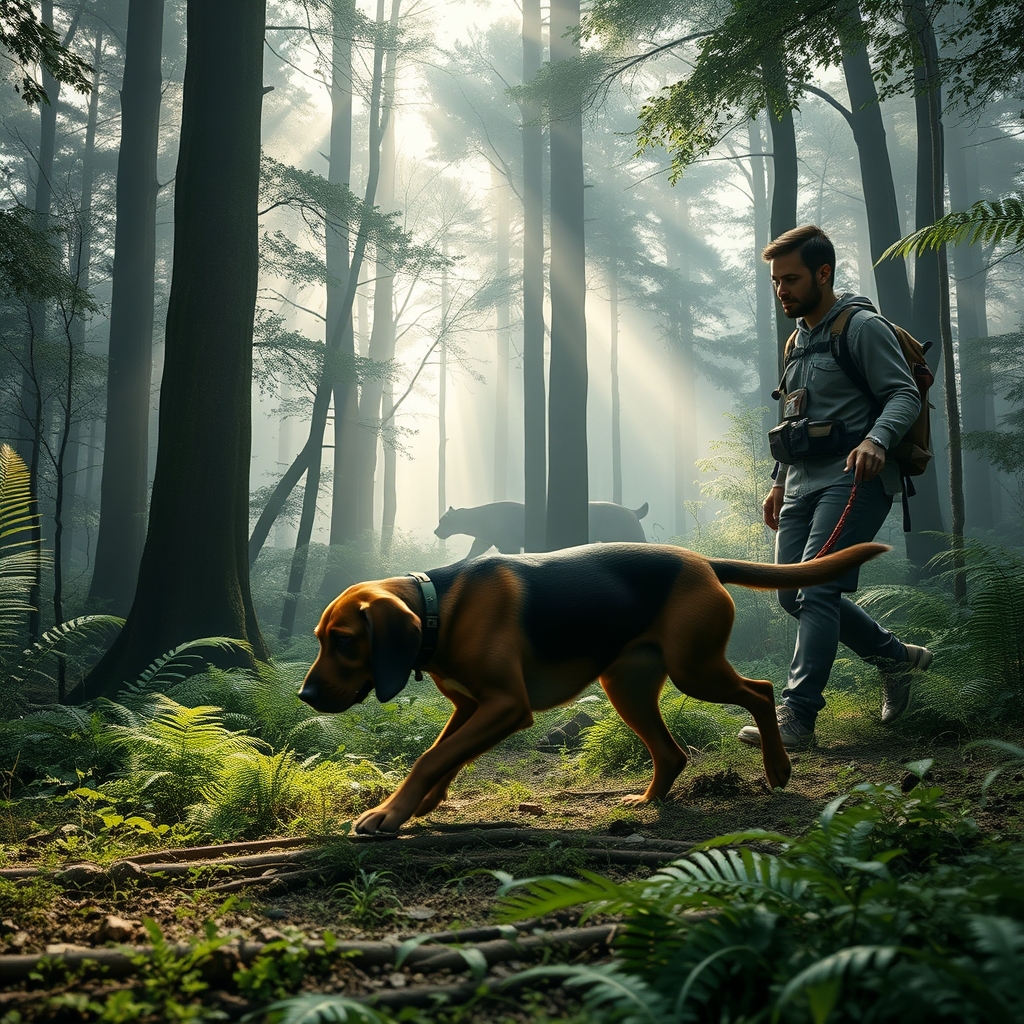
The morning mist clings to the dense undergrowth of the forest, a silent veil that softens the edges of the world. Among the towering trees and tangled vines, a figure moves with purpose—a handler, their breath visible in the cool air, followed closely by a dog whose nose is pressed to the earth. This is no ordinary walk in the woods. The dog, a Bloodhound with ears that sweep the ground like velvet curtains, is on a mission. Its quarry is not a lost hiker or a fleeing criminal, but something far more elusive: the scent of a creature that has slipped through human fingers for generations.
The Ancient Art of the Nose
Tracking dogs are not a modern invention. Their lineage stretches back thousands of years, to a time when humans first recognized the extraordinary power of a dog’s nose. While we rely on our eyes to navigate the world, dogs experience it through scent—a rich, complex tapestry that we can scarcely imagine. A single breath for a dog is like reading a novel; every molecule tells a story. For wildlife conservationists, this ability is nothing short of revolutionary.
Consider the Bloodhound, a breed so synonymous with tracking that its name has become a byword for relentless pursuit. With around 300 million scent receptors—compared to a human’s paltry 6 million—these dogs can detect a single molecule of odor in a trillion. It’s not just about strength, though; it’s about precision. A Bloodhound can distinguish between the scents of identical twins, follow a trail that’s days old, and even track across water. In the world of wildlife conservation, where the subjects are often rare, nocturnal, or masters of camouflage, such skills are invaluable.
The Invisible Threads of the Wild
In the vast, untamed landscapes where endangered species roam, traditional methods of tracking—camera traps, GPS collars, and human observation—have their limitations. Camera traps are stationary, GPS collars require capturing the animal first, and human trackers, no matter how skilled, are bound by the limits of their senses. Tracking dogs, however, are mobile, adaptable, and relentless. They can cover vast distances, navigate difficult terrain, and detect animals that would otherwise remain invisible to human eyes.
Take the case of the Amur leopard, one of the rarest big cats on Earth. In the remote forests of the Russian Far East, these elusive predators move like shadows, their spotted coats blending seamlessly into the dappled sunlight. Conservationists have turned to tracking dogs to locate their scat, which contains vital genetic information. By analyzing these samples, researchers can determine the number of individuals in an area, their health, and even their diet. The dogs, in essence, become the eyes of the scientists, revealing the hidden lives of creatures that would otherwise remain a mystery.
The Bond That Makes It Possible
Yet, the success of tracking dogs in wildlife conservation is not just about their extraordinary noses. It’s about the bond between dog and handler—a partnership built on trust, communication, and mutual respect. A tracking dog is not a machine; it’s a living, breathing creature with its own personality, quirks, and motivations. Some dogs are driven by play, others by food, and some simply by the sheer joy of the chase. Handlers must understand these motivations, tailoring their training to bring out the best in their canine partners.
Training a tracking dog for wildlife conservation is a delicate balance. The dog must be disciplined enough to ignore distractions—whether it’s the scent of a rabbit or the allure of a nearby stream—but also enthusiastic enough to stay engaged in the hunt. Positive reinforcement is key. A well-placed treat, a favorite toy, or even a hearty “good dog!” can make all the difference. Over time, the dog learns to associate the scent of its target—whether it’s the musk of a jaguar or the droppings of a pangolin—with reward, creating a powerful incentive to keep searching.
Technology Meets Instinct
In the modern age, tracking dogs are not working alone. They are part of a larger toolkit that includes cutting-edge technology. Drones equipped with thermal imaging can scout vast areas, identifying potential hotspots where animals might be hiding. GPS collars on the dogs themselves allow handlers to monitor their movements in real-time, ensuring they don’t stray too far or into dangerous territory. Even DNA analysis has become a crucial part of the process, with scat samples providing a wealth of information about the animals being tracked.
Yet, for all the advancements in technology, the dog’s nose remains irreplaceable. No machine can replicate the nuanced understanding of scent that a dog possesses. While a drone might spot a heat signature, it can’t tell you whether that signature belongs to a deer or a wolf. A tracking dog, on the other hand, can distinguish between the two with ease, and even identify individual animals within a species. This level of detail is crucial for conservationists, who need accurate data to make informed decisions about protecting endangered species.
The Challenges of the Wild
Working in the wild is not without its challenges. Tracking dogs must contend with harsh weather, difficult terrain, and the ever-present risk of encountering dangerous wildlife. In the African savannah, for example, a dog tracking a lion’s scent must be wary of the predator itself. In the dense jungles of Southeast Asia, venomous snakes and aggressive elephants pose real threats. Handlers must be constantly vigilant, ensuring their dogs stay safe while still allowing them the freedom to do their jobs.
There’s also the challenge of keeping the dogs motivated. Unlike search-and-rescue dogs, which often work in urban environments where the stakes are immediately clear, wildlife tracking dogs may go days without finding their target. Handlers must find ways to keep their dogs engaged, whether through play, training exercises, or simply the promise of a well-earned reward. It’s a delicate dance, one that requires patience, creativity, and a deep understanding of canine behavior.
The Ripple Effect of a Dog’s Work
The impact of tracking dogs extends far beyond the immediate task of locating an animal. Their work provides data that can shape conservation policies, influence land management decisions, and even change the way we think about wildlife. For example, tracking dogs have helped reveal the migratory patterns of elephants, showing how these gentle giants move across vast landscapes in search of food and water. This information has been used to create wildlife corridors, ensuring that elephants can travel safely without coming into conflict with human settlements.
In the fight against poaching, tracking dogs have become an invaluable tool. In Africa, dogs trained to detect ivory, rhino horn, and other illegal wildlife products have been deployed at airports and border crossings, intercepting smugglers before their goods can reach the black market. These dogs are not just tracking animals; they’re tracking the criminals who threaten them, playing a crucial role in the global effort to protect endangered species.
The forest falls silent as the Bloodhound lifts its head, ears perked, eyes locked onto its handler. A subtle shift in its posture, a wag of the tail—it’s found something. The handler moves forward, heart pounding with anticipation. What will they discover? A rare orchid, a hidden den, or perhaps the trail of an animal thought to be long gone? In that moment, the dog is more than a tracker; it’s a bridge between two worlds, a living testament to the power of partnership. The wild has its secrets, but with the help of these unsung heroes, we’re getting closer to uncovering them, one scent at a time.