
Decoding Animal Well-Being: How Modern Science and Compassionate Care Are Shaping the Future of Human-Animal Bonds
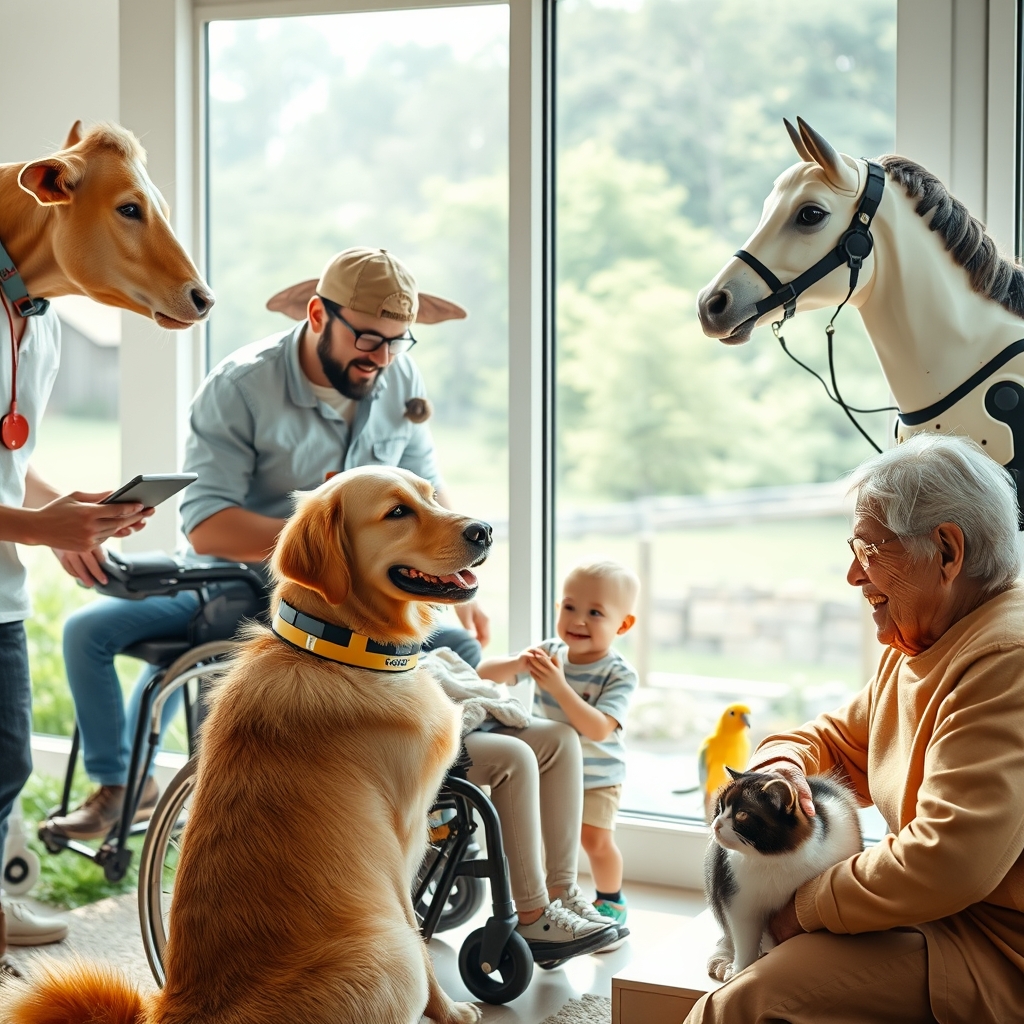
Imagine a world where every animal—from the family dog to livestock on a farm—receives care tailored not just to their species, but to their unique personality, preferences, and emotional needs. This isn’t a distant dream; it’s the reality being shaped by Animal Assisted Intervention (AAI) and evidence-based husbandry. These approaches are revolutionizing how we understand and enhance animal well-being, blending cutting-edge science with deep compassion to create a future where animals don’t just survive—they thrive.
The Science Behind Animal Well-Being: Moving Beyond Basic Needs
For decades, animal care focused primarily on meeting basic physiological needs: food, shelter, and medical attention. While these remain foundational, modern research reveals that true well-being extends far beyond these necessities. Positive welfare indicators, such as play behavior, social interactions, and voluntary engagement, are now recognized as critical markers of an animal’s quality of life. Studies show that animals experiencing positive emotions—like joy, curiosity, or contentment—are healthier, more resilient, and even live longer.
This shift in perspective has given rise to animal-centered care models, where the focus is on understanding and responding to the individual needs of each animal. For example, precision livestock farming uses sensors and data analytics to monitor health and behavior in real-time, allowing farmers to detect stress or illness before it becomes visible. Similarly, animal behavior monitoring in zoos and sanctuaries helps caregivers identify subtle changes in mood or activity levels, enabling proactive adjustments to their environment or routines.
Human-Animal Interaction: The Heart of Modern Animal Care
The bond between humans and animals is one of the most powerful forces driving advancements in animal well-being. Animal Assisted Therapy (AAT) has long been celebrated for its benefits to human mental health, but its impact on animals is equally profound. When animals participate voluntarily in therapeutic interactions—whether with children, veterans, or hospital patients—they often exhibit signs of reduced stress and increased engagement. This mutual benefit underscores the importance of compassionate handling practices, which prioritize the animal’s comfort and autonomy.
However, not all interactions are created equal. Voluntary participation training ensures that animals have the choice to engage or disengage, preventing stress and fostering trust. For instance, dogs trained for therapy work are given the freedom to approach or retreat from humans, creating a positive experience for both parties. This approach is a cornerstone of experiential animal learning, where animals are active participants in their own care and enrichment.
Innovative Interventions: From Robotic Pets to Virtual Companions
As technology advances, so do the tools available to enhance animal well-being. Robotic pet therapy is emerging as a promising solution for individuals who may not be able to care for a live animal but still benefit from companionship. These lifelike robots can mimic the behaviors of real pets, providing comfort and stimulation without the logistical challenges of traditional pet ownership. For animals, digital health tracking devices—such as GPS collars or wearable monitors—offer unprecedented insights into their physical and emotional states, enabling caregivers to tailor care with precision.
Another exciting frontier is virtual animal interaction, which uses augmented or virtual reality to create immersive experiences for animals. For example, zoos are experimenting with VR environments that simulate natural habitats, allowing animals to explore and engage with their surroundings in new ways. These innovations are part of a broader movement toward non-pharmacological interventions, which seek to improve well-being without relying solely on medication.
Sustainable and Ethical: The Future of Animal Management
Sustainability is no longer just an environmental concern—it’s a critical component of animal welfare. Sustainable animal management practices aim to balance the needs of animals with the ecological and economic realities of their care. For example, individualized care protocols in livestock farming reduce resource waste by ensuring each animal receives exactly what it needs, no more and no less. This not only improves welfare but also enhances efficiency and reduces environmental impact.
Ethical considerations are also shaping the future of animal care. Cognitive animal enrichment programs, for instance, challenge animals mentally and emotionally, preventing boredom and promoting natural behaviors. Whether it’s puzzle feeders for dogs or complex foraging tasks for primates, these activities are designed to stimulate the mind and foster a sense of accomplishment. Similarly, animal welfare assessment tools—such as the Five Domains Model—provide a framework for evaluating well-being holistically, considering physical health, mental state, and environmental factors.
Accessibility and Inclusivity: Ensuring Care for All Animals
One of the most significant challenges in animal care is ensuring that advancements in well-being are accessible to all, not just those in affluent or urban settings. Veterinary care accessibility is a growing priority, with mobile clinics and telemedicine services bringing expert care to underserved communities. For livestock and working animals, compassionate handling practices are being integrated into training programs worldwide, ensuring that even animals in remote or resource-limited areas receive humane treatment.
Technology is playing a key role in bridging these gaps. Digital health tracking and precision livestock farming tools are becoming more affordable and user-friendly, empowering small-scale farmers and pet owners to provide high-quality care. Meanwhile, virtual animal interaction platforms are making it possible for people to connect with animals in ways that were once unimaginable, fostering empathy and understanding across cultures and geographies.
The Path Forward: A Future Built on Compassion and Innovation
The journey toward optimal animal well-being is an ongoing one, driven by a combination of scientific discovery, technological innovation, and deep empathy. By embracing evidence-based husbandry and animal-assisted interventions, we can create environments where animals are not just cared for, but truly understood. Whether through the use of wearable tech, robotic companions, or sustainable farming practices, the goal remains the same: to ensure that every animal has the opportunity to live a life filled with joy, purpose, and dignity.
As we look to the future, the possibilities are endless. From cognitive enrichment programs that challenge the mind to individualized care protocols that honor each animal’s uniqueness, the tools and knowledge at our disposal are more powerful than ever. The key lies in our willingness to listen—to the animals themselves, to the science, and to the quiet voice of compassion that reminds us why this work matters. Together, we can build a world where the well-being of animals is not just a priority, but a shared commitment to a kinder, more connected future.