
The Art and Science of Animal Well-Being: How Modern Interventions and Precision Care Are Crafting a New Era of Compassionate Husbandry
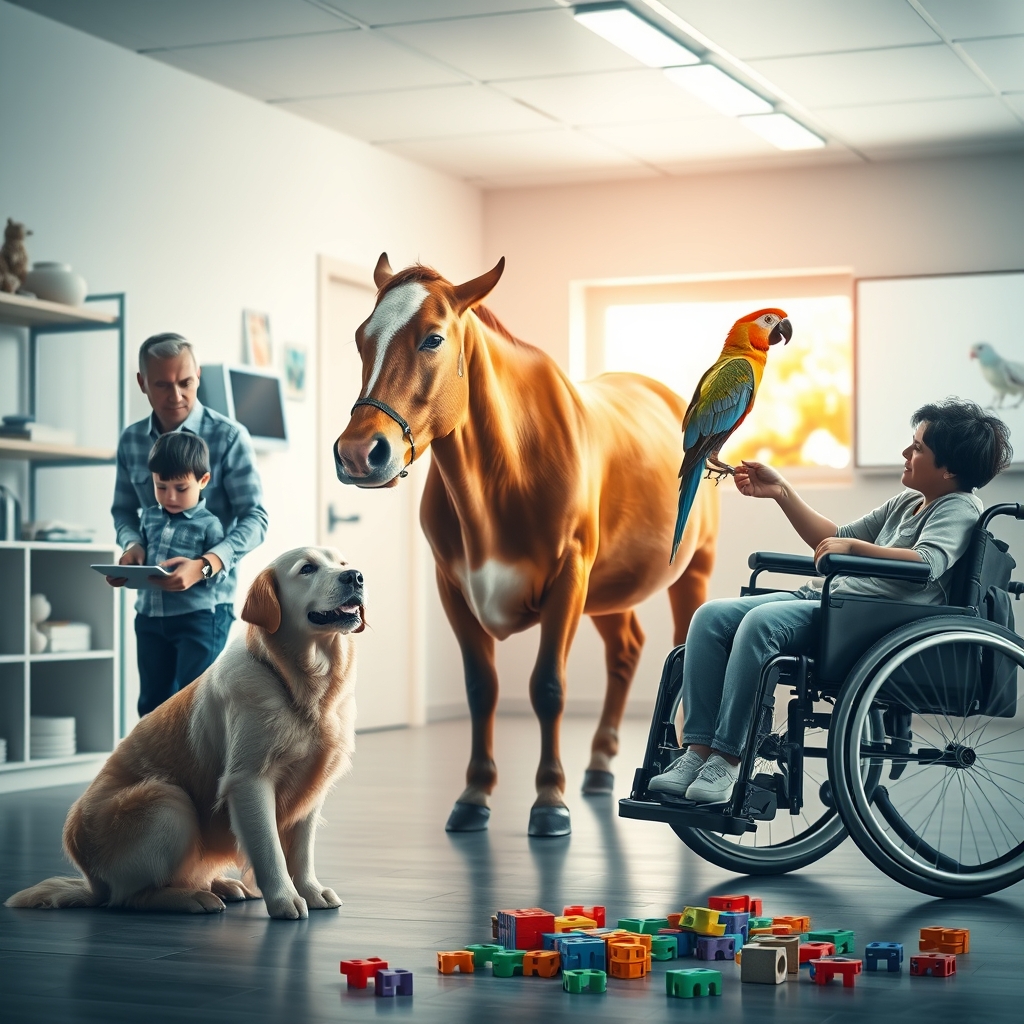
Imagine a world where every animal, from the family dog to livestock in vast pastures, thrives not just physically but emotionally and mentally. This vision is no longer a distant dream but a tangible reality, thanks to the transformative power of Animal Assisted Intervention and cutting-edge advancements in animal care. As our understanding of animal welfare deepens, so does our ability to create environments where animals don’t just survive—they flourish. This shift is redefining the very essence of human-animal relationships, blending compassion with science to foster a future where well-being is at the heart of every interaction.
The Evolution of Animal Care: From Tradition to Evidence-Based Husbandry
For centuries, animal care was rooted in tradition, often relying on anecdotal practices passed down through generations. While these methods held value, they lacked the precision and scientific validation needed to address the nuanced needs of individual animals. Enter Evidence-Based Husbandry, a paradigm shift that leverages data, research, and technology to inform care practices. This approach ensures that decisions are grounded in science, leading to better outcomes for animals across all settings—from farms to therapy centers.
One of the most compelling aspects of evidence-based husbandry is its focus on Positive Welfare Indicators. These metrics go beyond basic health assessments, delving into behaviors, emotional states, and environmental interactions that signal true well-being. For example, a cow that voluntarily approaches a handler or a dog that engages in playful behavior are displaying signs of positive welfare, which are just as critical as physical health markers like weight or coat condition.
This evolution in care is not just about improving individual lives; it’s about transforming entire systems. Precision Livestock Farming, for instance, uses sensors and AI to monitor animals in real-time, allowing farmers to detect stress, illness, or discomfort before they become serious issues. This proactive approach minimizes suffering and maximizes productivity, proving that compassion and efficiency can go hand in hand.
The Healing Power of Human-Animal Interaction
The bond between humans and animals has long been recognized for its therapeutic benefits, but modern science is now quantifying its impact. Animal Assisted Therapy is a prime example of how structured interactions can enhance mental and physical health in humans while simultaneously improving the welfare of the animals involved. Whether it’s a therapy dog visiting a hospital or a horse aiding in rehabilitation, these interactions are carefully designed to be mutually beneficial.
But what makes these interactions truly transformative is the emphasis on Voluntary Participation Training. Unlike traditional training methods that rely on coercion, this approach empowers animals to choose whether to engage, fostering trust and reducing stress. For instance, a therapy dog trained using voluntary participation is more likely to enjoy its work, leading to more effective sessions and a happier, healthier animal.
Beyond traditional therapy, innovations like Robotic Pet Therapy and Virtual Animal Interaction are expanding the possibilities of human-animal bonds. These technologies offer companionship and therapeutic benefits to individuals who may not have access to live animals, such as those in long-term care facilities or remote areas. While they don’t replace the irreplaceable connection with a living animal, they provide a valuable alternative that can enhance quality of life.
Decoding Animal Behavior: The Key to Individualized Care
Every animal is unique, with its own personality, preferences, and needs. Recognizing this individuality is at the core of Animal Behavior Monitoring, a field that uses technology and observation to understand and respond to the subtle cues animals provide. From wearable devices that track activity levels to AI-powered cameras that analyze facial expressions, these tools are revolutionizing how we interpret and respond to animal behavior.
This level of insight enables the creation of Individualized Care Protocols, tailored plans that address the specific needs of each animal. For example, a senior dog with arthritis might benefit from a combination of joint supplements, gentle exercise routines, and cognitive enrichment activities designed to keep its mind sharp. Similarly, a dairy cow in a precision farming system might receive customized nutrition and environmental adjustments based on real-time data, ensuring optimal comfort and productivity.
But individualized care isn’t just about technology—it’s also about empathy. Compassionate Handling Practices play a crucial role in building trust between animals and their caregivers. Techniques like low-stress livestock handling or positive reinforcement training create environments where animals feel safe and secure, reducing fear and anxiety. When animals trust their caregivers, they’re more likely to exhibit natural behaviors, engage in social interactions, and respond positively to care.
Enrichment and Beyond: Nurturing the Whole Animal
True well-being goes beyond meeting an animal’s basic needs—it’s about nurturing their physical, emotional, and cognitive health. Cognitive Animal Enrichment is a growing field that focuses on stimulating an animal’s mind through puzzles, games, and novel experiences. For example, a zoo might introduce scent trails or hidden food puzzles to encourage natural foraging behaviors in big cats, while a pet owner might use interactive toys to keep their dog mentally engaged.
These enrichment activities are not just fun—they’re essential for preventing boredom, reducing stress, and promoting overall health. Research has shown that animals provided with cognitive enrichment exhibit fewer behavioral issues, better problem-solving skills, and even improved immune function. This holistic approach to care is a cornerstone of Animal-Centered Care Models, which prioritize the animal’s perspective in every decision.
Innovations like Non-Pharmacological Interventions are also gaining traction, offering drug-free solutions to common challenges. For instance, music therapy has been shown to reduce stress in shelter dogs, while aromatherapy can calm anxious horses. These interventions are particularly valuable in settings where traditional medications may not be practical or desirable, such as in wildlife rehabilitation or organic farming.
The Future of Animal Welfare: Technology Meets Compassion
As technology continues to advance, so too does our ability to care for animals in ways we once thought impossible. Digital Health Tracking is one such innovation, allowing pet owners and caregivers to monitor everything from heart rate to sleep patterns in real-time. These tools provide early warnings of potential health issues, enabling proactive care that can extend an animal’s lifespan and improve its quality of life.
But technology is only part of the equation. The future of animal welfare lies in the seamless integration of innovation and compassion. Sustainable Animal Management practices ensure that care is not only effective but also environmentally responsible, reducing the carbon footprint of animal husbandry while maintaining high welfare standards. Similarly, Veterinary Care Accessibility initiatives are breaking down barriers to care, ensuring that all animals, regardless of their owner’s financial situation, have access to the medical attention they need.
Perhaps most importantly, the future of animal welfare is about shifting our mindset. It’s about recognizing that animals are not just commodities or companions—they are sentient beings with complex emotional lives. By embracing Experiential Animal Learning and Animal Welfare Assessment tools, we can create environments where animals are not just cared for but truly understood. This shift is not just a moral imperative; it’s a practical one, as happier, healthier animals lead to stronger bonds, more productive systems, and a more compassionate world.
The journey toward optimal animal well-being is ongoing, but with each scientific breakthrough and compassionate innovation, we move closer to a future where every animal has the opportunity to thrive. Whether through the precision of data-driven care or the warmth of a human-animal bond, the tools to create this future are already in our hands. The question is no longer whether we can achieve this vision, but how quickly we can make it a reality for every animal, in every corner of the world.