Beyond Companionship: How Modern Science is Redefining Animal Welfare and Human-Animal Bonds
For centuries, the relationship between humans and animals has been defined by utility, companionship, and, at times, exploitation. However, as our understanding of animal cognition, emotion, and welfare deepens, a paradigm shift is underway. The fields of Animal Assisted Intervention (AAI), Evidence-Based Husbandry, and Precision Livestock Farming are not only transforming how we care for animals but also redefining the very nature of human-animal interactions. This evolution is rooted in science, compassion, and a growing recognition that animals are sentient beings deserving of dignity, choice, and individualized care.
The Rise of Animal-Centered Care Models
Traditional animal care often prioritized efficiency and human convenience over the well-being of the animals themselves. Today, Animal-Centered Care Models are challenging this approach by placing the animal’s physical, emotional, and psychological needs at the forefront. These models emphasize Positive Welfare Indicators—measurable signs that an animal is thriving, such as play behavior, social engagement, and voluntary participation in activities. Unlike older welfare assessments that focused solely on the absence of suffering, these indicators highlight the presence of positive experiences, ensuring animals lead fulfilling lives.
One of the most groundbreaking advancements in this space is Voluntary Participation Training, a method that allows animals to choose whether to engage in interactions or tasks. For example, in zoos and sanctuaries, animals are trained to voluntarily present body parts for medical examinations, reducing stress and eliminating the need for restraint. This approach not only improves welfare but also strengthens the bond between animals and their caregivers, fostering trust and mutual respect.
From Therapy to Technology: The Expanding Role of Animals in Human Health
The therapeutic benefits of human-animal interactions have long been recognized, but modern science is taking this concept to new heights. Animal Assisted Therapy (AAT) is now a well-established field, with studies demonstrating its efficacy in reducing anxiety, lowering blood pressure, and even aiding in recovery from trauma. However, the scope of AAT is expanding beyond traditional settings. Programs incorporating Experiential Animal Learning are being integrated into schools, prisons, and rehabilitation centers, where animals serve as teachers, motivators, and emotional support partners.
Yet, not all individuals have access to live animals for therapy or companionship. This is where Robotic Pet Therapy and Virtual Animal Interaction are stepping in to bridge the gap. Robotic pets, designed to mimic the behavior of real animals, have shown promise in providing comfort to elderly individuals with dementia, offering a low-maintenance alternative that still delivers emotional benefits. Similarly, virtual reality experiences that simulate interactions with animals are being explored as tools for stress relief and mental health support, particularly in urban environments where access to nature is limited.
The Promise of Precision Livestock Farming
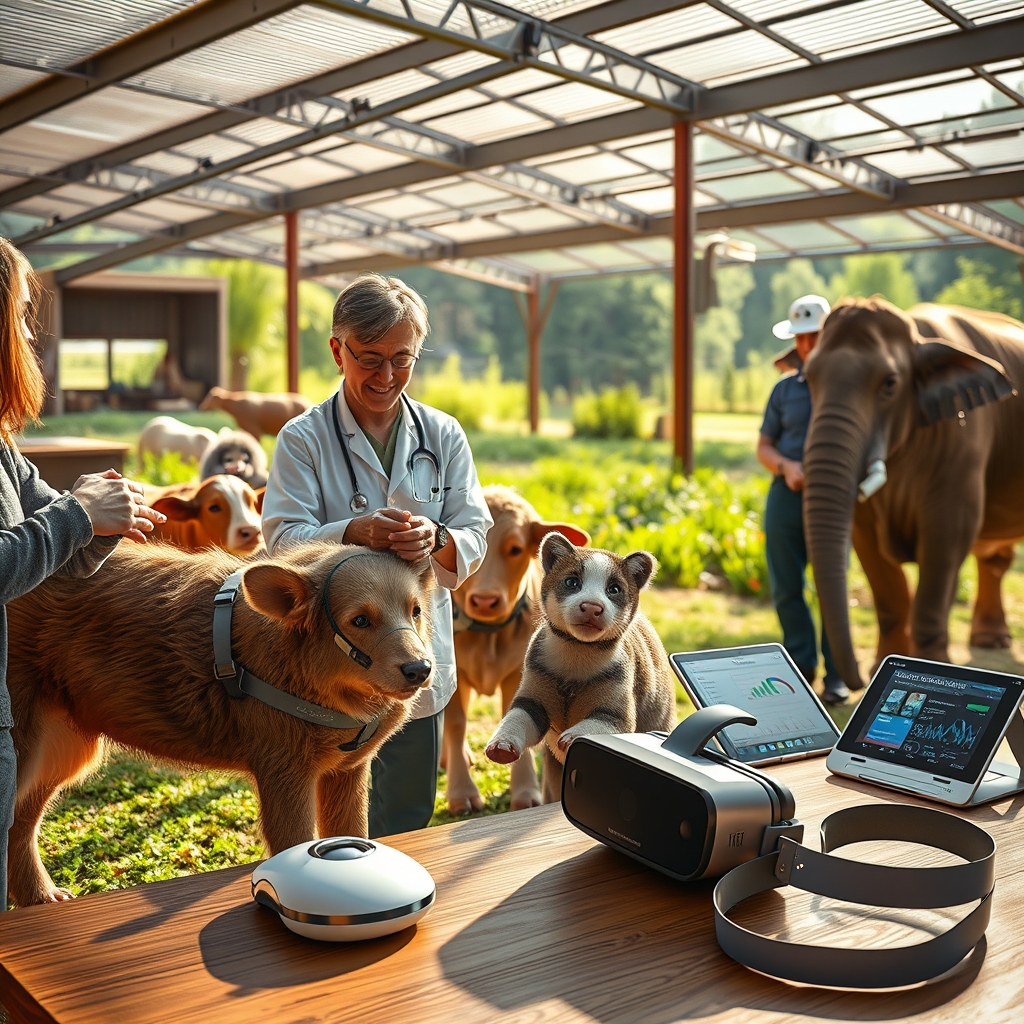
In agriculture, the welfare of livestock has often been a contentious issue, with critics arguing that industrial farming prioritizes productivity over animal well-being. Precision Livestock Farming (PLF) is changing this narrative by leveraging technology to monitor and improve the lives of farm animals. Through Animal Behavior Monitoring systems, sensors, and AI-driven analytics, farmers can now detect early signs of illness, stress, or discomfort in individual animals. This allows for Individualized Care Protocols, where each animal receives tailored nutrition, medical attention, and environmental adjustments based on its unique needs.
For instance, wearable devices can track an animal’s movement, heart rate, and even vocalizations, providing real-time data that alerts farmers to potential issues. This not only enhances welfare but also improves efficiency, as healthier animals are more productive. Moreover, PLF aligns with Sustainable Animal Management practices, reducing the environmental impact of farming while ensuring ethical treatment of animals.
Enriching Lives Through Cognitive and Non-Pharmacological Interventions
Animals, like humans, thrive when their minds are engaged. Cognitive Animal Enrichment involves providing animals with puzzles, problem-solving tasks, and novel experiences that stimulate their intellect and prevent boredom. In zoos, for example, enrichment activities might include hiding food in complex containers or introducing new scents and textures into an animal’s enclosure. These interventions are not just about entertainment; they are essential for maintaining mental health and preventing stereotypic behaviors, such as pacing or self-harm, which often arise from stress or lack of stimulation.
Similarly, Non-Pharmacological Interventions are gaining traction as alternatives to traditional medical treatments. Techniques such as massage, acupuncture, and aromatherapy are being used to manage pain, reduce anxiety, and improve overall well-being in animals. These approaches are particularly valuable for aging animals or those with chronic conditions, offering a gentler, more holistic path to healing.
The Future of Human-Animal Interactions
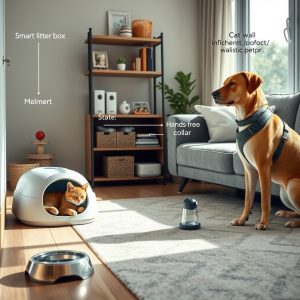
As technology and science continue to advance, the possibilities for enhancing animal welfare and human-animal bonds are limitless. Digital Health Tracking for pets, for example, is becoming increasingly sophisticated, with apps and devices that allow owners to monitor their pet’s activity levels, diet, and even emotional state. Meanwhile, initiatives to improve Veterinary Care Accessibility are ensuring that animals in underserved communities receive the medical attention they need, regardless of their owner’s financial situation.
At the heart of these advancements is a fundamental shift in how we perceive animals—not as resources or property, but as partners in a shared journey. Compassionate Handling Practices, which prioritize gentle, respectful interactions, are becoming the standard in veterinary clinics, farms, and research facilities. These practices not only improve animal welfare but also enhance the quality of care provided by professionals, creating a ripple effect of kindness and empathy.
The journey toward a more compassionate and scientifically informed approach to animal care is far from over. Yet, with each breakthrough in Animal Welfare Assessment, each innovation in Human-Animal Interaction, and each step toward Sustainable Animal Management, we move closer to a world where animals are not just cared for, but truly understood. The bond between humans and animals is one of the oldest and most profound relationships on Earth, and as we continue to redefine it, we have the opportunity to create a future where both species thrive together.