The Silent Symphony: How Tracking Dogs Harmonize Technology and Instinct in the Wild
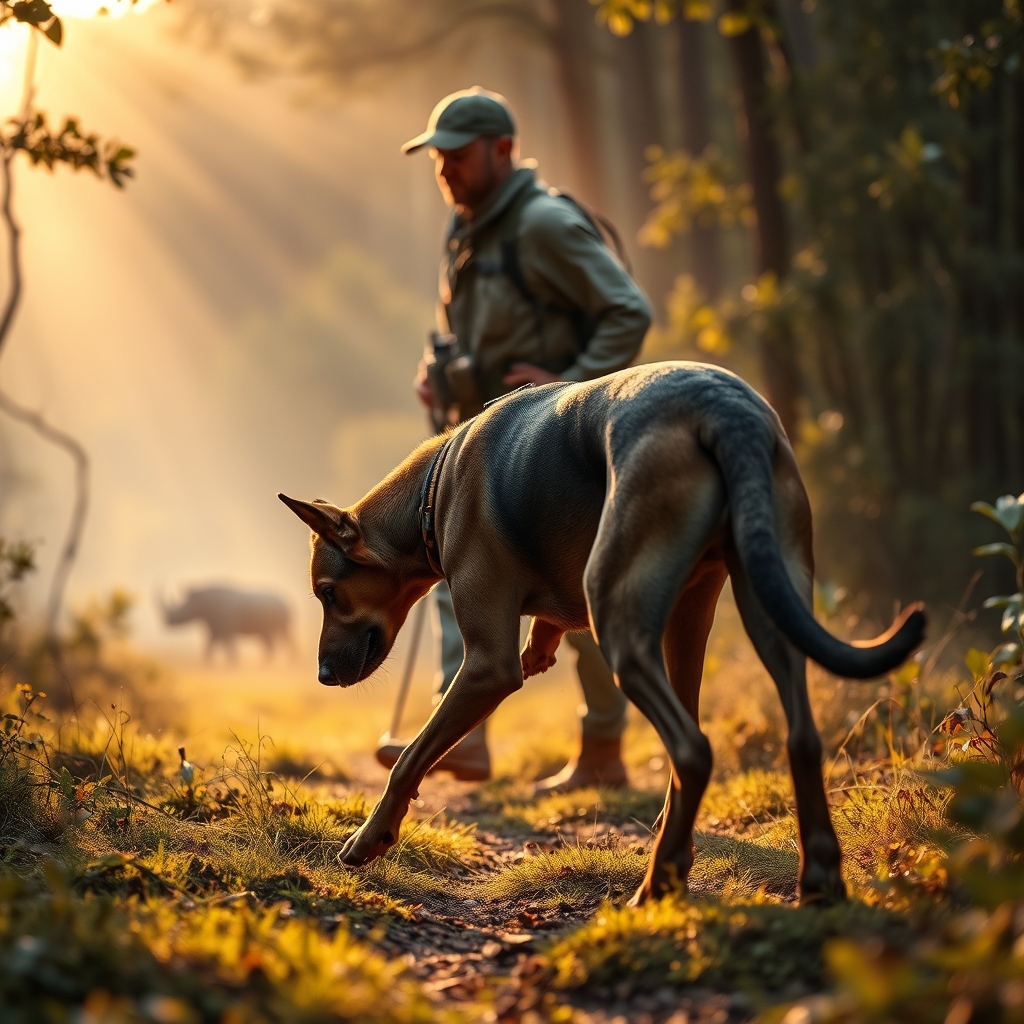
The golden light of dawn spills across the dense undergrowth, painting the forest floor in hues of amber and emerald. A gentle breeze stirs the leaves, carrying with it the faintest whispers of the wild—scents that tell stories of creatures moving through the shadows, unseen but not unheard. Among the rustling foliage, a pair of keen eyes scans the terrain, not with the urgency of a predator, but with the quiet determination of a guardian. This is no ordinary observer; it is a tracking dog, a living bridge between the ancient instincts of the wild and the cutting-edge technology of modern conservation.
The Nose That Knows No Bounds
Tracking dogs, particularly breeds like the Bloodhound, the Belgian Malinois, and the German Shepherd, possess an olfactory prowess that borders on the supernatural. Their noses, equipped with up to 300 million scent receptors—compared to a human’s mere 6 million—are finely tuned instruments capable of detecting odors at concentrations as low as one part per trillion. This extraordinary ability transforms them into living, breathing sensors, capable of unraveling the complex tapestry of scents that define the natural world. Whether it’s the musky trail of a jaguar in the Amazon or the faintest trace of a pangolin’s scales in the African savannah, these dogs follow the invisible threads that connect all living things.
But what makes these dogs truly remarkable is not just their ability to detect scents, but their capacity to interpret them. A tracking dog doesn’t merely follow a smell; it reads a story. The intensity of the scent reveals the freshness of the trail, the direction of the wind hints at the animal’s path, and the subtlest shifts in odor can indicate changes in behavior—whether the creature was running, resting, or even injured. This nuanced understanding of scent is what allows tracking dogs to excel in roles that range from wildlife conservation to search and rescue, where every second counts and every clue matters.
Where Instinct Meets Innovation
The relationship between tracking dogs and their human handlers is one of deep trust and mutual respect. Handlers spend years refining their skills, learning to read the subtle cues their canine partners provide—a flick of the ear, a shift in posture, or the intensity of a bark. This bond is the foundation upon which modern wildlife conservation is built, but it is no longer limited to the raw instincts of dog and handler alone. Today, technology is playing an increasingly vital role in amplifying the capabilities of these remarkable animals.
GPS collars, for instance, allow handlers to monitor their dogs’ movements in real-time, ensuring their safety in rugged or unfamiliar terrain. Drones equipped with thermal imaging cameras can scout ahead, identifying potential hazards or locating animals that may be out of the dog’s immediate range. Meanwhile, portable DNA analysis kits enable researchers to collect genetic samples from scat or hair left behind by elusive species, providing invaluable data on population health, genetic diversity, and even the presence of diseases. These tools do not replace the dog’s instincts; rather, they enhance them, creating a synergy that is greater than the sum of its parts.
The Guardians of the Wild
In the fight to protect endangered species, tracking dogs are proving to be indispensable allies. Take, for example, the plight of the African rhinoceros, a species decimated by poaching for its horn. In reserves across South Africa, tracking dogs are deployed to patrol the boundaries of protected areas, their keen noses detecting the scent of intruders long before they can reach their targets. These dogs are not just trackers; they are deterrents, their presence alone enough to make poachers think twice before venturing into protected zones. Similarly, in the dense forests of Southeast Asia, tracking dogs are used to locate and monitor the critically endangered Sumatran tiger, a species so elusive that it often evades even the most sophisticated camera traps.
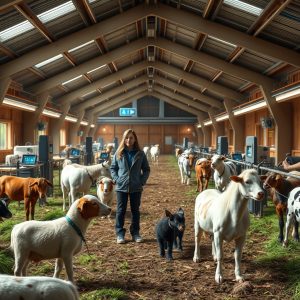
But the role of tracking dogs extends beyond mere detection. In some cases, they are actively involved in the rehabilitation of injured or orphaned wildlife. At sanctuaries and rescue centers, dogs trained in scent detection help caretakers monitor the health and behavior of animals in their care, alerting them to signs of stress, illness, or injury. This early intervention can mean the difference between life and death for creatures already teetering on the brink of extinction. Moreover, by tracking the movements of released animals, these dogs provide researchers with critical insights into how well they are adapting to the wild, ensuring that conservation efforts are as effective as possible.
The Future of the Trail
As the challenges facing wildlife grow ever more complex, so too must the solutions we employ to protect them. Tracking dogs represent a unique fusion of tradition and innovation, a testament to the power of combining ancient instincts with modern technology. Yet, their work is far from done. With climate change altering habitats, human encroachment fragmenting ecosystems, and poaching remaining a persistent threat, the need for these canine conservationists has never been greater.
In the years to come, we can expect to see tracking dogs playing an even more integral role in wildlife conservation. Advances in artificial intelligence and machine learning may soon allow handlers to analyze scent data in real-time, predicting animal movements with unprecedented accuracy. Meanwhile, the development of non-invasive tracking methods, such as scent-detection drones, could revolutionize the way we monitor wildlife, reducing the need for physical capture and minimizing stress on the animals. These innovations, when paired with the unparalleled abilities of tracking dogs, have the potential to transform our understanding of the natural world and our place within it.
The wilderness is a symphony of scents, sounds, and movements, a delicate balance of life that has evolved over millennia. Tracking dogs, with their extraordinary noses and unwavering dedication, are the conductors of this symphony, guiding us through the complexities of the wild and helping us to hear its silent melodies. In their paws and in their hearts, they carry the hope of a future where humans and wildlife can coexist, where the secrets of the wild are not lost but preserved, and where the bond between man and dog continues to inspire and protect the natural world for generations to come.