
The Compassionate Code: How Animal Assisted Intervention and Evidence-Based Husbandry Are Unlocking the Secrets of Positive Animal Welfare
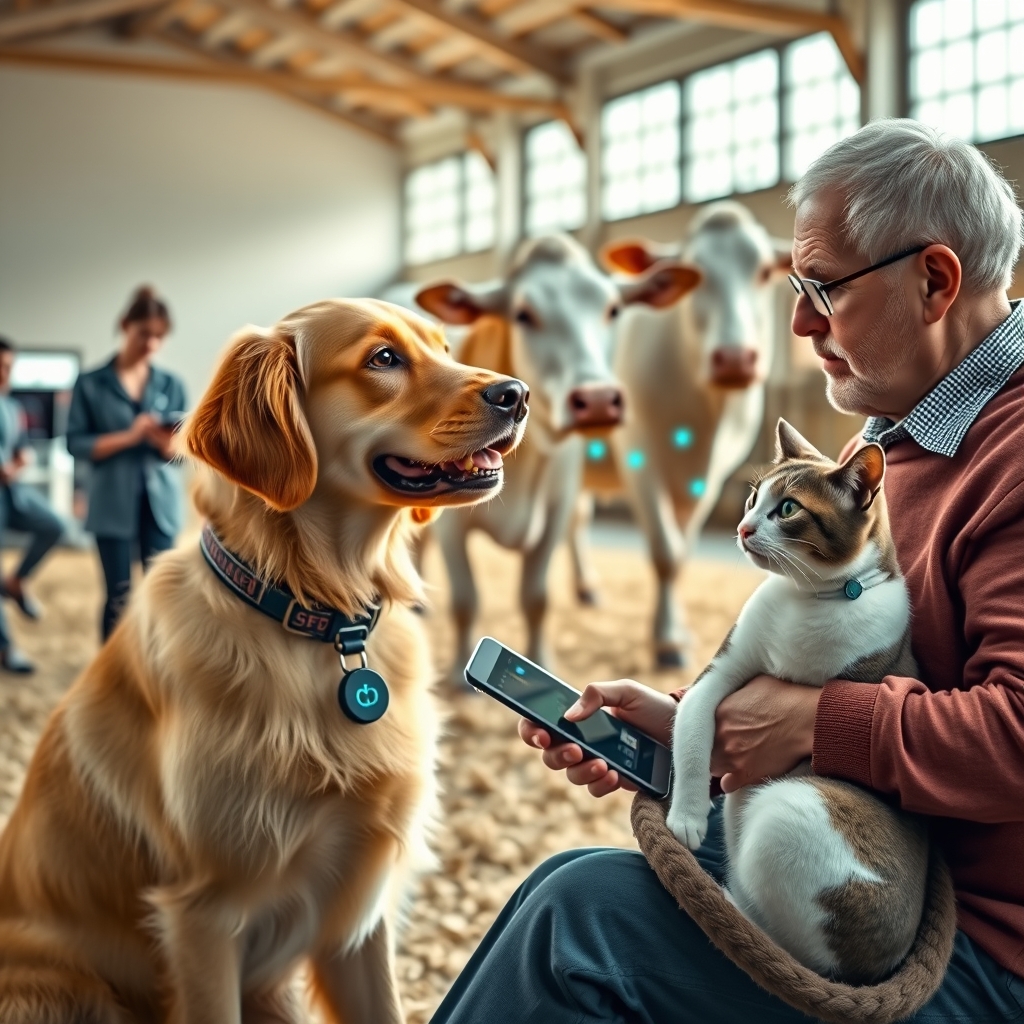
Imagine a world where every animal—whether a therapy dog, a dairy cow, or a shelter cat—thrives not just physically, but emotionally and mentally. This isn’t a distant dream; it’s the reality being shaped by Animal Assisted Intervention and evidence-based husbandry. These approaches are transforming how we understand and enhance animal well-being, blending science, technology, and empathy to create a future where animals don’t just survive—they flourish.
The Science Behind Positive Welfare Indicators
Gone are the days when animal welfare was measured solely by physical health. Today, researchers and caregivers focus on positive welfare indicators, such as play behavior, social interactions, and voluntary engagement. These metrics reveal an animal’s emotional state, offering a more holistic view of their well-being.
For example, studies show that animals engaged in Animal Assisted Therapy exhibit lower stress levels and higher sociability. Similarly, precision livestock farming uses sensors and AI to monitor behavior, ensuring early detection of discomfort or illness. By prioritizing these indicators, caregivers can tailor environments to meet individual needs, fostering a sense of security and contentment.
Human-Animal Interaction: A Two-Way Street
The bond between humans and animals is a powerful force, but it’s not just about what animals give us—it’s about what we give them in return. Human-animal interaction is a dynamic exchange, where trust, respect, and mutual benefit form the foundation of well-being.
Programs like voluntary participation training empower animals to choose whether to engage, reducing stress and increasing autonomy. This approach is particularly impactful in shelters and sanctuaries, where animals often face high-stress environments. By allowing them to opt in or out of interactions, caregivers respect their agency, leading to happier, more confident animals.
The Rise of Robotic Pet Therapy
Innovation isn’t limited to living animals. Robotic pet therapy is emerging as a groundbreaking tool, especially for individuals who may not be able to care for a live animal. These lifelike robots mimic the companionship of pets, providing comfort without the logistical challenges.
For animals, robotic companions can also serve as enrichment tools. In zoos and farms, they’re used to stimulate natural behaviors, such as curiosity and play. While they’ll never replace the warmth of a living creature, robotic pets offer a unique solution for environments where traditional Animal Assisted Intervention isn’t feasible.
Precision Livestock Farming: Data-Driven Compassion
Technology is revolutionizing animal care, and precision livestock farming is at the forefront. By leveraging animal behavior monitoring tools, farmers can track everything from movement patterns to feeding habits, ensuring each animal receives individualized care protocols.
This data-driven approach doesn’t just improve efficiency—it enhances welfare. For instance, sensors can detect early signs of lameness in cows or stress in poultry, allowing for timely interventions. When combined with compassionate handling practices, precision farming creates a system where animals are seen as individuals, not just production units.
Cognitive Enrichment: Stimulating Minds and Bodies
Animals, like humans, need mental stimulation to thrive. Cognitive animal enrichment goes beyond traditional toys, challenging animals to solve puzzles, navigate obstacles, or engage in problem-solving activities. These experiences not only prevent boredom but also promote brain health.
In zoos, for example, enrichment programs might include hidden food rewards or interactive games that encourage natural foraging behaviors. For companion animals, experiential animal learning can strengthen the bond between pets and their owners, fostering trust and mutual understanding.
Non-Pharmacological Interventions: Healing Without Medication
Medication has its place, but non-pharmacological interventions offer gentler, often more effective alternatives for managing stress, pain, and behavioral issues. Techniques like massage, acupuncture, and even music therapy are gaining traction in veterinary care, providing relief without the side effects of drugs.
For animals in therapy settings, these interventions can enhance the benefits of Animal Assisted Therapy. A dog undergoing massage, for instance, may experience reduced anxiety, making them more receptive to interactions with humans. Similarly, virtual animal interaction—such as watching fish swim or birds fly on a screen—can calm animals in high-stress environments like shelters.
Digital Health Tracking: The Future of Veterinary Care
Wearable tech isn’t just for humans. Digital health tracking devices for animals are becoming increasingly sophisticated, monitoring everything from heart rate to sleep patterns. These tools provide real-time data, enabling caregivers to make informed decisions about diet, exercise, and medical care.
The rise of telemedicine is also improving veterinary care accessibility, allowing pet owners and farmers to consult experts remotely. This is particularly valuable in rural areas, where access to veterinary services may be limited. By democratizing care, digital health tracking ensures that no animal is left behind.
Sustainable Animal Management: Balancing Welfare and Ecology
True animal welfare extends beyond individual care—it encompasses the broader ecosystem. Sustainable animal management seeks to balance the needs of animals with environmental stewardship, ensuring that practices like farming and conservation don’t come at the planet’s expense.
For example, regenerative agriculture integrates animal welfare with soil health, creating a symbiotic relationship between livestock and the land. Similarly, animal-centered care models in zoos prioritize species-specific needs while supporting biodiversity. By adopting these approaches, we can create a future where animals and the environment thrive together.
The Role of Compassionate Handling Practices
At the heart of all these advancements lies one fundamental principle: compassion. Compassionate handling practices ensure that animals are treated with dignity, whether they’re in a therapy session, a farm, or a home. This means using gentle techniques, respecting boundaries, and prioritizing the animal’s emotional well-being.
Training programs that emphasize low-stress handling are becoming the gold standard in veterinary care and animal husbandry. When caregivers approach animals with empathy, the results are profound—animals are more cooperative, less fearful, and more likely to exhibit positive welfare indicators.
The future of animal welfare isn’t just about technology or science—it’s about redefining our relationship with animals. By embracing Animal Assisted Intervention, evidence-based husbandry, and innovative care models, we can create a world where every animal has the opportunity to live a life filled with joy, purpose, and dignity. The tools and knowledge exist; now, it’s up to us to put them into practice and ensure that compassion remains at the core of every interaction.