
The Digital Leap: How Animal Assisted Intervention and Precision Care Are Crafting a Future of Measurable Well-Being for Animals
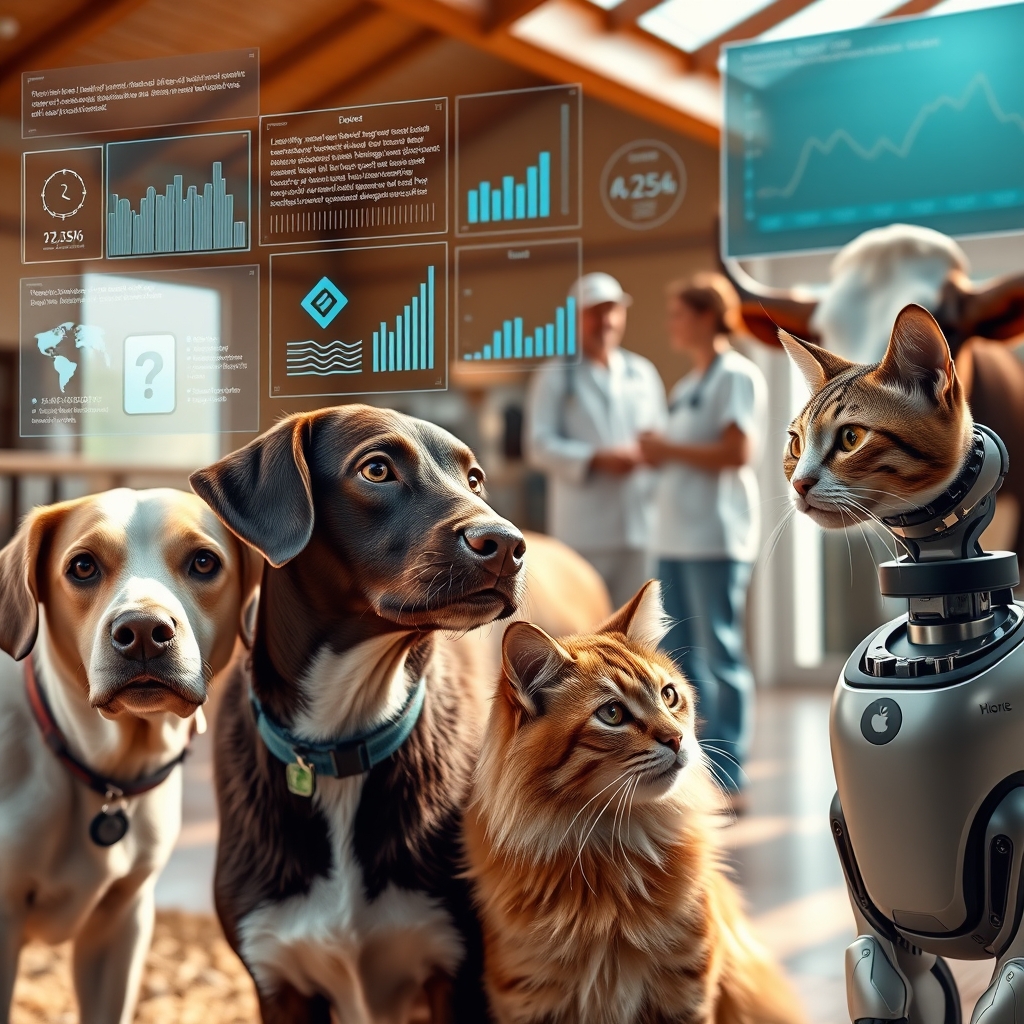
Imagine a world where every animal—whether a therapy dog, a dairy cow, or a shelter cat—receives care tailored to their unique needs, emotions, and behaviors. This isn’t a distant dream; it’s the reality being shaped by Animal Assisted Intervention and precision care technologies. By blending empathy with data-driven insights, we’re moving beyond traditional welfare practices to create systems that prioritize individual well-being, voluntary participation, and sustainable management. The result? Animals that aren’t just surviving but thriving in environments designed for their happiness.
The Science Behind Animal Assisted Intervention: More Than Just Companionship
Animal Assisted Therapy has long been celebrated for its ability to heal human minds and bodies, but its benefits extend far beyond the therapy room. Recent advancements in Human Animal Interaction research reveal that these interventions also transform the lives of the animals involved. Therapy animals, for instance, exhibit Positive Welfare Indicators like increased play behavior, reduced stress hormones, and stronger social bonds when engaged in structured, rewarding interactions.
But how do we ensure these interventions are truly beneficial for the animals? The answer lies in Evidence Based Husbandry. By leveraging behavioral science and real-time data, caregivers can design programs that respect each animal’s preferences, thresholds, and cognitive needs. For example, dogs trained through Voluntary Participation Training show higher engagement and lower stress levels compared to those subjected to traditional, coercive methods. This shift toward Animal Centered Care Models ensures that interventions are mutually beneficial, fostering trust and well-being on both sides of the leash.
Precision Livestock Farming: Where Technology Meets Compassion
The agricultural sector is undergoing a quiet revolution, one where Precision Livestock Farming is redefining what it means to care for animals at scale. Gone are the days of one-size-fits-all management; today, farmers use sensors, AI-driven analytics, and Animal Behavior Monitoring tools to track everything from heart rate variability to social dynamics within herds. These technologies enable Individualized Care Protocols, allowing farmers to detect illness, stress, or discomfort before it becomes a crisis.
For instance, dairy cows equipped with wearable health trackers can alert farmers to early signs of mastitis or lameness, enabling timely, non-invasive interventions. Similarly, Digital Health Tracking systems in poultry farms monitor flock behavior to identify patterns that might indicate disease or environmental stressors. By integrating Non Pharmacological Interventions like cognitive enrichment or environmental modifications, farmers can address issues without relying solely on medication, promoting long-term Sustainable Animal Management.
The Rise of Robotic and Virtual Companionship
While nothing can replace the warmth of a living, breathing animal, Robotic Pet Therapy and Virtual Animal Interaction are emerging as powerful tools in settings where live animals may not be feasible. Robotic pets, designed to mimic the behaviors of real animals, have shown promise in reducing anxiety and loneliness among elderly patients in care facilities. These robots respond to touch, sound, and even voice commands, providing a sense of companionship without the logistical challenges of live animal care.
Meanwhile, Virtual Animal Interaction platforms are being used in therapeutic and educational settings to teach empathy, responsibility, and animal behavior. Children with autism, for example, may benefit from interactive digital programs that simulate caring for a pet, helping them develop social skills in a controlled, stress-free environment. These innovations highlight the potential of technology to bridge gaps in Veterinary Care Accessibility and emotional support, particularly in underserved communities.
From Data to Empathy: The Role of Cognitive Enrichment
Animals, like humans, thrive when their minds are engaged. Cognitive Animal Enrichment—activities designed to challenge an animal’s problem-solving skills, memory, and curiosity—plays a crucial role in promoting mental well-being. Whether it’s a puzzle feeder for a zoo-housed primate or a scent-training game for a shelter dog, these interventions tap into an animal’s natural behaviors, reducing boredom and stereotypical behaviors like pacing or over-grooming.
But how do we measure the success of these programs? Animal Welfare Assessment tools, such as the Five Domains Model, evaluate not just physical health but also mental and emotional states. By tracking metrics like play frequency, social interactions, and exploratory behavior, caregivers can refine enrichment strategies to better suit each individual. This approach aligns with Compassionate Handling Practices, which emphasize respect for an animal’s autonomy and preferences, ensuring that care is as stress-free as possible.
The Future of Animal Care: A Holistic, Tech-Enabled Approach
The integration of Animal Assisted Intervention and precision care technologies is just the beginning. As AI, machine learning, and biometric monitoring continue to evolve, so too will our ability to understand and respond to the needs of animals. Imagine a future where every animal, from a household pet to a livestock herd, has a personalized wellness plan informed by real-time data and behavioral insights. This isn’t just about improving welfare; it’s about redefining our relationship with animals, one where technology and compassion work hand in hand.
For caregivers, farmers, and pet owners, the message is clear: the tools to provide better care are already here. By embracing Evidence Based Husbandry, Individualized Care Protocols, and innovative interventions, we can create environments where animals don’t just live—they flourish. The next step? Taking action, whether it’s adopting a new training method, investing in a health-monitoring device, or simply observing and responding to the subtle cues that reveal an animal’s true state of well-being. The future of animal care isn’t just about what we do; it’s about how we listen.