The Compassionate Shift: How Animal Assisted Intervention and Evidence-Based Husbandry Are Redefining Animal Well-Being Through Technology and Empathy
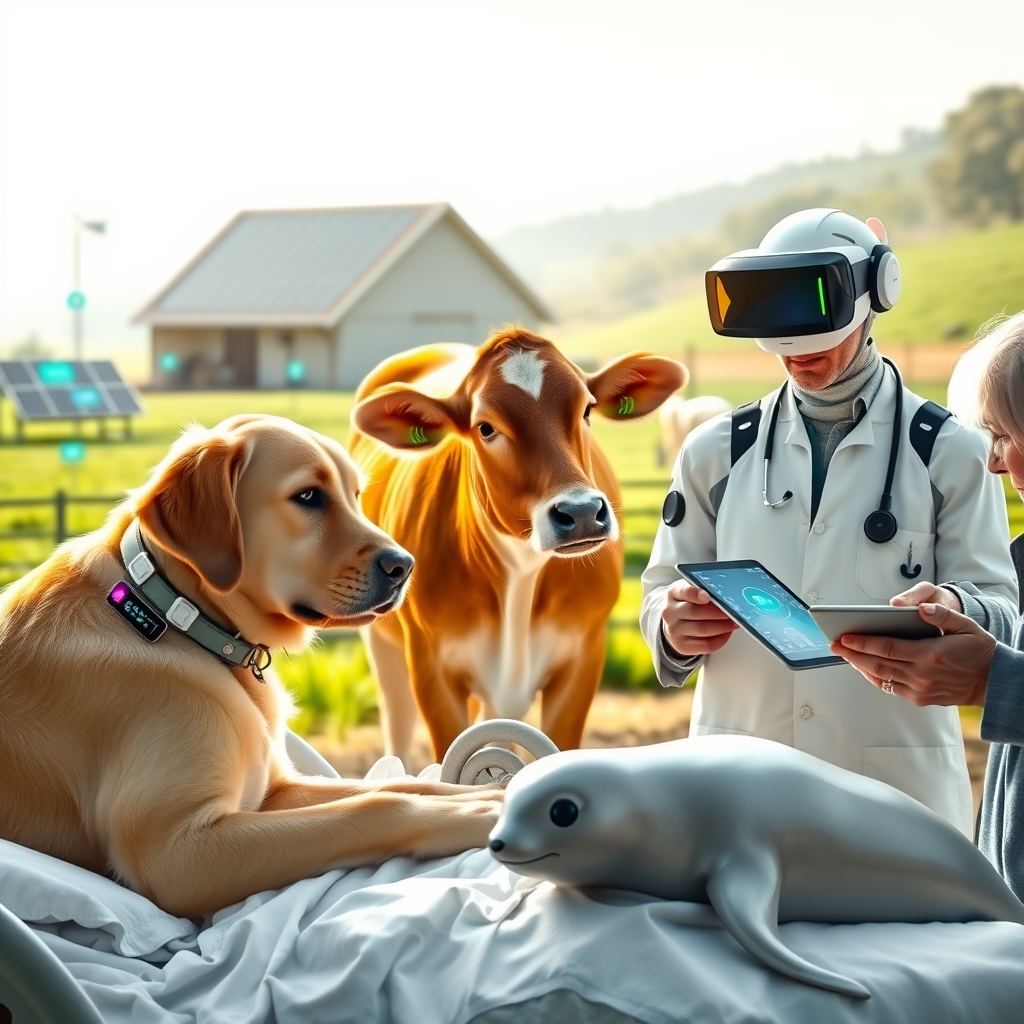
Imagine a world where every animal—whether a therapy dog, a farm cow, or a shelter cat—receives care tailored to their unique needs, emotions, and preferences. This isn’t a distant dream; it’s the reality unfolding through Animal Assisted Intervention and evidence-based husbandry. By blending cutting-edge technology with deep empathy, we’re not just improving animal welfare—we’re redefining it. From robotic pet therapy to precision livestock farming, these innovations are transforming how we understand, interact with, and care for animals, ensuring their well-being is measured by more than just physical health.
The Science Behind Animal Assisted Therapy: More Than Just Companionship
Animal Assisted Therapy (AAT) has long been celebrated for its emotional and psychological benefits, but its impact runs deeper than many realize. Studies show that interactions with therapy animals can lower cortisol levels, reduce anxiety, and even accelerate recovery in medical settings. Yet, the true power of AAT lies in its ability to foster human-animal interaction that is mutually beneficial. Animals, too, experience stress, and ensuring their welfare during therapy sessions is just as critical as the outcomes for humans.
This is where positive welfare indicators come into play. Instead of focusing solely on the absence of distress, researchers now measure behaviors like playfulness, curiosity, and voluntary engagement to gauge an animal’s well-being. For example, a therapy dog that eagerly approaches a patient is likely experiencing positive emotions, while one that avoids interaction may need a break or a different environment. By prioritizing these indicators, AAT programs can create experiences that are enriching for both parties.
Precision Livestock Farming: Where Data Meets Compassion
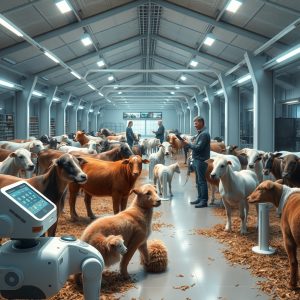
On farms, precision livestock farming is revolutionizing how we care for animals at scale. Gone are the days of one-size-fits-all husbandry; today, sensors, AI, and real-time monitoring allow farmers to track everything from an animal’s heart rate to its feeding patterns. This data-driven approach enables individualized care protocols, ensuring that each animal’s needs are met with precision.
For instance, animal behavior monitoring systems can detect early signs of illness or stress, allowing for timely interventions. A cow that spends less time grazing or a pig that isolates itself from the herd might be flagged for a veterinary check-up before symptoms worsen. This proactive approach not only improves animal welfare but also enhances productivity and sustainability, proving that compassion and efficiency can go hand in hand.
Voluntary Participation Training: Empowering Animals in Their Own Care
One of the most exciting advancements in animal welfare is voluntary participation training, which empowers animals to engage in their own care. This method, rooted in positive reinforcement, encourages animals to cooperate during veterinary procedures, reducing stress and the need for restraint. For example, a horse might be trained to willingly present its hoof for a trim, or a zoo animal might voluntarily step onto a scale for weighing.
This approach isn’t just about convenience—it’s about respect. By giving animals agency in their care, we acknowledge their intelligence and emotional complexity. It’s a shift from viewing animals as passive recipients of care to recognizing them as active participants in their own well-being. The result? Happier, healthier animals and stronger bonds between humans and the creatures we care for.
Beyond the Physical: Cognitive Enrichment and Non-Pharmacological Interventions
Animal welfare isn’t just about meeting physical needs; it’s also about nurturing the mind. Cognitive animal enrichment—activities that challenge an animal’s problem-solving skills, memory, and creativity—is gaining traction as a vital component of care. From puzzle feeders for dogs to complex climbing structures for zoo animals, these interventions keep animals mentally stimulated and emotionally fulfilled.
Similarly, non-pharmacological interventions are offering new ways to manage pain, anxiety, and behavioral issues without relying solely on medication. Techniques like massage, acupuncture, and even virtual reality (for animals in captivity) are being explored as complementary therapies. These methods not only reduce the need for drugs but also deepen our understanding of animal cognition and emotion.
The Rise of Robotic and Virtual Animal Interaction
In settings where live animals aren’t feasible—such as hospitals with strict hygiene protocols or homes with allergy concerns—robotic pet therapy and virtual animal interaction are emerging as powerful alternatives. Robotic pets, like lifelike seals or dogs, can provide comfort and companionship to elderly individuals or children with autism, mimicking the benefits of real animals without the logistical challenges.
Meanwhile, virtual animal interaction platforms are using augmented reality (AR) and virtual reality (VR) to create immersive experiences. Imagine a child in a hospital room “walking” a virtual dog or a farmer using VR to observe their livestock in a stress-free environment. These technologies are expanding the possibilities of human-animal interaction, making it more accessible and adaptable to diverse needs.
Sustainable Animal Management: Balancing Welfare and Environmental Impact
As the global population grows, so does the demand for animal products, making sustainable animal management a critical priority. The challenge? Ensuring high welfare standards while minimizing environmental impact. Innovations like digital health tracking and precision feeding are helping farmers reduce waste, optimize resources, and improve animal health—all without compromising welfare.
For example, wearable sensors can monitor an animal’s activity levels and adjust feed portions accordingly, reducing overfeeding and its associated environmental costs. Similarly, animal-centered care models prioritize natural behaviors, such as grazing or socializing, which not only enhance welfare but also contribute to more sustainable farming practices. It’s a win-win for animals, farmers, and the planet.
Compassionate Handling Practices: The Foundation of Trust
At the heart of all these advancements lies one fundamental principle: compassionate handling practices. Whether it’s a veterinarian performing a check-up or a farmer moving livestock, how we interact with animals shapes their well-being. Techniques like low-stress handling, gentle touch, and patient communication build trust, reducing fear and aggression in animals.
These practices aren’t just about kindness—they’re about science. Studies show that animals handled with compassion are more cooperative, recover faster from illness, and exhibit fewer stress-related behaviors. By integrating these practices into every aspect of animal care, from veterinary clinics to farms, we create a culture of respect that benefits both animals and humans.
The Future of Animal Welfare: A Holistic, Tech-Enabled Approach
The future of animal welfare is not just about adopting new technologies or methods; it’s about embracing a holistic approach that values the physical, emotional, and cognitive needs of animals. From Animal Assisted Intervention to precision livestock farming, these innovations are breaking down the barriers between science and empathy, proving that the best care is both evidence-based and compassionate.
As we continue to explore the possibilities of digital health tracking, voluntary participation training, and sustainable animal management, one thing is clear: the well-being of animals is no longer a secondary consideration. It’s a priority, and with the right tools and mindset, we can create a world where every animal thrives. The question is no longer whether we can achieve this future—it’s how quickly we can make it a reality for all creatures, great and small.