
From Observation to Action: How Animal Assisted Intervention and Precision Care Are Shaping the Future of Animal Welfare
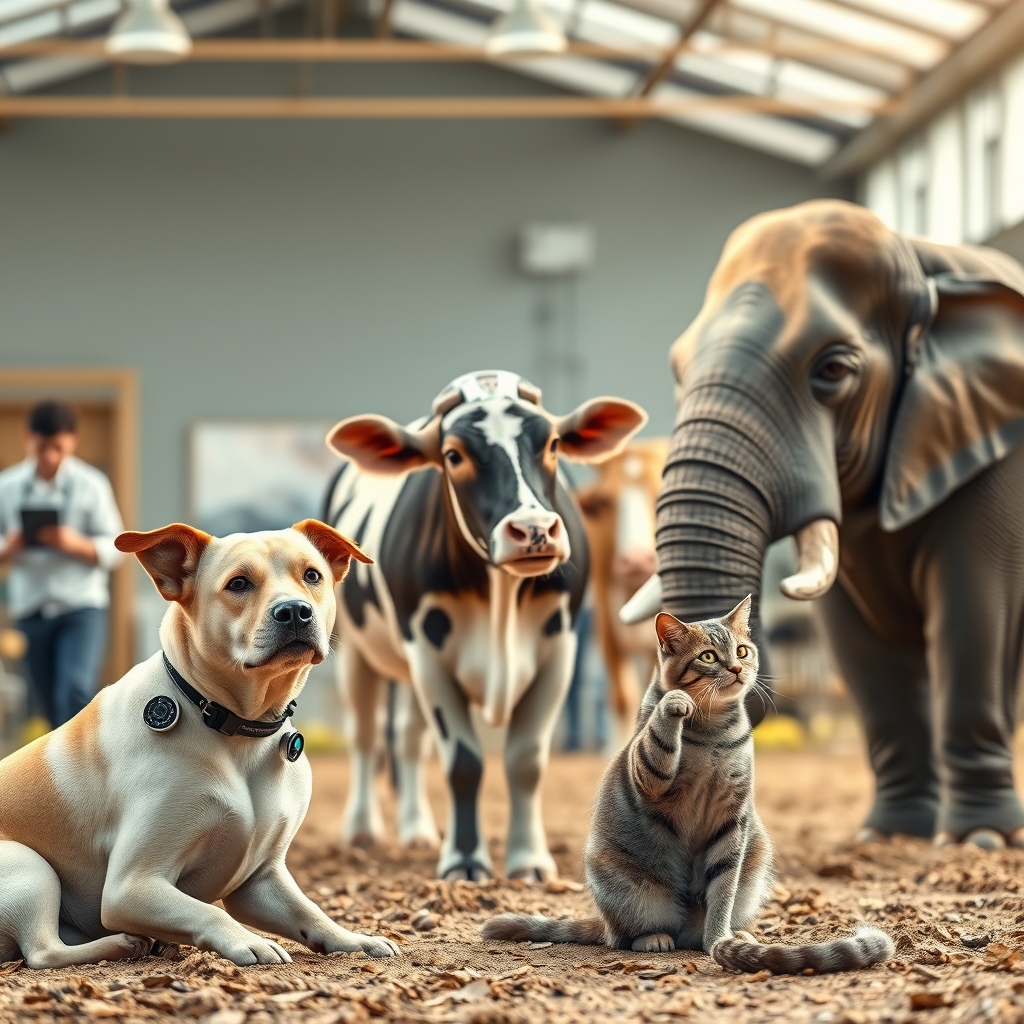
Imagine a world where every animal—whether a therapy dog, a farm pig, or a shelter cat—receives care tailored to its unique needs, emotions, and preferences. This isn’t a distant dream but a rapidly unfolding reality, thanks to the fusion of Animal Assisted Intervention and Evidence Based Husbandry. These approaches are revolutionizing how we understand and improve animal well-being, moving beyond traditional methods to embrace science, technology, and empathy in equal measure.
The Science Behind Animal Assisted Therapy: More Than Just Companionship
Animal Assisted Therapy has long been celebrated for its ability to heal and comfort humans, but its benefits extend far beyond the emotional. Recent studies reveal that structured Human Animal Interaction can reduce stress hormones in both animals and people, creating a reciprocal bond that fosters mutual well-being. For instance, dogs trained in therapy settings often exhibit Positive Welfare Indicators such as relaxed body language and voluntary engagement, signaling that the interaction is enriching for them as well.
Yet, not all animals thrive in therapeutic roles. This is where Animal Behavior Monitoring and Individualized Care Protocols come into play. By tracking an animal’s responses—such as heart rate variability or behavioral cues—caregivers can adjust sessions to ensure they remain positive experiences. For example, a therapy horse might show signs of fatigue after 20 minutes, prompting a break to prevent stress. These insights transform Animal Assisted Therapy from a one-size-fits-all approach into a dynamic, responsive practice.
Precision Livestock Farming: Where Technology Meets Compassion
On farms, Precision Livestock Farming is redefining what it means to provide humane care. Gone are the days of generic feeding schedules or reactive health management. Today, sensors and AI-driven analytics enable farmers to monitor everything from an animal’s movement patterns to its eating habits in real time. This data doesn’t just improve efficiency—it ensures that each animal’s physical and psychological needs are met with precision.
For example, dairy cows equipped with wearable tech can alert farmers to early signs of illness, such as reduced activity or changes in rumination. Similarly, Voluntary Participation Training—where animals are encouraged to engage in care routines willingly—reduces stress during procedures like milking or veterinary check-ups. These innovations aren’t just about productivity; they’re about crafting a Sustainable Animal Management system that prioritizes welfare at every turn.
The Rise of Robotic and Virtual Interventions
While technology often conjures images of cold, impersonal care, innovations like Robotic Pet Therapy and Virtual Animal Interaction are proving otherwise. For animals in shelters or long-term care facilities, robotic companions can provide stimulation and comfort when human interaction is limited. Studies show that even simple interactions with robotic pets can reduce anxiety in elderly dogs or cats awaiting adoption.
Meanwhile, Virtual Animal Interaction is opening new doors for animals in zoos or sanctuaries. Digital enrichment tools—such as touchscreens displaying moving prey for big cats—engage animals’ cognitive abilities without the risks of live prey. These Non Pharmacological Interventions are particularly valuable for species prone to boredom or stereotypic behaviors, offering a way to enhance their quality of life without relying on medication.
Assessing Welfare: Beyond the Basics of Care
Traditional welfare assessments often focus on physical health—are the animals fed, sheltered, and free from disease? But modern Animal Welfare Assessment digs deeper, evaluating emotional and psychological well-being through Positive Welfare Indicators. These might include an animal’s willingness to explore new environments, its social interactions, or even its play behavior. For instance, a pig that engages in play is likely experiencing a higher quality of life than one that doesn’t, regardless of its physical condition.
Cognitive Animal Enrichment plays a crucial role here. Puzzle feeders, scent games, and training sessions that challenge an animal’s problem-solving skills can significantly improve its mental state. In zoos, for example, elephants given complex enrichment tasks show reduced signs of stress and increased social behaviors. These practices reflect a shift toward Animal Centered Care Models, where the animal’s perspective guides every decision.
The Role of Data in Personalized Care
Data is the backbone of modern animal care, enabling caregivers to move from reactive to proactive strategies. Digital Health Tracking tools, such as GPS collars or smart tags, allow for continuous monitoring of an animal’s location, activity levels, and even sleep patterns. For pets, this might mean detecting early signs of arthritis or anxiety before they become serious issues. For livestock, it could involve identifying patterns that predict illness or stress.
This data-driven approach also supports Compassionate Handling Practices. By understanding an animal’s preferences—for example, whether a dog prefers treats over petting—caregivers can tailor their interactions to create positive experiences. Over time, these small adjustments accumulate, fostering trust and reducing fear-based behaviors.
Bridging Gaps in Veterinary Care Accessibility
One of the most significant challenges in animal welfare is ensuring access to veterinary care, particularly in underserved communities. Veterinary Care Accessibility initiatives are addressing this gap through telemedicine, mobile clinics, and community outreach programs. For example, mobile spay/neuter clinics bring essential services to areas where traditional veterinary care is scarce, reducing overpopulation and improving animal health outcomes.
Technology also plays a role here. AI-powered diagnostic tools can help non-specialists identify common conditions, while Digital Health Tracking platforms enable remote monitoring of chronic conditions. These innovations democratize care, ensuring that every animal—regardless of its owner’s resources—has the opportunity to thrive.
The Future of Animal Well-Being: A Call to Action
The future of animal welfare lies in our ability to blend science, technology, and empathy into cohesive care models. Whether through Animal Assisted Intervention, Precision Livestock Farming, or Experiential Animal Learning, the goal remains the same: to create environments where animals don’t just survive but flourish. This requires a commitment to continuous learning, innovation, and a willingness to challenge traditional norms.
For caregivers, pet owners, and animal professionals, the path forward is clear. Start small—observe an animal’s behavior, experiment with enrichment, or explore digital tools that can enhance care. Every step, no matter how modest, contributes to a larger movement toward a world where animal well-being is measured not just by the absence of suffering but by the presence of joy, curiosity, and contentment. The tools and knowledge exist; it’s up to us to put them into action.