The Power of Connection: How Animal Assisted Intervention and Precision Care Are Revolutionizing Animal Welfare

Imagine walking into a veterinary clinic where a therapy dog greets you with a wagging tail, instantly easing your anxiety. Now picture a livestock farm where sensors monitor each animal’s behavior in real-time, ensuring their needs are met before stress even arises. These scenarios aren’t just heartwarming—they’re the future of Animal Assisted Intervention and evidence-based care, where science and compassion intersect to redefine animal welfare.
The Science Behind Animal Assisted Therapy: More Than Just Companionship
Animal Assisted Therapy (AAT) has evolved far beyond the simple joy of petting a dog. Research shows that interactions with animals can lower cortisol levels, reduce blood pressure, and even accelerate healing in humans. But what about the animals themselves? The key lies in Positive Welfare Indicators—measurable signs like play behavior, social engagement, and voluntary participation that signal true well-being.
Programs incorporating Human Animal Interaction are now designed with the animal’s welfare as a priority. For example, therapy dogs undergo rigorous training to ensure they enjoy their work, with handlers monitoring for signs of stress or fatigue. This shift toward Animal Centered Care Models ensures that the benefits of AAT are mutual, fostering a relationship built on trust and respect.
Precision Livestock Farming: Where Technology Meets Compassion
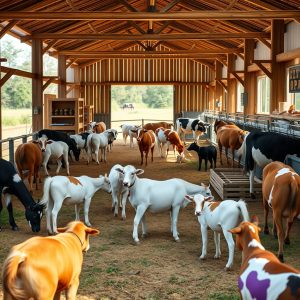
On modern farms, Precision Livestock Farming is transforming how we care for animals. Wearable sensors track everything from heart rate to movement patterns, allowing farmers to detect illness or discomfort before it becomes a problem. This data-driven approach enables Individualized Care Protocols, tailoring nutrition, housing, and medical treatment to each animal’s unique needs.
But technology isn’t just about efficiency—it’s about empathy. Animal Behavior Monitoring systems use AI to interpret subtle cues, such as ear position or vocalizations, that indicate stress or contentment. By combining these insights with Voluntary Participation Training, farmers can create environments where animals choose to engage, rather than being forced into interactions. This proactive approach not only improves welfare but also enhances productivity, proving that compassion and profitability can go hand in hand.
Beyond the Physical: Cognitive Enrichment and Emotional Well-Being
Animals, like humans, thrive when their minds are stimulated. Cognitive Animal Enrichment—such as puzzle feeders, scent games, or social play—can reduce boredom and prevent behavioral issues. For example, zoos now use Experiential Animal Learning to teach animals new skills, like painting or problem-solving, which keeps them mentally engaged and emotionally fulfilled.
In veterinary settings, Non Pharmacological Interventions like music therapy or gentle massage are gaining traction as ways to reduce stress during procedures. Even Robotic Pet Therapy is emerging as a tool for patients who may be allergic to or fearful of live animals, offering the benefits of companionship without the risks. These innovations highlight the growing recognition that animal welfare extends beyond physical health to include emotional and cognitive well-being.
The Digital Frontier: Virtual Interaction and Health Tracking
The rise of Virtual Animal Interaction is opening new doors for animal welfare. Apps and virtual reality experiences allow people to connect with animals in ways that were once impossible, whether it’s a child “visiting” a zoo from their classroom or a senior interacting with a digital pet to combat loneliness. These tools not only foster empathy but also reduce the demand for physical animal interactions, easing the burden on therapy animals.
Meanwhile, Digital Health Tracking is revolutionizing veterinary care. Smart collars and implantable sensors provide real-time data on an animal’s health, enabling early intervention and reducing the need for invasive procedures. This technology is particularly valuable in remote or underserved areas, where Veterinary Care Accessibility has historically been a challenge. By democratizing access to care, digital tools are helping to create a more equitable future for animals worldwide.
Sustainable Management: Balancing Welfare and Environmental Responsibility
As the global population grows, so does the demand for animal products. Sustainable Animal Management seeks to meet this demand without compromising welfare. Practices like rotational grazing, where livestock are moved between pastures to prevent overgrazing, not only improve soil health but also give animals access to fresh forage, enhancing their quality of life.
Similarly, Compassionate Handling Practices—such as low-stress livestock handling techniques—reduce fear and injury during transport and processing. These methods not only align with ethical standards but also improve meat quality, demonstrating that welfare and sustainability are not mutually exclusive. By adopting a holistic approach, farmers can ensure that their operations are both humane and environmentally responsible.
Building a Future Where Every Animal Thrives
The intersection of Animal Assisted Intervention, precision care, and sustainable practices is creating a new paradigm for animal welfare—one where every creature, from therapy dogs to farm animals, has the opportunity to live a life of dignity and fulfillment. Whether through the gentle touch of a therapy animal, the data-driven insights of precision farming, or the innovative solutions of digital health tracking, the future of animal care is bright.
As we continue to refine these approaches, the key will be to keep the animal’s perspective at the center of every decision. By prioritizing Positive Welfare Indicators, embracing technology, and fostering meaningful connections, we can build a world where animals don’t just survive—they thrive. The journey starts with a single step, and every action, no matter how small, brings us closer to that vision.