Shadows of the Savannah: How Tracking Dogs Illuminate the Mysteries of Safari Wildlife
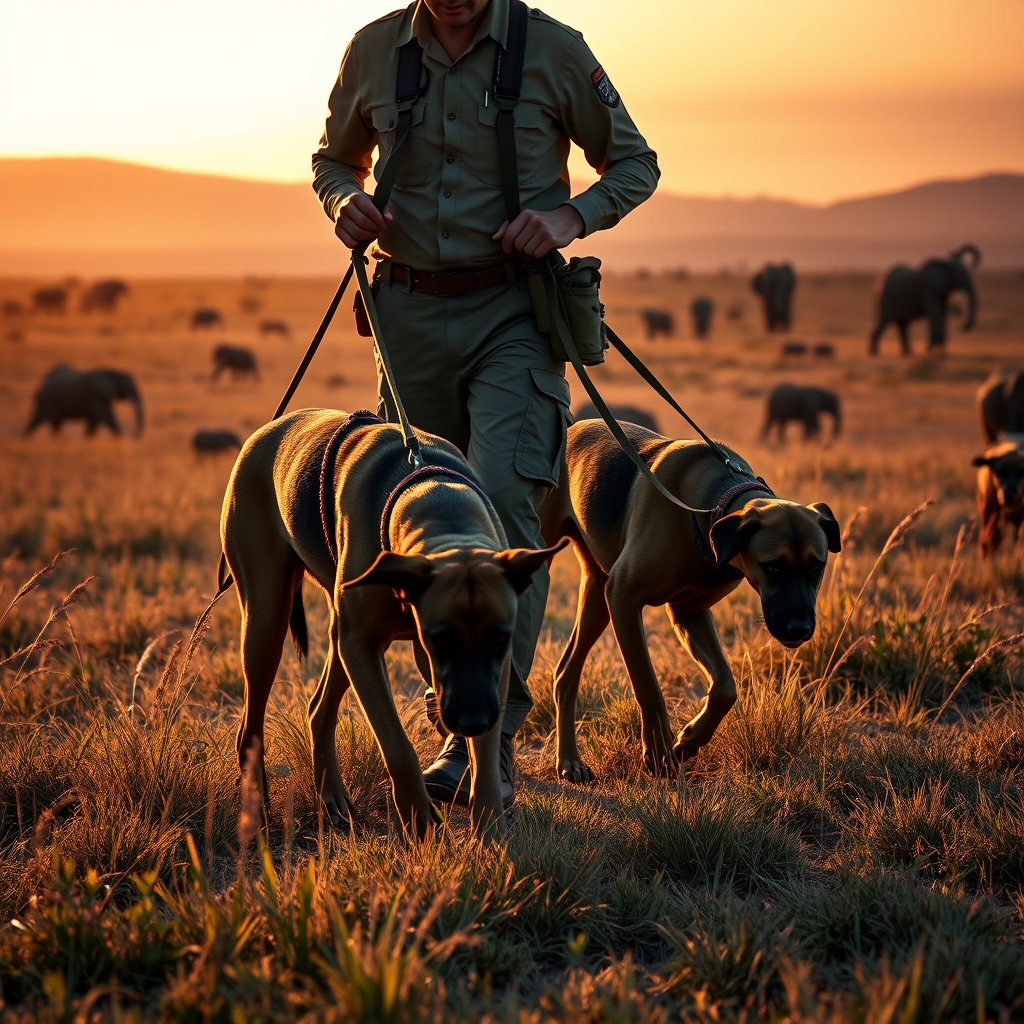
The golden grasslands of the African savannah stretch endlessly under the scorching sun, a vast ocean of amber where the whispers of the wild echo through the silence. Here, among the towering acacias and the distant silhouettes of baobab trees, the drama of life and survival unfolds in ways both brutal and beautiful. Yet, beneath the surface of this untamed wilderness lies a world of secrets—elusive movements, hidden dens, and the faintest traces of creatures that slip through the shadows like ghosts. It is in this realm that tracking dogs, with their extraordinary senses and unwavering determination, become the eyes and ears of those who seek to understand and protect the fragile tapestry of safari wildlife.
The Unseen Trailblazers
Tracking dogs are not merely hunters or companions; they are living, breathing instruments of discovery. Breeds like the Bloodhound, Belgian Malinois, and German Shorthaired Pointer possess olfactory abilities that border on the supernatural. A Bloodhound’s nose, for instance, is estimated to be between 10,000 to 100,000 times more sensitive than a human’s, capable of detecting scent particles that are days, even weeks, old. This remarkable talent transforms them into invaluable allies for researchers and conservationists who navigate the complexities of the wild.
In the heart of the savannah, these dogs are deployed to track the movements of apex predators like lions, leopards, and cheetahs. Their work is not about confrontation but comprehension. By following the scent trails of these elusive big cats, tracking dogs help scientists map their territories, study their behaviors, and monitor their populations. This data is crucial for conservation efforts, particularly in regions where human-wildlife conflict threatens the survival of these majestic creatures. A single paw print in the dust or a tuft of fur caught on a thorn bush can reveal a story that might otherwise go untold.
The Dance of Predator and Prey
The relationship between tracking dogs and the animals they pursue is a delicate dance, one that has evolved over millennia. In the wild, predators rely on stealth and strategy to hunt their prey, while prey species develop keen instincts to evade detection. Tracking dogs, however, operate on a different plane. Their ability to follow scent rather than rely solely on sight or sound allows them to uncover the hidden narratives of the savannah—stories of survival, migration, and even tragedy.
For example, in regions where poaching is a persistent threat, tracking dogs are trained to detect the scent of gunpowder, snares, and even the faintest traces of human interference. Their work has led to the dismantling of poaching networks and the rescue of endangered species like rhinos and elephants. In this way, these dogs are not just trackers; they are guardians of the wild, standing as a bulwark against the forces that seek to exploit it.
Technology Meets Instinct
While the instincts of tracking dogs are unparalleled, modern technology has begun to play a complementary role in their work. GPS collars, drones, and thermal imaging cameras are now used alongside these canine experts to enhance their tracking capabilities. For instance, a dog might pick up the scent of a wounded animal, while a drone can provide an aerial view of the terrain, helping researchers navigate dense thickets or rocky outcrops. This synergy between instinct and innovation is revolutionizing wildlife conservation, making it possible to cover larger areas and gather more precise data than ever before.
Animal tracking technology has also evolved to include non-invasive methods like camera traps and acoustic sensors. These tools, when combined with the work of tracking dogs, create a comprehensive picture of wildlife behavior. For example, a dog might lead researchers to a hidden den, where a camera trap can then capture footage of a mother cheetah and her cubs, providing insights into their daily lives without disturbing them. This harmonious blend of old and new techniques ensures that conservation efforts are both effective and ethical.
The Human Connection
Behind every tracking dog is a handler, a bond forged in trust and mutual respect. These handlers are often unsung heroes, spending countless hours in the field, enduring harsh conditions, and forming deep connections with their canine partners. The relationship between a tracking dog and its handler is one of symbiosis—each relies on the other to navigate the challenges of the wild. Handlers must understand their dogs’ body language, interpreting subtle cues that indicate whether a scent has been picked up or if danger lurks nearby.
This partnership extends beyond the field. Training a tracking dog is a labor of love, requiring patience, consistency, and an intimate understanding of animal behavior. Puppies are socialized from a young age, exposed to a variety of environments and scents to hone their natural abilities. Positive reinforcement techniques, such as rewards and praise, are used to encourage desired behaviors, ensuring that the dogs remain motivated and eager to work. The result is a team that operates with seamless precision, a testament to the power of collaboration between humans and animals.
The Ethical Dilemma
While the contributions of tracking dogs to wildlife conservation are undeniable, their use also raises important ethical questions. The line between conservation and exploitation can sometimes blur, particularly when dogs are deployed in high-risk environments or subjected to grueling conditions. It is essential that their welfare is prioritized, with handlers ensuring that they are well-rested, hydrated, and protected from harm. Organizations that employ tracking dogs must adhere to strict ethical guidelines, balancing the needs of conservation with the well-being of their canine partners.
Moreover, the use of tracking dogs in wildlife research must be carefully considered to avoid disrupting natural behaviors. For instance, while it is tempting to use dogs to track endangered species for study, researchers must weigh the potential benefits against the risks of stressing or displacing these animals. Ethical conservation practices demand a thoughtful approach, one that respects the delicate balance of the ecosystems being studied.
The savannah at dusk is a place of quiet magic, where the last rays of sunlight paint the sky in hues of orange and purple, and the sounds of the wild crescendo into a symphony of life. In this vast and untamed landscape, tracking dogs move like shadows, their presence a reminder of the deep connection between humans and the natural world. They are not just tools of science or instruments of conservation; they are storytellers, weaving tales of survival, resilience, and hope. Through their work, we gain a deeper appreciation for the mysteries of the wild and the urgent need to protect it. As the stars begin to twinkle above the savannah, one can’t help but wonder what secrets these dogs will uncover next, and how their stories will shape the future of wildlife conservation for generations to come.