The Next Wave of Animal Well-Being: How Evidence-Based Husbandry and Innovative Interventions Are Crafting a Future of Measurable, Compassionate Care
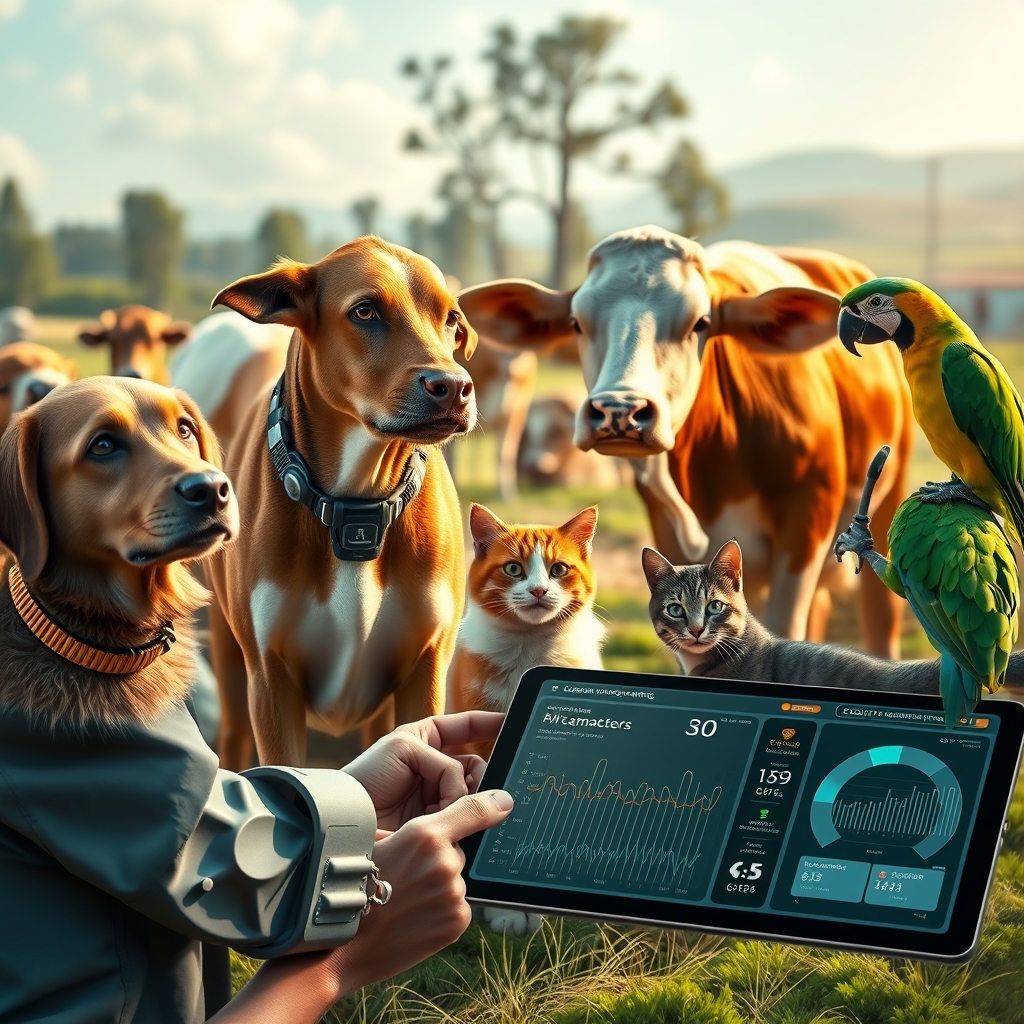
Imagine a world where every animal—whether a therapy dog, a farm cow, or a household cat—receives care tailored to their unique needs, preferences, and emotional state. This isn’t a distant dream; it’s the emerging reality shaped by Animal Assisted Intervention and evidence-based husbandry. These approaches are transforming how we understand, measure, and enhance animal well-being, moving beyond traditional methods to create systems that prioritize individuality, precision, and compassion. The result? A future where positive welfare indicators aren’t just observed but actively cultivated through science, technology, and empathy.
The Science Behind Positive Welfare Indicators
For decades, animal welfare was assessed through basic health metrics—weight, coat condition, or absence of disease. While these factors remain important, modern animal welfare assessment now incorporates positive welfare indicators that reflect an animal’s emotional and psychological state. These include behaviors like playfulness, curiosity, and voluntary engagement with their environment, which signal thriving rather than mere survival.
Research in human-animal interaction has shown that animals, much like humans, experience a spectrum of emotions. For example, dogs participating in animal-assisted therapy often display reduced stress levels, not just in the humans they interact with but in themselves. Similarly, farm animals in systems using precision livestock farming exhibit fewer signs of distress when their environments are dynamically adjusted based on real-time animal behavior monitoring. These findings underscore the importance of shifting from reactive to proactive care models.
Precision Livestock Farming: A Game-Changer for Sustainable Animal Management
The rise of precision livestock farming is revolutionizing how we manage large-scale animal populations. By leveraging sensors, AI-driven analytics, and digital health tracking, farmers can now monitor individual animals with unprecedented accuracy. For instance, wearable devices track movement patterns, feeding behaviors, and even vocalizations to detect early signs of illness or discomfort. This data-driven approach enables individualized care protocols, ensuring that each animal receives interventions tailored to their specific needs.
Beyond health, precision livestock farming also addresses sustainability. By optimizing feed efficiency, reducing waste, and minimizing the use of antibiotics, these systems contribute to sustainable animal management while improving welfare outcomes. The integration of voluntary participation training—where animals are encouraged to engage in care routines willingly—further enhances their quality of life, proving that productivity and compassion can coexist.
Animal-Assisted Therapy and Beyond: Expanding the Frontiers of Human-Animal Interaction
Animal-assisted therapy has long been recognized for its benefits in mental health, rehabilitation, and education. However, recent innovations are expanding its potential even further. For example, robotic pet therapy is emerging as a viable alternative for individuals who may not be able to care for live animals, such as elderly patients in long-term care facilities. These lifelike robots provide companionship and emotional support without the logistical challenges of traditional pets.
Meanwhile, virtual animal interaction is breaking down geographical barriers, allowing people to engage with animals in therapeutic settings remotely. Whether through VR experiences or live-streamed sessions with therapy animals, these technologies are making animal-assisted intervention more accessible than ever. They also open new avenues for research into the nuances of human-animal interaction, helping us understand how these bonds can be optimized for mutual benefit.
Cognitive Enrichment and Non-Pharmacological Interventions: Nurturing the Animal Mind
Just as humans thrive on mental stimulation, animals benefit from cognitive animal enrichment that challenges their intellect and engages their natural behaviors. Puzzle feeders, scent games, and interactive toys are just a few examples of how caregivers can provide experiential animal learning opportunities. These activities not only prevent boredom but also promote problem-solving skills and emotional resilience.
Non-pharmacological interventions are another critical component of modern animal care. Techniques like massage, aromatherapy, and music therapy are being used to reduce stress and anxiety in animals, from shelter dogs to zoo inhabitants. These methods align with animal-centered care models, which prioritize the animal’s perspective and preferences in all aspects of their care. By focusing on holistic well-being, these interventions help animals lead more fulfilling lives.
The Role of Technology in Veterinary Care Accessibility
Access to veterinary care remains a challenge for many animal owners, particularly in underserved communities. However, technology is bridging this gap through telemedicine, mobile clinics, and AI-powered diagnostic tools. Digital health tracking devices, such as smart collars and implantable sensors, enable early detection of health issues, allowing for timely interventions. These innovations are making veterinary care accessibility a reality for more animals, regardless of their location.
Moreover, compassionate handling practices are being integrated into veterinary training programs to ensure that animals feel safe and secure during medical procedures. Techniques like low-stress handling and positive reinforcement not only improve the animal’s experience but also enhance the accuracy of diagnoses and treatments. This shift toward empathy-driven care is redefining the standards of veterinary medicine.
Building a Future of Compassionate, Individualized Care
The future of animal well-being lies in the intersection of innovation and compassion. By embracing evidence-based husbandry, precision livestock farming, and animal-assisted intervention, we can create systems that prioritize the unique needs of each animal. Whether through voluntary participation training, cognitive enrichment, or digital health tracking, these approaches ensure that animals don’t just survive—they thrive.
As we continue to refine these methods, the goal remains clear: to build a world where every animal receives care that is not only scientifically sound but also deeply empathetic. The tools and knowledge exist; now, it’s up to us to put them into practice. By doing so, we can craft a future where well-being is measurable, compassionate, and accessible to all.