The Future of Animal Well-Being: How Technology and Compassion Are Redefining Evidence-Based Husbandry and Human-Animal Interaction
Imagine a world where every animal—whether a therapy dog, a farm cow, or a household pet—receives care tailored to their unique needs, emotions, and behaviors. This isn’t a distant dream; it’s the reality being shaped by Animal Assisted Intervention and Evidence Based Husbandry. By blending cutting-edge technology with deep compassion, we’re moving beyond traditional care models to create systems that prioritize Positive Welfare Indicators and individualized well-being. But how exactly are these innovations transforming the way we interact with and care for animals?
The Science Behind Animal Assisted Therapy and Human-Animal Interaction
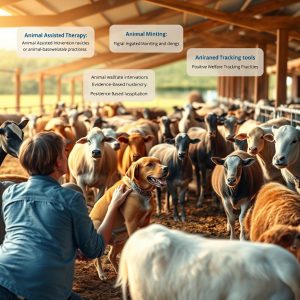
Animal Assisted Therapy has long been recognized for its emotional and psychological benefits, but recent advancements are taking it further. Studies show that structured Human Animal Interaction can reduce stress, lower blood pressure, and even accelerate healing in humans. Yet, the focus is shifting toward ensuring these interactions are mutually beneficial.
For example, therapy animals are now trained using Voluntary Participation Training, ensuring they engage willingly and without stress. This approach not only enhances their well-being but also strengthens the bond between animals and humans. Meanwhile, Robotic Pet Therapy is emerging as a complementary tool, offering companionship to those who may not have access to live animals while reducing the strain on therapy pets.
Precision Livestock Farming: A Data-Driven Approach to Animal Welfare
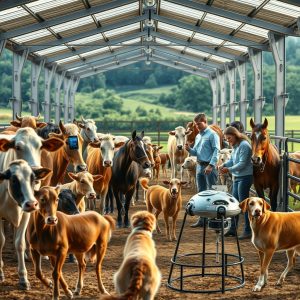
Gone are the days when livestock management relied solely on observation and intuition. Precision Livestock Farming leverages sensors, AI, and real-time Animal Behavior Monitoring to track health, stress levels, and environmental conditions. This data-driven approach allows farmers to implement Individualized Care Protocols, ensuring each animal receives the right nutrition, space, and medical attention.
For instance, wearable devices can detect early signs of illness in dairy cows, while automated feeding systems adjust diets based on individual metabolic needs. These innovations not only improve efficiency but also align with Sustainable Animal Management practices, reducing waste and environmental impact.
From Cognitive Enrichment to Non-Pharmacological Interventions
Animals, like humans, thrive when their minds are engaged. Cognitive Animal Enrichment—such as puzzle feeders, interactive toys, and Experiential Animal Learning—stimulates natural behaviors and prevents boredom. These methods are particularly valuable in zoos, shelters, and research facilities, where animals may face limited stimulation.
Additionally, Non Pharmacological Interventions like massage, acupuncture, and environmental modifications are gaining traction as alternatives to traditional medical treatments. These approaches reduce reliance on medications, minimizing side effects while promoting holistic well-being. For pets, Virtual Animal Interaction platforms even offer digital playtime, keeping them mentally active when physical interaction isn’t possible.
Digital Health Tracking and the Rise of Animal-Centered Care Models
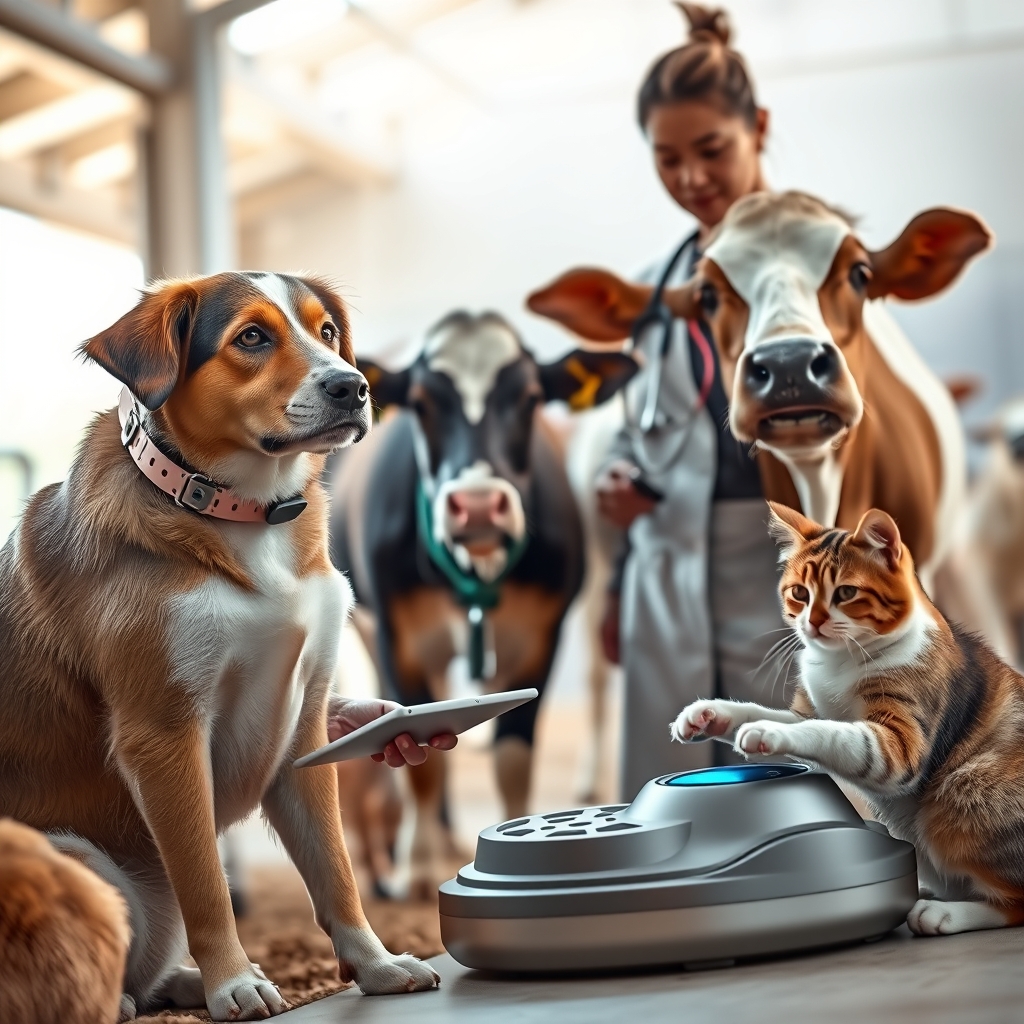
The rise of Digital Health Tracking is revolutionizing veterinary care. Smart collars, GPS trackers, and health-monitoring apps provide pet owners and professionals with real-time insights into an animal’s activity, sleep patterns, and vital signs. This data enables early intervention, improving outcomes and reducing emergency visits.
Meanwhile, Animal Centered Care Models are redefining how we assess and improve animal welfare. These models prioritize Animal Welfare Assessment tools that measure not just physical health but also emotional and psychological well-being. By focusing on Positive Welfare Indicators—such as play behavior, social interactions, and voluntary engagement—caregivers can create environments where animals truly thrive.
The Role of Compassionate Handling and Accessible Veterinary Care
Compassionate Handling Practices are at the heart of modern animal care. Techniques like low-stress handling, positive reinforcement training, and gentle restraint minimize fear and anxiety, fostering trust between animals and humans. These practices are especially critical in veterinary settings, where stress can impact an animal’s recovery and overall health.
Yet, access to veterinary care remains a challenge for many pet owners. Innovations like telemedicine, mobile clinics, and Veterinary Care Accessibility programs are bridging this gap, ensuring that all animals—regardless of location or socioeconomic status—receive the care they deserve. These efforts are not just about treating illness but preventing it through education and proactive wellness strategies.
What’s Next for Animal Well-Being?
The future of animal care lies at the intersection of technology, science, and empathy. As Precision Livestock Farming and Digital Health Tracking become more sophisticated, we’ll see even greater personalization in care. Meanwhile, Animal Assisted Therapy and Human Animal Interaction will continue to evolve, creating deeper, more meaningful connections between species.
For caregivers, pet owners, and animal professionals, the key is to stay informed and embrace these innovations. Whether it’s adopting Voluntary Participation Training for pets, integrating Cognitive Animal Enrichment into daily routines, or leveraging data to refine care protocols, every small step contributes to a larger movement. The goal isn’t just to meet basic needs but to ensure every animal lives a life filled with comfort, joy, and dignity—because when animals thrive, we all do.