The Invisible Thread: How Animal Assisted Intervention and Precision Care Are Weaving a Future of Unseen Well-Being
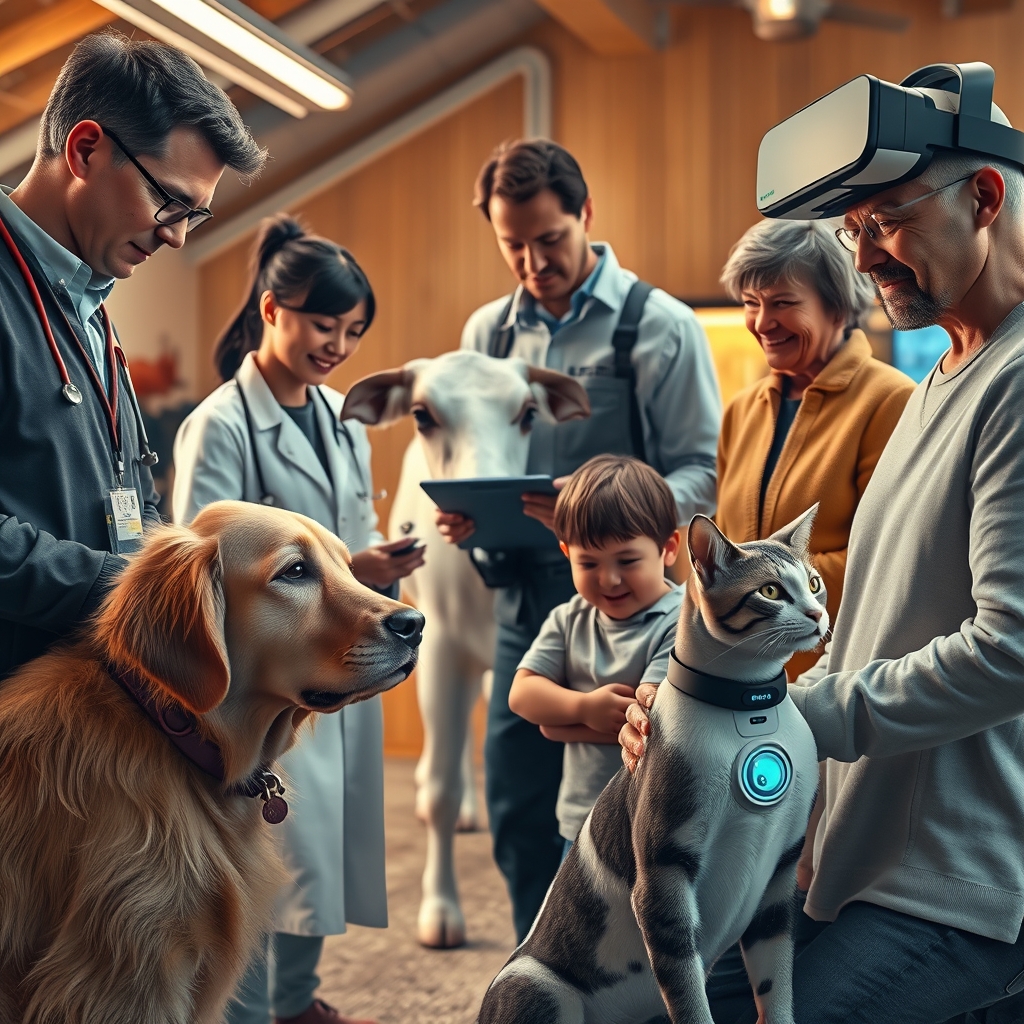
Imagine a world where every tail wag, ear flick, or gentle nudge from an animal isn’t just a moment of joy but a data point in a larger story of well-being. This is the promise of Animal Assisted Intervention (AAI), a field where science, empathy, and technology converge to redefine how we understand and enhance the lives of animals. From therapy dogs in hospitals to precision livestock farming, the ways we interact with animals are evolving, and so are the tools we use to ensure their welfare isn’t just met but optimized.
The Science Behind the Bond: How Human-Animal Interaction Shapes Well-Being
The connection between humans and animals is ancient, but our understanding of it is rapidly advancing. Human-Animal Interaction (HAI) research reveals that these bonds go beyond companionship—they can lower stress, improve mental health, and even accelerate physical healing. Studies show that patients recovering from surgery experience faster recovery rates when interacting with therapy animals, while children with autism spectrum disorders often exhibit improved social behaviors after sessions with trained animals.
But what makes these interactions so powerful? The answer lies in the release of oxytocin, often called the “love hormone,” which fosters trust and reduces anxiety for both humans and animals. However, not all interactions are created equal. Evidence-Based Husbandry ensures that these bonds are built on mutual respect, with animals participating voluntarily and without stress. This approach shifts the focus from what we *think* animals need to what science *proves* they thrive on.
From Farms to Facilities: The Role of Precision Livestock Farming
On the surface, a dairy farm and a therapy center might seem worlds apart, but both are embracing Precision Livestock Farming (PLF) to revolutionize animal care. PLF uses sensors, AI, and real-time data to monitor everything from an animal’s heart rate to its feeding patterns. For livestock, this means early detection of illness, optimized nutrition, and reduced environmental stress. For therapy animals, it ensures they’re never overworked and always in peak condition to provide support.
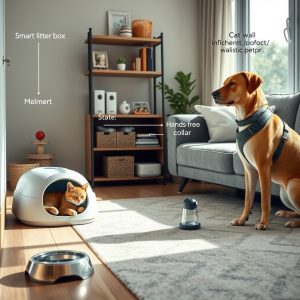
One of the most exciting developments in PLF is Animal Behavior Monitoring. Wearable tech, like smart collars, tracks movement, vocalizations, and even facial expressions to detect subtle signs of discomfort or illness. This data-driven approach allows caregivers to intervene before problems escalate, creating a proactive rather than reactive model of care. It’s a game-changer for industries where animal welfare has historically been difficult to quantify.
Beyond the Physical: Cognitive and Emotional Enrichment
Well-being isn’t just about physical health—it’s about mental and emotional fulfillment too. Cognitive Animal Enrichment programs are designed to challenge animals intellectually, whether through puzzle feeders for zoo animals or training exercises for therapy dogs. These activities prevent boredom, reduce stress, and even slow cognitive decline in aging animals.
For animals in captivity or therapeutic settings, Voluntary Participation Training is another critical component. This method uses positive reinforcement to encourage animals to engage willingly in activities, ensuring their participation is a choice rather than an obligation. It’s a stark contrast to traditional training methods and aligns with Animal-Centered Care Models, where the animal’s preferences and comfort are prioritized.
The Rise of Robotic and Virtual Companionship
Not all animals can—or should—be part of therapy programs. For individuals with allergies, phobias, or limited access to live animals, Robotic Pet Therapy and Virtual Animal Interaction offer compelling alternatives. Robotic pets, like lifelike cats or dogs, provide companionship without the demands of traditional pet ownership. They’ve been particularly effective in dementia care, where they reduce agitation and improve mood.
Meanwhile, Virtual Animal Interaction leverages augmented and virtual reality to create immersive experiences. Imagine a child in a hospital “visiting” a virtual farm or a senior in a care home interacting with a digital therapy dog. These technologies aren’t meant to replace real animals but to supplement care in situations where traditional Animal Assisted Therapy isn’t feasible.
Digital Health Tracking: The Future of Veterinary Care
Just as wearable tech has transformed human healthcare, Digital Health Tracking is revolutionizing veterinary medicine. Smart devices monitor vital signs, track activity levels, and even predict health issues before symptoms appear. For pet owners, this means fewer emergency vet visits and more proactive care. For livestock farmers, it translates to healthier herds and higher productivity.
But the benefits extend beyond individual animals. Aggregated data from these devices can identify trends in animal health, leading to better Individualized Care Protocols. For example, if a particular breed of dog shows a higher risk of heart disease, veterinarians can recommend early screenings or dietary adjustments. This level of precision ensures that every animal receives care tailored to its unique needs.
Sustainable and Compassionate: The Ethical Imperative
As our understanding of animal welfare grows, so does the responsibility to implement Sustainable Animal Management practices. This means reducing environmental impact while maximizing well-being. For example, precision feeding systems in livestock farming minimize waste and improve efficiency, while Compassionate Handling Practices ensure animals are treated with dignity throughout their lives.
Ethics also play a role in how we assess welfare. Animal Welfare Assessment tools, like the Five Domains Model, evaluate not just physical health but also mental state, behavior, and environmental conditions. This holistic approach ensures that no aspect of an animal’s well-being is overlooked. It’s a shift from simply avoiding harm to actively promoting flourishing.
The Path Forward: Small Steps, Big Impact
The future of animal welfare isn’t just about grand innovations—it’s about the small, everyday choices that add up to meaningful change. Whether it’s a farmer using Precision Livestock Farming to monitor a herd’s health or a therapist incorporating Non-Pharmacological Interventions like animal-assisted activities, every action contributes to a larger culture of care.
For pet owners, this might mean investing in a smart collar to track their dog’s activity or choosing a diet tailored to their pet’s specific needs. For professionals, it could involve adopting Experiential Animal Learning techniques to train animals more effectively. The common thread is a commitment to understanding animals not as passive recipients of care but as active participants in their own well-being.
As technology and empathy continue to intersect, the possibilities for enhancing animal welfare are limitless. The invisible thread connecting humans and animals is growing stronger, woven with data, compassion, and a shared desire to create a world where every creature thrives. The question isn’t whether we can achieve this future—it’s how quickly we’ll choose to embrace it.