The Future of Animal Welfare: Integrating Animal Assisted Intervention and Evidence-Based Husbandry for Enhanced Well-Being
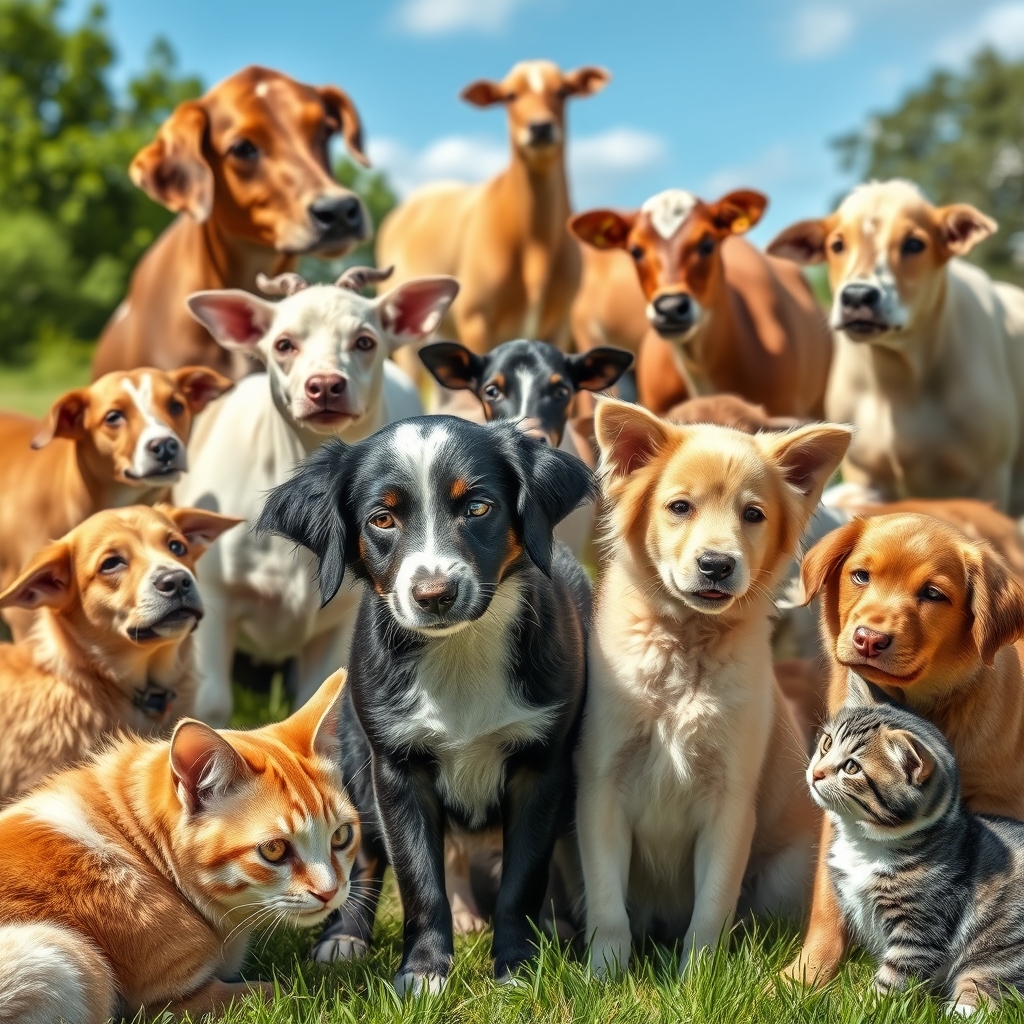
In the realm of animal welfare, the integration of Animal Assisted Intervention (AAI) and Evidence-Based Husbandry (EBH) is paving the way for a future where animals live happier, healthier lives. This innovative approach combines the therapeutic benefits of human-animal interaction with the precision of scientific care, creating a holistic model for animal well-being.
The Role of Animal Assisted Intervention in Animal Welfare
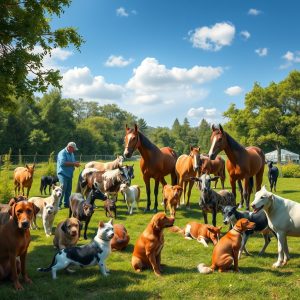
Animal Assisted Intervention (AAI) is a powerful tool in the arsenal of modern animal welfare. It involves the use of animals, such as dogs, cats, or even farm animals, to provide therapeutic support to other animals or even humans. AAI can help reduce stress, anxiety, and aggression in animals, and it can also improve their overall quality of life. Through AAI, animals can learn to interact with each other in a positive and constructive manner, fostering a sense of community and belonging.
Benefits of Animal Assisted Therapy
Animal Assisted Therapy (AAT) is a form of AAI that focuses on the therapeutic benefits of human-animal interaction. AAT has been shown to have a positive impact on both animals and humans. For animals, AAT can help reduce stress and anxiety, and it can also improve their social skills. For humans, AAT can provide emotional support, reduce stress, and improve overall well-being. AAT can be used in a variety of settings, including hospitals, schools, and homes, making it a versatile and accessible form of intervention.
Robotic Pet Therapy: A Modern Twist on AAI
Robotic Pet Therapy is an emerging field that combines the benefits of AAI with the advancements in robotics. Robotic pets, such as robotic dogs or cats, can provide companionship and emotional support to animals and humans alike. Robotic Pet Therapy can be particularly beneficial for animals that are unable to interact with live animals due to health issues or other constraints. It can also be used in settings where live animals are not feasible, such as space exploration or remote areas.
The Science Behind Evidence-Based Husbandry
Evidence-Based Husbandry (EBH) is a scientific approach to animal care that is based on the principles of animal behavior, physiology, and ecology. EBH aims to provide animals with the optimal conditions for their well-being, taking into account their individual needs and preferences. This approach is not only beneficial for the animals themselves but also for the farmers and caretakers who interact with them.
Positive Welfare Indicators
Positive Welfare Indicators (PWIs) are measurable signs of well-being in animals. These indicators can include behaviors such as grooming, resting, and socializing, as well as physiological parameters such as heart rate and body temperature. By monitoring these indicators, caretakers can gain valuable insights into the well-being of the animals and make informed decisions about their care. PWIs can also be used to assess the effectiveness of different interventions and care protocols.
Precision Livestock Farming
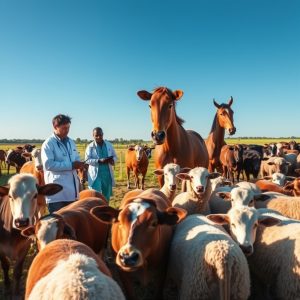
Precision Livestock Farming (PLF) is a form of EBH that uses technology to monitor and manage the health and well-being of livestock. PLF involves the use of wearable devices, such as collars or tags, to collect data on various aspects of the animals’ health, including their location, activity levels, and environmental conditions. This data can be used to identify potential health issues, optimize feeding and watering schedules, and improve overall animal welfare.
Integrating AAI and EBH for Enhanced Animal Well-Being
The integration of AAI and EBH creates a powerful synergy that can significantly enhance the well-being of animals. By combining the therapeutic benefits of AAI with the scientific precision of EBH, caretakers can provide animals with a comprehensive and holistic approach to their care. This integrated approach can help animals to thrive in their environments, both physically and emotionally.
Individualized Care Protocols
Individualized Care Protocols (ICPs) are tailored care plans that take into account the unique needs and preferences of each animal. ICPs can be developed using the data collected through EBH, as well as the insights gained through AAI. By providing animals with ICPs, caretakers can ensure that they are receiving the most appropriate and effective care possible, leading to improved well-being and quality of life.
Voluntary Participation Training
Voluntary Participation Training (VPT) is a form of AAI that focuses on teaching animals to participate in their own care and well-being. VPT involves training animals to perform tasks such as grooming, exercising, and socializing, in a voluntary and enjoyable manner. By engaging animals in their own care, VPT can help to improve their overall well-being and quality of life, while also fostering a sense of autonomy and empowerment.
Experiential Animal Learning
Experiential Animal Learning (EAL) is a form of AAI that focuses on the educational benefits of human-animal interaction. EAL can involve activities such as training, socialization, and enrichment, all of which can help animals to learn and grow in a positive and engaging manner. EAL can also provide opportunities for animals to explore and interact with their environment in a meaningful and fulfilling way, leading to improved well-being and quality of life.
In conclusion, the integration of AAI and EBH is revolutionizing the field of animal welfare. By combining the therapeutic benefits of human-animal interaction with the scientific precision of evidence-based care, caretakers can provide animals with a comprehensive and holistic approach to their well-being. This integrated approach can help animals to thrive in their environments, both physically and emotionally, leading to improved quality of life and overall well-being. As the field of animal welfare continues to evolve, the integration of AAI and EBH will play an increasingly important role in shaping the future of animal care.