The Future of Compassionate Care: How Animal Assisted Intervention and Precision Husbandry Are Redefining Welfare Through Innovation
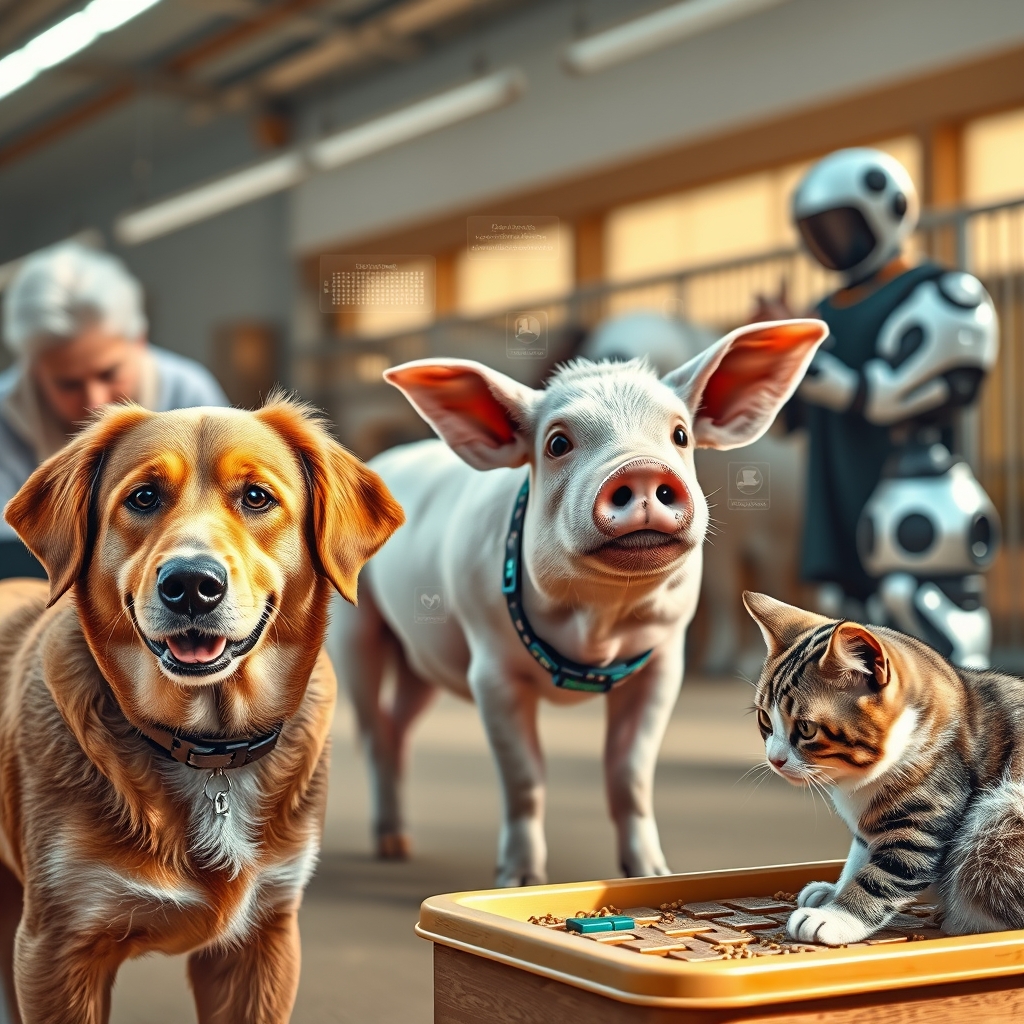
Imagine a world where every animal—whether a therapy dog, a farm pig, or a shelter cat—receives care tailored to their unique emotional and physical needs. This isn’t a distant dream; it’s the reality being shaped by Animal Assisted Intervention and evidence-based husbandry. These approaches are revolutionizing how we understand and enhance animal well-being, moving beyond traditional methods to create systems that prioritize positive welfare indicators and individualized care. The shift is profound, blending cutting-edge technology with deep empathy to ensure animals don’t just survive but thrive.
The Power of Human-Animal Interaction in Modern Care
At the heart of this transformation is the recognition that human-animal interaction is more than just companionship—it’s a therapeutic tool with measurable benefits. Animal Assisted Therapy (AAT) has long been used to support mental health, but its applications are expanding. From reducing stress in hospital patients to aiding children with autism, the bond between humans and animals is proving to be a powerful catalyst for healing. What’s changing now is how we measure and optimize these interactions.
Researchers are increasingly relying on animal behavior monitoring to assess the impact of these interventions. By tracking subtle cues—like tail wagging, ear positioning, or vocalizations—caregivers can gauge an animal’s comfort and engagement. This data-driven approach ensures that Animal Assisted Therapy isn’t just beneficial for humans but also enriching for the animals involved, aligning with principles of compassionate handling practices and ethical participation.
Precision Livestock Farming: A New Era of Individualized Care
While Animal Assisted Intervention focuses on therapeutic settings, precision livestock farming is redefining care in agricultural environments. Gone are the days of one-size-fits-all husbandry. Today, farmers are leveraging technology to implement individualized care protocols that cater to each animal’s needs. Wearable sensors, for example, track vital signs, activity levels, and even social behaviors, allowing for real-time adjustments to diet, environment, and health interventions.
This shift toward precision livestock farming isn’t just about efficiency—it’s about welfare. By identifying positive welfare indicators, such as play behavior or voluntary engagement with enrichment activities, farmers can create environments where animals exhibit natural, healthy behaviors. The result? Higher productivity, reduced stress, and a more sustainable approach to animal management.
Innovative Interventions: From Robotic Pets to Virtual Interactions
Not all animals have access to traditional human-animal interaction, but innovation is bridging the gap. Robotic pet therapy is emerging as a promising alternative, particularly in settings where live animals may not be feasible. These lifelike robots can provide companionship to elderly individuals or those in long-term care, mimicking the calming effects of real pets without the logistical challenges.
Similarly, virtual animal interaction is gaining traction, especially in urban environments where space and resources are limited. Digital platforms allow users to engage with animals through augmented reality or interactive games, fostering a sense of connection and empathy. While these technologies can’t replace the real thing, they offer a scalable way to promote animal-centered care models in spaces where traditional methods fall short.
Cognitive Enrichment and Non-Pharmacological Interventions
Enrichment isn’t just about physical stimulation—it’s about mental engagement. Cognitive animal enrichment is a growing field that focuses on challenging animals’ minds through puzzles, training, and problem-solving activities. These interventions are particularly valuable in zoos, sanctuaries, and shelters, where animals may face limited social or environmental complexity.
Pairing cognitive enrichment with non-pharmacological interventions—such as music therapy or scent-based activities—can further enhance well-being. For example, studies have shown that classical music can reduce anxiety in shelter dogs, while scent trails can stimulate curiosity in zoo animals. These low-cost, high-impact strategies are becoming staples in sustainable animal management, proving that welfare doesn’t always require expensive solutions.
Digital Health Tracking and Veterinary Accessibility
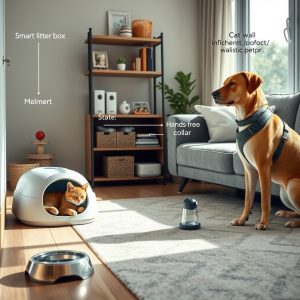
Technology is also democratizing access to veterinary care. Digital health tracking tools, like smart collars or implantable microchips, allow pet owners and caregivers to monitor health metrics remotely. This data can be shared with veterinarians, enabling early detection of issues and reducing the need for stressful clinic visits. For animals in remote or underserved areas, these innovations are a game-changer, improving veterinary care accessibility and outcomes.
Beyond individual care, digital health tracking is informing broader animal welfare assessments. By aggregating data from thousands of animals, researchers can identify trends, predict health risks, and develop best practices for compassionate handling practices. This collective intelligence is driving a shift toward proactive, rather than reactive, care.
Voluntary Participation and Experiential Learning
One of the most exciting developments in modern animal care is the emphasis on voluntary participation training. Unlike traditional training methods that rely on coercion, this approach encourages animals to engage willingly in activities, whether it’s medical procedures, enrichment, or social interactions. The result is a more trusting relationship between animals and caregivers, with measurable improvements in welfare.
Experiential animal learning takes this a step further by allowing animals to explore and interact with their environment at their own pace. This method is particularly effective in rehabilitation settings, where animals recovering from trauma or neglect can rebuild confidence through positive, self-directed experiences. By prioritizing autonomy, caregivers are fostering resilience and emotional well-being.
The Path Forward: Integrating Science and Empathy
The future of animal care lies at the intersection of innovation and compassion. Animal Assisted Intervention and evidence-based husbandry are not just trends—they’re the foundation of a new standard where every animal’s needs are understood, respected, and met. From precision livestock farming to robotic pet therapy, the tools at our disposal are expanding, but the goal remains the same: to create a world where animals live with dignity, joy, and purpose.
As technology continues to evolve, so too will our ability to measure and enhance positive welfare indicators. But the most powerful tool in this movement isn’t a sensor or a robot—it’s the human capacity for empathy. By combining data with compassion, we can ensure that the next generation of animal care is not just smarter, but kinder. The question isn’t whether we can achieve this future, but how quickly we’ll embrace it.