
The Evolution of Animal Care: How Evidence-Based Husbandry and Innovative Interventions Are Shaping a Future of Measurable Well-Being
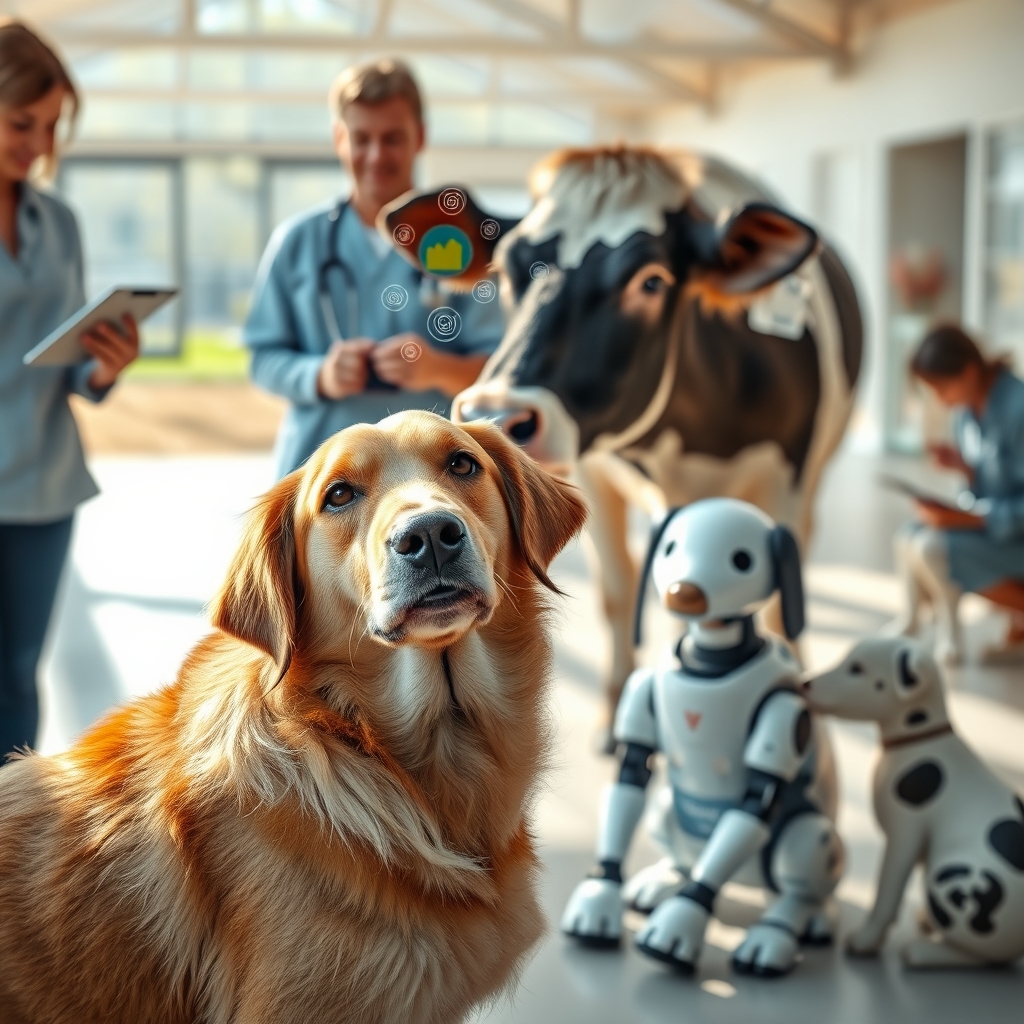
Imagine a world where every animal—whether a therapy dog, a farm-raised cow, or a household pet—receives care tailored to its unique needs, emotions, and behaviors. This isn’t a distant dream but a rapidly unfolding reality, thanks to advancements in Animal Assisted Intervention and Evidence Based Husbandry. These approaches are transforming how we understand, measure, and enhance animal welfare, moving beyond traditional methods to create systems that prioritize both science and compassion.
The Foundation of Modern Animal Welfare: Evidence-Based Husbandry
At the heart of this evolution lies Evidence Based Husbandry, a framework that relies on data, research, and observable outcomes to guide animal care practices. Unlike conventional methods that often rely on intuition or tradition, this approach leverages Precision Livestock Farming and Animal Behavior Monitoring to create environments where animals thrive. For example, sensors and AI-driven analytics can track an animal’s movement, feeding patterns, and even stress levels, allowing caregivers to intervene before issues escalate.
This shift toward data-driven care isn’t just about efficiency—it’s about empathy. By understanding the subtle cues of Positive Welfare Indicators, such as playfulness, social engagement, or voluntary participation in activities, caregivers can design Individualized Care Protocols that align with each animal’s preferences. Whether it’s a horse in a therapeutic program or a dairy cow in a modern farm, these protocols ensure that care is as unique as the animal itself.
The Role of Animal Assisted Therapy in Human and Animal Well-Being
Animal Assisted Therapy has long been celebrated for its benefits to humans, from reducing stress to improving mental health. But what’s often overlooked is how these interactions also enhance the well-being of the animals involved. Programs that incorporate Voluntary Participation Training and Compassionate Handling Practices ensure that animals are active, willing participants rather than passive tools. This mutual benefit creates a symbiotic relationship where both humans and animals experience measurable improvements in their quality of life.
For instance, therapy dogs trained using Experiential Animal Learning techniques are more engaged and less stressed during sessions. These methods focus on positive reinforcement, allowing animals to associate interactions with rewards rather than coercion. The result? A more fulfilling experience for the animal and a more effective therapeutic outcome for the human.
Beyond Traditional Therapy: The Rise of Robotic and Virtual Interventions
While live animals remain central to many therapeutic programs, innovations like Robotic Pet Therapy and Virtual Animal Interaction are expanding the possibilities of Human Animal Interaction. These technologies offer solutions for settings where live animals may not be feasible, such as hospitals with strict hygiene protocols or homes where allergies are a concern. Robotic pets, for example, can mimic the soothing presence of a real animal, providing companionship without the logistical challenges.
Similarly, Digital Health Tracking tools are revolutionizing how we monitor animal welfare. Wearable devices can track vital signs, activity levels, and even emotional states, giving caregivers real-time insights into an animal’s well-being. This technology is particularly valuable in Sustainable Animal Management systems, where the goal is to balance productivity with ethical treatment.
Redefining Care Models: From Reactive to Proactive
One of the most significant shifts in modern animal care is the move from reactive to proactive models. Traditional veterinary care often focuses on treating illness after it occurs, but Animal Centered Care Models prioritize prevention through continuous monitoring and early intervention. For example, Cognitive Animal Enrichment programs stimulate an animal’s mind, reducing boredom and stress while promoting natural behaviors. These programs can include puzzle feeders, interactive toys, or even virtual reality experiences designed to engage an animal’s senses.
Another key component of proactive care is Non Pharmacological Interventions, which address behavioral or emotional issues without relying solely on medication. Techniques like massage, aromatherapy, or environmental modifications can significantly improve an animal’s quality of life, particularly for those in high-stress environments like shelters or farms. By combining these methods with Veterinary Care Accessibility initiatives, caregivers can ensure that all animals receive the support they need, regardless of their circumstances.
The Future of Welfare Assessment: Measuring What Matters
Assessing animal welfare has historically been a challenge, as it often relies on subjective observations. However, advancements in Animal Welfare Assessment are making it possible to quantify well-being in meaningful ways. Tools like facial recognition software can detect pain or stress in animals, while biometric sensors track physiological responses to different stimuli. These innovations allow caregivers to make data-informed decisions that prioritize the animal’s emotional and physical health.
For example, a farm using Precision Livestock Farming might analyze data from multiple sources—such as feed intake, social interactions, and environmental conditions—to create a holistic view of each animal’s welfare. This approach not only improves individual outcomes but also contributes to Sustainable Animal Management by reducing resource waste and optimizing care practices.
Creating a Culture of Compassion and Innovation
The future of animal care isn’t just about technology—it’s about fostering a culture that values both innovation and empathy. Compassionate Handling Practices and Voluntary Participation Training are just as critical as the latest gadgets or algorithms. When caregivers combine these approaches, they create environments where animals feel safe, understood, and valued.
As we continue to explore the possibilities of Animal Assisted Intervention and Evidence Based Husbandry, one thing is clear: the well-being of animals is no longer a matter of guesswork. By embracing data, technology, and a deep respect for the individual, we can build a future where every animal has the opportunity to live a life that is not just free from suffering, but rich in joy, engagement, and purpose. The tools and knowledge exist—now it’s up to us to put them into practice.