The Scented Guardians: How Tracking Dogs Are the Frontline Defenders of Wildlife Crime Investigation
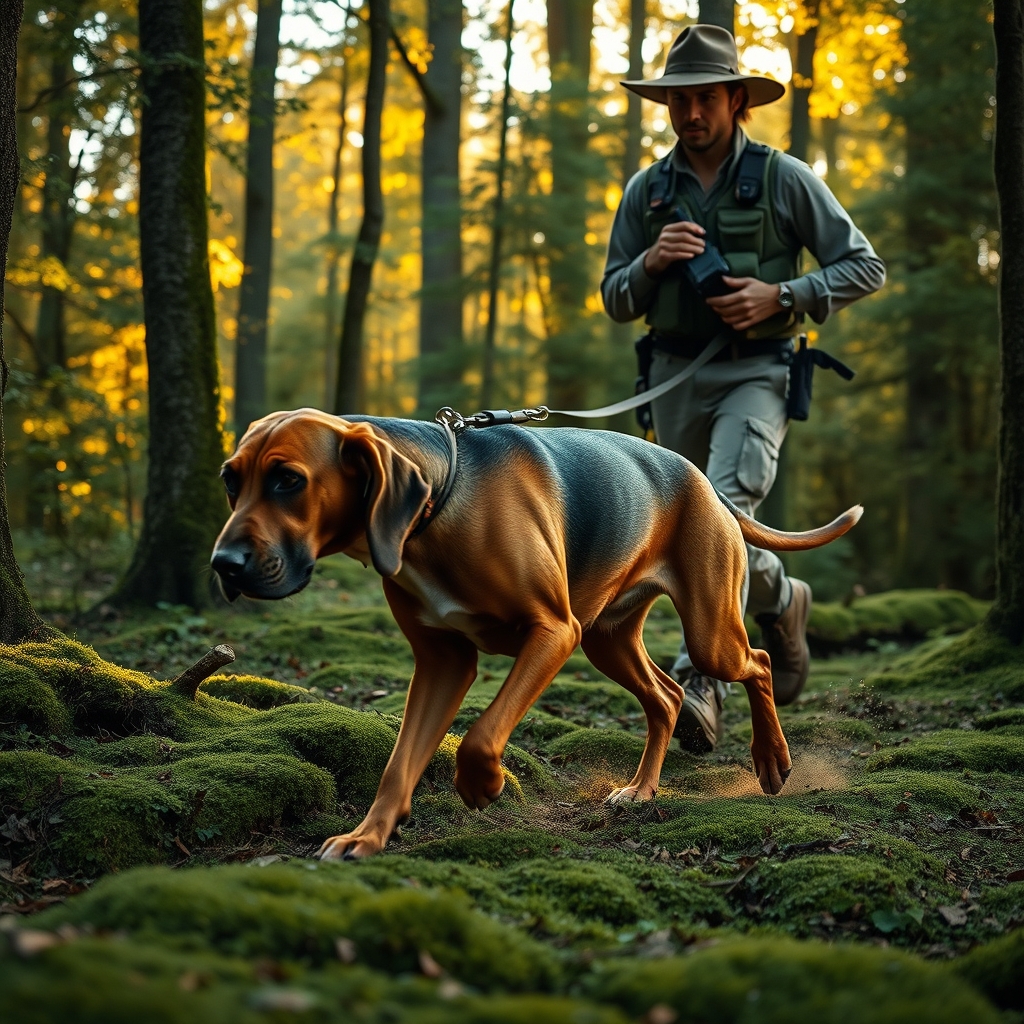
The golden light of dawn spills across the dense undergrowth, painting the forest floor in hues of amber and emerald. The air is thick with the earthy scent of damp soil and pine, a symphony of nature’s whispers that most would overlook. Yet, for one creature, this orchestra of aromas is an open book—a story waiting to be read. With a deep inhale, a sleek, muscular Bloodhound named Atlas lifts his head, his long, velvety ears swaying like pendulums as he locks onto a scent invisible to human senses. His handler, a wildlife conservation officer, watches intently as Atlas’s nostrils flare, his body tensing with purpose. This is not a hunt for game or a search for a lost hiker; it is a mission to uncover the dark underbelly of wildlife crime, where the stakes are as high as the lives of the planet’s most vulnerable species.
The Nose That Knows No Borders
Tracking dogs like Atlas are not just animals; they are the frontline defenders in the battle against poaching, illegal wildlife trafficking, and habitat destruction. Their extraordinary olfactory abilities—estimated to be between 10,000 to 100,000 times more sensitive than humans—allow them to detect scents that are days, even weeks old. While technology like drones and camera traps have revolutionized wildlife monitoring, they lack the nuanced understanding that a dog’s nose provides. A Bloodhound, for instance, can distinguish between the scent of a pangolin and a poacher’s boot, or track the faintest trace of ivory hidden in a shipping container thousands of miles from its origin. This precision makes them indispensable in an era where wildlife crime is not just a conservation issue, but a global crisis intertwined with organized crime and terrorism.
In the vast, untamed landscapes of Africa and Asia, where rhinos, elephants, and tigers roam, tracking dogs are deployed to patrol borders, inspect vehicles, and sweep through markets where illegal wildlife products are sold. Their work is often dangerous, as they face the same threats as their human counterparts—armed poachers, treacherous terrain, and the ever-present risk of encountering apex predators. Yet, their success rates are unparalleled. In South Africa’s Kruger National Park, anti-poaching K9 units have contributed to a significant decline in rhino poaching, with dogs like Atlas leading the charge. Their ability to cover ground quickly and accurately means that poachers are intercepted before they can strike, saving lives and preserving the delicate balance of ecosystems.
From Instinct to Impact: The Training Behind the Nose
The journey of a tracking dog from playful pup to elite conservation tool is one of rigorous training, unwavering trust, and an unbreakable bond with their handler. Unlike gun dogs or search-and-rescue K9s, tracking dogs for wildlife crime investigation require a unique set of skills. They must be able to differentiate between the scents of countless species, ignore distractions like the calls of wild animals or the allure of food, and remain focused in high-pressure situations. The training begins with basic obedience and scent recognition, where dogs are introduced to the smells of ivory, rhino horn, pangolin scales, and other illegal wildlife products. Positive reinforcement—treats, praise, and play—rewards them for correctly identifying these scents, reinforcing the behavior until it becomes second nature.
As the dogs advance, their training becomes more specialized. They learn to track human scent over long distances, often in challenging environments like dense forests, arid deserts, or urban areas. Handlers simulate real-life scenarios, such as tracking a poacher through a market or searching a vehicle for hidden contraband. The relationship between dog and handler is the cornerstone of this process. A well-trained tracking dog is only as effective as the person guiding them, and the bond they share is built on mutual respect, communication, and an almost telepathic understanding. This partnership is what allows them to operate seamlessly in the field, where split-second decisions can mean the difference between life and death—for both the dog and the wildlife they protect.
The Technology Behind the Track
While the instinct and training of tracking dogs are irreplaceable, modern technology has amplified their impact. GPS collars allow handlers to monitor their dogs’ movements in real-time, ensuring their safety in vast and often dangerous landscapes. Drones equipped with thermal imaging can scout ahead, identifying potential threats or targets before the dogs are deployed. In some cases, dogs are even trained to wear cameras, providing handlers with a first-person view of their surroundings. This fusion of technology and instinct creates a formidable force against wildlife crime, one that is adaptable, efficient, and relentless.
Yet, technology is not without its limitations. Batteries die, signals are lost, and equipment can fail. This is where the raw, unfiltered power of a dog’s nose shines. Unlike machines, dogs do not rely on external power sources or software updates. Their abilities are hardwired into their DNA, honed over millennia of evolution. This reliability makes them indispensable in remote or resource-limited areas, where high-tech solutions are not always feasible. In the fight against wildlife crime, tracking dogs are the ultimate equalizer—a low-tech, high-impact tool that levels the playing field between conservationists and criminals.
The Ripple Effect: How Tracking Dogs Protect More Than Just Wildlife
The impact of tracking dogs extends far beyond the immediate capture of poachers or the seizure of illegal wildlife products. Their work sends a powerful message: wildlife crime will not go unpunished. By disrupting the supply chains of illegal trafficking, they strike at the heart of a multi-billion-dollar industry that fuels corruption, funds terrorism, and destabilizes communities. In regions where poverty and lack of opportunity drive people toward poaching, the presence of tracking dogs acts as a deterrent, offering an alternative path to those who might otherwise turn to crime.
Moreover, the data collected by tracking dogs—such as the routes poachers use or the methods they employ—provides invaluable insights for conservationists. This information helps shape policies, inform law enforcement strategies, and guide habitat protection efforts. For example, if tracking dogs consistently uncover poaching activity in a particular area, conservationists can prioritize that region for increased patrols, community engagement, or habitat restoration. In this way, tracking dogs are not just enforcers of the law; they are architects of a more sustainable future, where humans and wildlife can coexist.
The Human-Animal Bond: A Force for Good
At the heart of every tracking dog’s success is the bond they share with their handler. This relationship is built on trust, respect, and an unspoken language that transcends words. Handlers often describe their dogs as partners, friends, and even family. This connection is what allows them to work as a seamless unit, where the dog’s instincts and the handler’s guidance combine to create a force greater than the sum of its parts. In the field, this bond is tested constantly—whether it’s navigating a treacherous river crossing, facing down an armed poacher, or simply enduring the physical and emotional toll of the work. Yet, it is this very bond that makes tracking dogs so effective. They are not just tools; they are living, breathing beings with personalities, quirks, and an unwavering dedication to their mission.
As the sun dips below the horizon, casting long shadows across the landscape, Atlas and his handler pause for a moment. The day’s work is done, but the mission is far from over. Somewhere in the wilderness, another scent lingers—a trace of ivory, a hint of gunpowder, the faintest whisper of a crime in progress. Tomorrow, they will rise before dawn, their senses sharpened by rest, their resolve unshaken. For tracking dogs like Atlas, the wild is not just a place to explore; it is a battleground, a sanctuary, and a home. And as long as there are those who seek to exploit it, they will be there—noses to the ground, hearts in the fight, guardians of a world that cannot speak for itself.