The Scent Architects: How Tracking Dogs Are Crafting a New Era of Wildlife Understanding
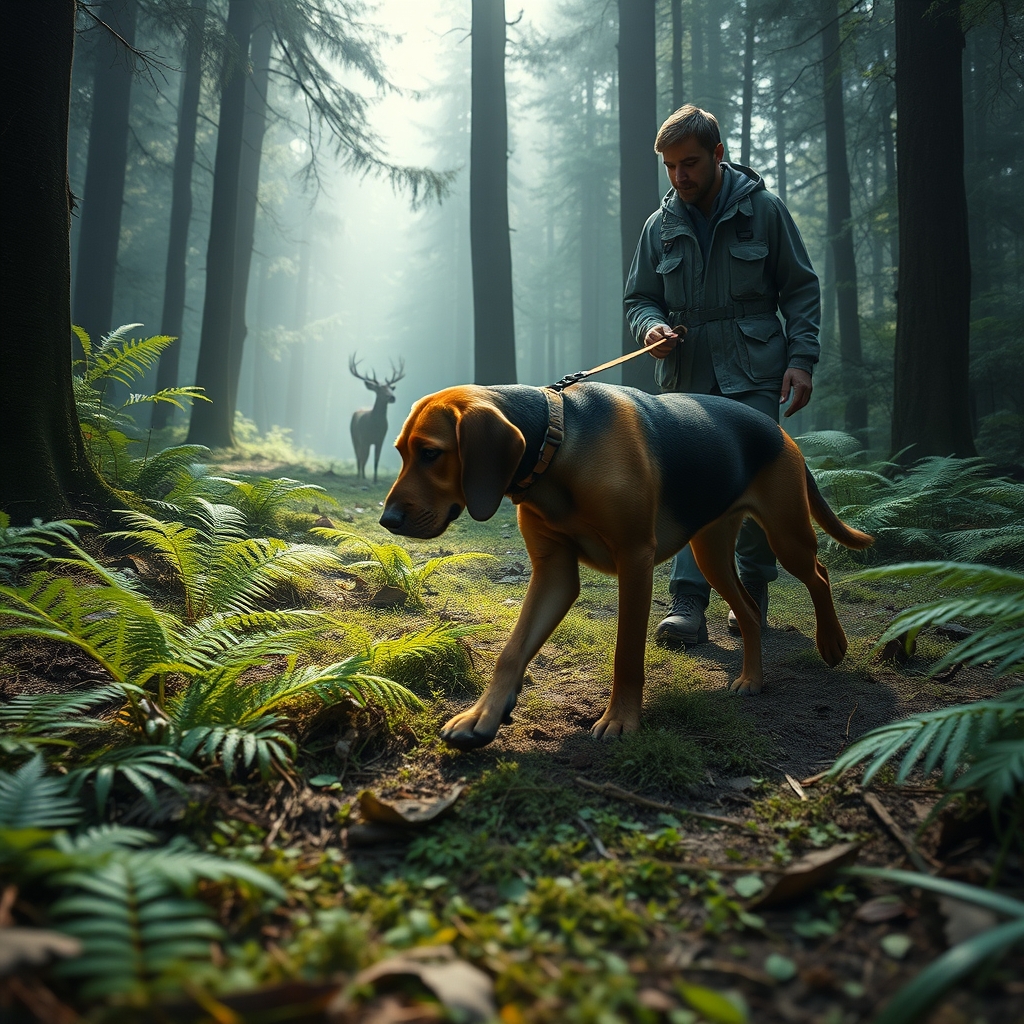
The morning mist clings to the dense undergrowth of the forest, a silent veil that softens the edges of the world. Somewhere within this green labyrinth, a creature moves—its presence betrayed only by the faintest disturbance of leaves, the occasional snap of a twig. To the untrained eye, the wilderness appears impenetrable, a tapestry of shadows and whispers. But for the tracking dog at the end of the leash, this landscape is an open book, each page rich with the stories of those who dwell within it. With a nose that can decipher the language of the wild, these dogs are not merely observers; they are the architects of a new era of wildlife understanding.
The Nose That Rewrites the Rules
At the heart of every tracking dog’s prowess lies an olfactory system that defies human comprehension. While humans possess roughly six million olfactory receptors, a Bloodhound—one of the most celebrated scent hounds—boasts an astonishing 300 million. This biological marvel allows them to detect scents that are days, even weeks old, and follow trails that twist and turn through the most challenging terrains. But what truly sets these dogs apart is their ability to distinguish between the subtlest of odors, separating the scent of a single animal from the cacophony of smells that saturate the wild.
Scientists and conservationists have long relied on technology to study wildlife, from camera traps to GPS collars. Yet, these tools often fall short when it comes to understanding the nuanced behaviors of animals in their natural habitats. Tracking dogs, however, offer something that no gadget can: a dynamic, real-time connection to the wild. They don’t just record data; they interpret it, their instincts guiding them through the wilderness with a precision that leaves researchers in awe. Whether it’s locating the elusive tracks of a snow leopard in the Himalayas or uncovering the hidden nests of endangered ground-nesting birds, these dogs are rewriting the rules of wildlife research.
The Bond That Bridges Worlds
The relationship between a tracking dog and its handler is one of the most profound partnerships in the world of wildlife conservation. It’s a bond built on trust, communication, and an unspoken understanding that transcends species. Handlers don’t just train these dogs; they learn from them, interpreting the subtle shifts in body language, the tilt of an ear, or the intensity of a sniff that signals a discovery. This symbiotic relationship is the cornerstone of their success, allowing them to navigate the complexities of the wild with a harmony that feels almost magical.
Take, for example, the work of tracking dogs in Africa’s vast savannahs, where they assist in anti-poaching efforts. These dogs are trained to detect the scent of ivory, rhino horn, and even the faintest traces of gunpowder, enabling rangers to intercept poachers before they strike. The dogs move swiftly and silently, their presence alone often enough to deter would-be criminals. But their impact goes beyond enforcement; they serve as ambassadors, bridging the gap between human communities and the wildlife they share the land with. By involving local communities in the training and care of these dogs, conservationists foster a sense of ownership and pride, turning once-indifferent observers into active participants in the protection of their natural heritage.
The Technology Behind the Nose
While the natural abilities of tracking dogs are unparalleled, modern technology is enhancing their effectiveness in ways that were once unimaginable. GPS collars, for instance, allow handlers to monitor the movements of their dogs in real-time, ensuring their safety in remote or dangerous environments. Drones equipped with thermal imaging cameras can scout ahead, identifying potential hazards or targets before the dog even begins its search. Meanwhile, advances in genetic research are enabling scientists to create scent profiles of endangered species, training dogs to recognize the unique odors of animals they’ve never encountered before.
One of the most exciting developments in this field is the use of artificial intelligence to analyze the data collected by tracking dogs. By feeding information about scent trails, animal behaviors, and environmental conditions into machine learning algorithms, researchers can identify patterns that would otherwise go unnoticed. This fusion of canine instinct and cutting-edge technology is opening new frontiers in wildlife conservation, allowing scientists to predict animal movements, track the spread of diseases, and even monitor the health of ecosystems in ways that were previously impossible.
The Ethical Compass of Conservation
As the role of tracking dogs in wildlife conservation continues to expand, so too does the responsibility to ensure their work is conducted ethically. These dogs are not tools to be exploited; they are partners deserving of respect, care, and a life that extends beyond their working years. Handlers must prioritize the well-being of their dogs, providing them with proper nutrition, veterinary care, and downtime to rest and play. Additionally, the use of tracking dogs must always be guided by a commitment to the welfare of the animals they are studying or protecting. This means minimizing stress to wildlife, avoiding invasive tracking methods, and ensuring that their work contributes to meaningful conservation outcomes.
Ethical considerations also extend to the broader implications of their work. For instance, while tracking dogs can be invaluable in anti-poaching efforts, their use must be balanced with community engagement and education. Poaching is often driven by poverty and lack of alternatives, so conservation strategies must address these root causes to be truly effective. By integrating tracking dogs into holistic conservation programs, their impact can be amplified, creating a ripple effect that benefits both wildlife and human communities.
The Legacy of the Trailblazers
The story of tracking dogs in wildlife conservation is still being written, but their legacy is already etched into the annals of scientific discovery. From the dense rainforests of the Amazon to the frozen tundras of the Arctic, these dogs have left their paw prints on some of the most remote and inhospitable landscapes on Earth. They have uncovered the secrets of elusive species, exposed the hidden threats to fragile ecosystems, and inspired a new generation of conservationists to see the wild through a different lens.
Yet, their greatest contribution may not be the data they collect or the trails they follow, but the way they remind us of our connection to the natural world. In a time when humanity’s footprint on the planet grows ever larger, tracking dogs offer a humbling perspective—a reminder that we are not the only architects of this world. The wilderness is a living, breathing entity, and these dogs are its most devoted interpreters. As they sniff out the stories of the wild, they invite us to listen, to learn, and to protect the delicate balance that sustains us all. Their work is a testament to the power of partnership, a celebration of the bond between human and animal, and a beacon of hope for the future of wildlife conservation.