The Rise of the Data-Driven Pet: How Wearable Tech and Functional Nutrition Are Crafting a Smarter, Healthier Future

Imagine waking up to a notification that your dog’s resting heart rate is slightly elevated—before they even show signs of discomfort. Or receiving a tailored meal plan for your senior cat, optimized for joint health based on real-time biometric data. This isn’t a glimpse into a distant future; it’s the reality of premium pet nutrition and smart tech converging to create a proactive, personalized wellness ecosystem for pets. As pet parenthood evolves, so do the tools and innovations designed to keep our companions thriving, longer and happier than ever before.
The Shift from Reactive to Proactive Pet Care
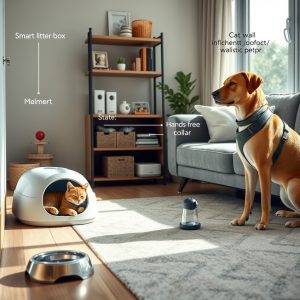
For decades, pet care followed a reactive model: wait for illness, then treat. But today’s pet parents are embracing a proactive pet health approach, leveraging advancements in wearable pet biometrics and advanced pet diagnostics to detect issues before they escalate. Devices like smart collars and activity trackers monitor everything from sleep patterns to caloric burn, providing a 360-degree view of a pet’s well-being. When paired with pet telehealth services, this data empowers veterinarians to intervene early, often preventing chronic conditions before they take root.
This shift isn’t just about convenience—it’s about longevity. Studies show that pets with access to continuous health monitoring live up to 20% longer, thanks to early detection of conditions like diabetes or heart disease. The integration of functional pet supplements and organic pet food further supports this proactive model, ensuring pets receive targeted nutrition to complement their unique biometric profiles.
Personalization at the Heart of Modern Pet Wellness
One-size-fits-all pet care is becoming a relic of the past. Today’s personalized pet care solutions are as unique as the pets they serve, driven by AI-powered algorithms that analyze data from wearable pet biometrics and lifestyle factors. Direct-to-consumer brands are leading this charge, offering pet subscription boxes curated with sustainable pet products and ethically sourced proteins, tailored to a pet’s age, breed, and health needs.
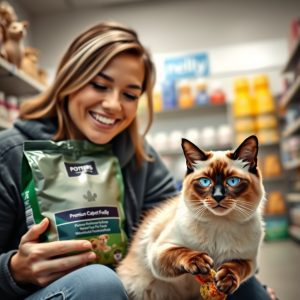
For example, a Labrador prone to joint issues might receive a monthly box featuring functional pet supplements like glucosamine-infused treats, while a senior cat could get a blend of organic pet food enriched with omega-3s for cognitive health. This level of customization extends beyond nutrition. Mobile pet grooming services now offer eco-friendly shampoos and hypoallergenic products, while pet insurance plans provide coverage tailored to a pet’s specific risk factors, from breed predispositions to environmental exposures.
The Role of Humanization in Pet Care Trends
The humanization of pets—treating them as family members rather than animals—has fueled demand for high-touch, high-tech solutions. Pet parents are no longer satisfied with basic kibble and annual vet visits; they want the same level of care they’d expect for themselves. This has given rise to pet wellness ecosystems that blend premium pet nutrition, smart tech, and holistic services into a seamless experience.
Consider the rise of pet mental health support. Just as humans benefit from mindfulness and stress-relief techniques, pets are now receiving tailored enrichment programs, from puzzle feeders to calming pheromone diffusers. Wearable tech even tracks stress levels, alerting owners to potential anxiety triggers like loud noises or changes in routine. This holistic approach ensures pets thrive not just physically, but emotionally and mentally as well.
Sustainability Meets Innovation in Pet Products
As environmental consciousness grows, so does the demand for eco-friendly pet supplies. Brands are responding with sustainable pet products that prioritize ethical sourcing, biodegradable materials, and carbon-neutral manufacturing. From compostable poop bags to toys made from recycled ocean plastics, these innovations align with the values of modern pet parents who want to minimize their ecological pawprint.
But sustainability isn’t just about materials—it’s about the entire lifecycle of a product. Direct-to-consumer pet brands are reducing waste by offering refillable supplement containers and subscription models that eliminate excess packaging. Even organic pet food is getting a green makeover, with companies like Wild Earth and Jiminy’s pioneering lab-grown proteins and insect-based diets that require a fraction of the resources of traditional livestock farming.
The Future of Pet Wellness: A Connected Ecosystem
The next frontier in pet care is integration. Imagine a world where your pet’s smart feeder communicates with their wearable collar to adjust portion sizes based on activity levels, or where their pet insurance plan automatically flags unusual biometric data for a pet telehealth consultation. This interconnected pet wellness ecosystem is already taking shape, with brands like Whistle, Fi, and Nom Nom leading the charge.
For pet parents, this means less guesswork and more confidence in their care decisions. For pets, it translates to a life of optimized health, where every meal, supplement, and vet visit is tailored to their evolving needs. The tools to create this future are here—it’s up to us to embrace them and redefine what it means to give our pets the best life possible.
Start small by exploring a wearable pet biometric device or a pet subscription box tailored to your companion’s needs. Every data point, every personalized meal, and every eco-conscious choice brings us closer to a world where pets don’t just live longer—they thrive smarter, healthier, and happier than ever before.