
The Intersection of Compassion and Technology: How Animal Assisted Intervention and Precision Husbandry Are Redefining Modern Animal Welfare
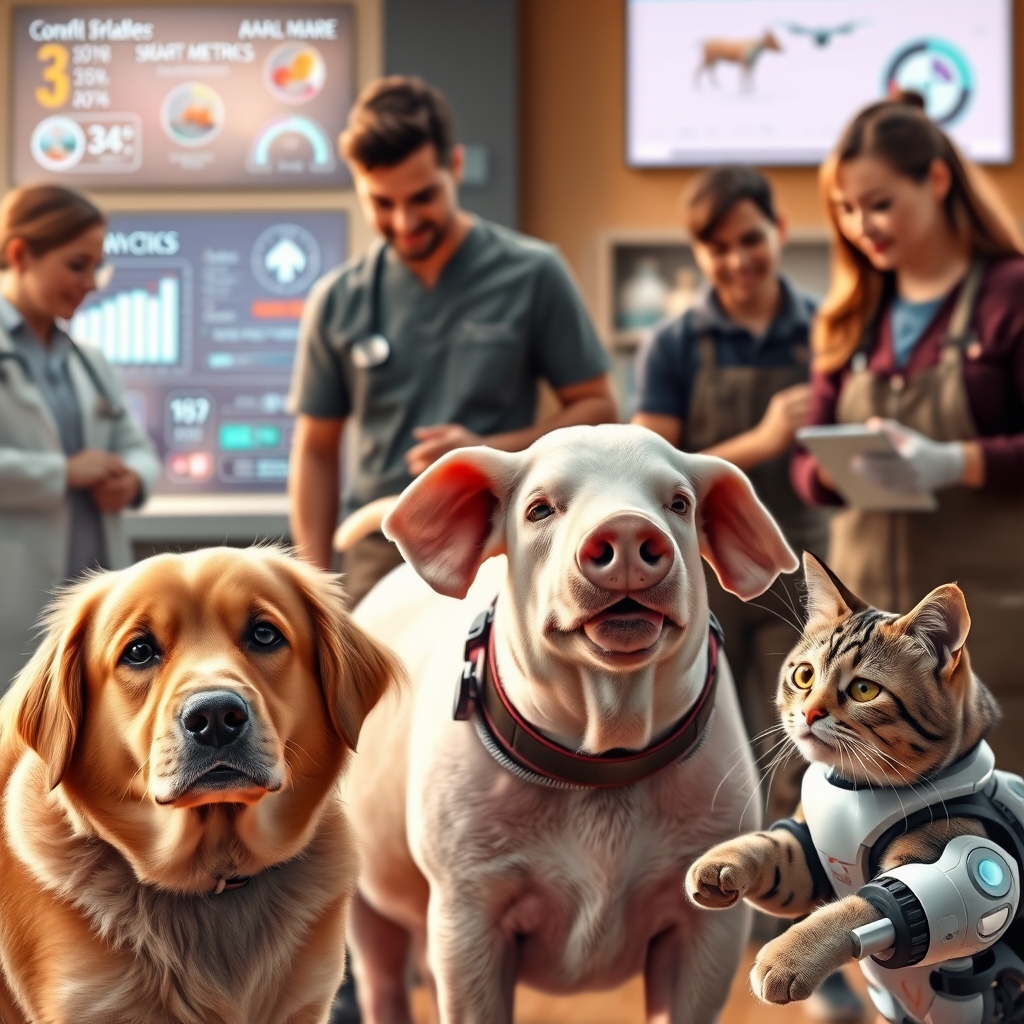
Imagine a world where every animal—whether a therapy dog, a farm pig, or a household cat—receives care tailored to their unique emotional and physical needs. This isn’t a distant dream but a rapidly unfolding reality, thanks to the fusion of Animal Assisted Intervention and Evidence Based Husbandry. These approaches are not just transforming how we interact with animals; they’re redefining what it means to ensure their well-being in a measurable, compassionate way.
The Science Behind Positive Welfare Indicators
Gone are the days when animal welfare was assessed solely through basic health metrics. Today, Positive Welfare Indicators—such as play behavior, social engagement, and voluntary participation—offer a more holistic view of an animal’s quality of life. Research shows that animals thrive when their environments are enriched, their choices respected, and their interactions meaningful. For instance, studies on Animal Assisted Therapy reveal that dogs involved in therapeutic settings exhibit lower stress levels when given autonomy over their participation.
This shift toward Animal Centered Care Models is rooted in understanding the nuanced language of animal behavior. Tools like Animal Behavior Monitoring systems use AI to track subtle changes in movement, vocalizations, and even facial expressions, allowing caregivers to intervene before stress becomes distress. The result? A proactive approach to welfare that prioritizes prevention over reaction.
How Human Animal Interaction Shapes Well-Being
The bond between humans and animals is a two-way street. Human Animal Interaction isn’t just beneficial for people—it’s a cornerstone of modern animal welfare. Programs that emphasize Compassionate Handling Practices and Voluntary Participation Training ensure that animals engage with humans on their own terms, reducing fear and fostering trust. For example, horses in equine-assisted therapy often show improved emotional resilience when their handlers use Non Pharmacological Interventions like desensitization training.
But what happens when physical interaction isn’t possible? Enter Robotic Pet Therapy and Virtual Animal Interaction. These innovations are proving invaluable in settings like hospitals and elder care facilities, where live animals may not be feasible. Studies show that robotic pets can reduce loneliness in seniors, while virtual reality experiences allow children to interact with animals in immersive, educational ways—bridging gaps without compromising welfare.
The Role of Precision Livestock Farming in Sustainable Animal Management
On farms, Precision Livestock Farming is revolutionizing how we care for animals at scale. By leveraging sensors, drones, and data analytics, farmers can monitor individual animals in real time, ensuring that each one receives Individualized Care Protocols. For instance, cows fitted with health-tracking collars can alert farmers to early signs of illness, while automated feeding systems adjust diets based on activity levels and growth rates.
This technology-driven approach doesn’t just improve efficiency—it enhances welfare. Animals in precision-managed systems often exhibit Positive Welfare Indicators like increased mobility and social cohesion. Moreover, Sustainable Animal Management practices ensure that these advancements don’t come at the expense of the environment, creating a win-win for animals and the planet.
Innovations in Cognitive Animal Enrichment
Enrichment isn’t just about toys—it’s about engaging an animal’s mind. Cognitive Animal Enrichment strategies, such as puzzle feeders and scent-based games, stimulate natural behaviors and reduce boredom. For example, zoo elephants given complex problem-solving tasks show lower rates of stereotypic behaviors, a key Positive Welfare Indicator.
Digital tools are also expanding the possibilities for enrichment. Digital Health Tracking apps allow pet owners to monitor their animal’s activity, sleep, and even mood, while Virtual Animal Interaction platforms offer interactive experiences that mimic real-world stimuli. These innovations are particularly valuable for animals in confined spaces, where traditional enrichment methods may be limited.
Bridging Gaps in Veterinary Care Accessibility
Access to veterinary care remains a challenge for many animals, but technology is helping to close the gap. Telemedicine platforms connect pet owners with veterinarians remotely, while Digital Health Tracking devices provide early warnings for potential health issues. In rural areas, mobile clinics equipped with diagnostic tools bring critical care to underserved communities, ensuring that no animal is left behind.
For animals in shelters or sanctuaries, Experiential Animal Learning programs offer a path to adoption by helping them build confidence and social skills. These programs often incorporate Animal Assisted Therapy techniques, creating a ripple effect of well-being that extends to both animals and humans.
The Future of Animal Welfare: A Call to Action
The fusion of compassion and technology is not just changing how we care for animals—it’s setting a new standard for what it means to prioritize their well-being. From Precision Livestock Farming to Robotic Pet Therapy, these innovations prove that welfare can be both measurable and meaningful. The question is no longer whether we can improve animal lives through science and empathy, but how quickly we can scale these solutions to benefit every animal, everywhere.
As caregivers, researchers, and advocates, our role is to embrace these tools while never losing sight of the individual behind the data. After all, the most advanced technology in the world can’t replace the simple, timeless truth: animals thrive when they’re seen, heard, and valued. The future of animal welfare isn’t just about smarter systems—it’s about kinder hearts.