
The Future of Animal Welfare: Harnessing the Power of Animal Assisted Intervention and Evidence-Based Husbandry
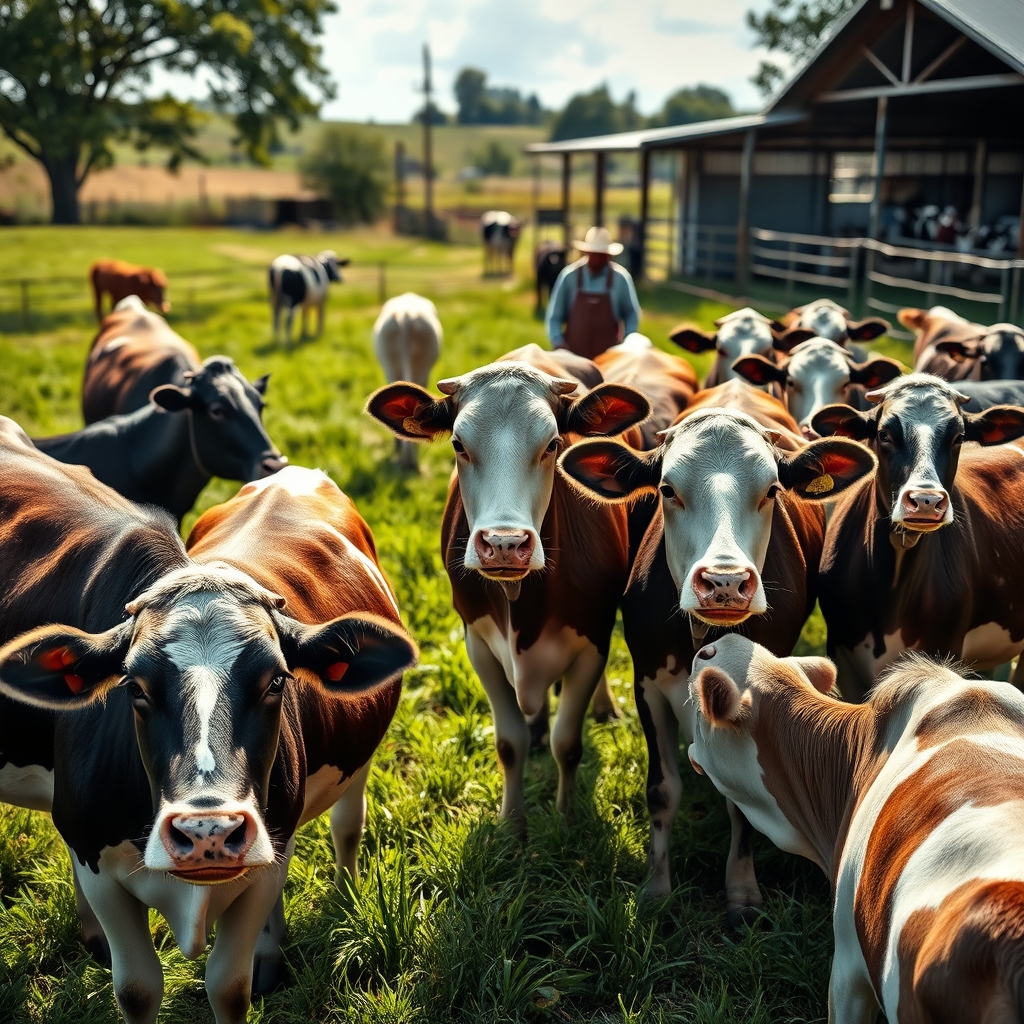
Imagine a world where animals and humans coexist in harmony, where the well-being of our animal companions is not just a secondary concern but a primary focus. This is the future we are actively shaping through the integration of Animal Assisted Intervention and Evidence-Based Husbandry. These two powerful approaches are revolutionizing the way we care for animals, ensuring their well-being is not only measurable but also tailored to their individual needs.
Understanding Animal Assisted Intervention
Animal Assisted Intervention is a holistic approach that leverages the therapeutic benefits of human-animal interaction. It encompasses various forms, from Animal Assisted Therapy, which is widely used in healthcare settings to improve patient outcomes, to Animal Behavior Monitoring, which helps us understand and respond to the emotional states of our animal companions. This intervention is not just about the animals; it’s about the profound impact they have on the well-being of humans and other animals alike.
Evidence-Based Husbandry: The Science Behind Animal Well-Being
Evidence-Based Husbandry is the scientific approach to animal care, grounded in rigorous research and data. It involves Precision Livestock Farming, where technology is used to monitor and manage animal health, and Individualized Care Protocols, which ensure that each animal receives the care it needs. This approach is not just about maintaining the status quo; it’s about elevating the standard of animal care to new heights.
The Intersection of Animal Assisted Intervention and Evidence-Based Husbandry
The true power of these two approaches lies in their intersection. By combining the emotional and psychological benefits of Animal Assisted Intervention with the scientific rigor of Evidence-Based Husbandry, we can create a comprehensive, compassionate care model. This model is not just about meeting the basic needs of animals; it’s about enhancing their quality of life, ensuring they live happy, healthy lives.
Positive Welfare Indicators: Measuring Animal Well-Being
One of the key aspects of Evidence-Based Husbandry is the use of Positive Welfare Indicators. These are measurable signs of well-being, such as voluntary participation in activities, which indicate that an animal is not just surviving but thriving. By monitoring these indicators, we can ensure that our animals are living their best lives, and that our care practices are effective.
Cognitive Animal Enrichment: Stimulating the Minds of Our Animal Companions
Another important aspect of Evidence-Based Husbandry is Cognitive Animal Enrichment. This involves activities that stimulate the mental abilities of animals, such as Experiential Animal Learning, where animals are given opportunities to learn and grow. By enriching the cognitive lives of our animal companions, we can ensure that they are not just physically healthy but also mentally stimulated and engaged.
Non-Pharmacological Interventions: A Compassionate Approach to Animal Care
Non-Pharmacological Interventions are another key component of Evidence-Based Husbandry. These are interventions that do not involve the use of drugs or other chemical substances. Instead, they focus on the natural behaviors and needs of animals, such as Compassionate Handling Practices, which ensure that animals are treated with respect and kindness. By using these interventions, we can ensure that our animals are not just healthy but also happy and well-cared for.
The Role of Technology in Animal Welfare
Technology is playing an increasingly important role in Animal Assisted Intervention and Evidence-Based Husbandry. From Digital Health Tracking, which allows us to monitor the health of animals remotely, to Virtual Animal Interaction, which provides a sense of companionship and care, technology is helping us to care for animals in ways that were once unimaginable. This is not just about convenience; it’s about ensuring that animals receive the best possible care, no matter where they are.
Sustainable Animal Management: Balancing Care and Conservation
Finally, it’s important to consider the sustainability of our animal care practices. Sustainable Animal Management involves balancing the needs of animals with the needs of the environment. This includes everything from Precision Livestock Farming, which minimizes waste and maximizes efficiency, to Animal Centered Care Models, which ensure that animals are not just cared for but also have a voice in their own care.
In conclusion, the future of animal welfare is bright. By harnessing the power of Animal Assisted Intervention and Evidence-Based Husbandry, we can create a world where animals and humans coexist in harmony, where their well-being is not just a secondary concern but a primary focus. This is not just a vision; it’s a reality that we are actively shaping, one compassionate care practice at a time.