Redefining Animal Welfare: The Intersection of Animal Assisted Intervention and Evidence-Based Husbandry
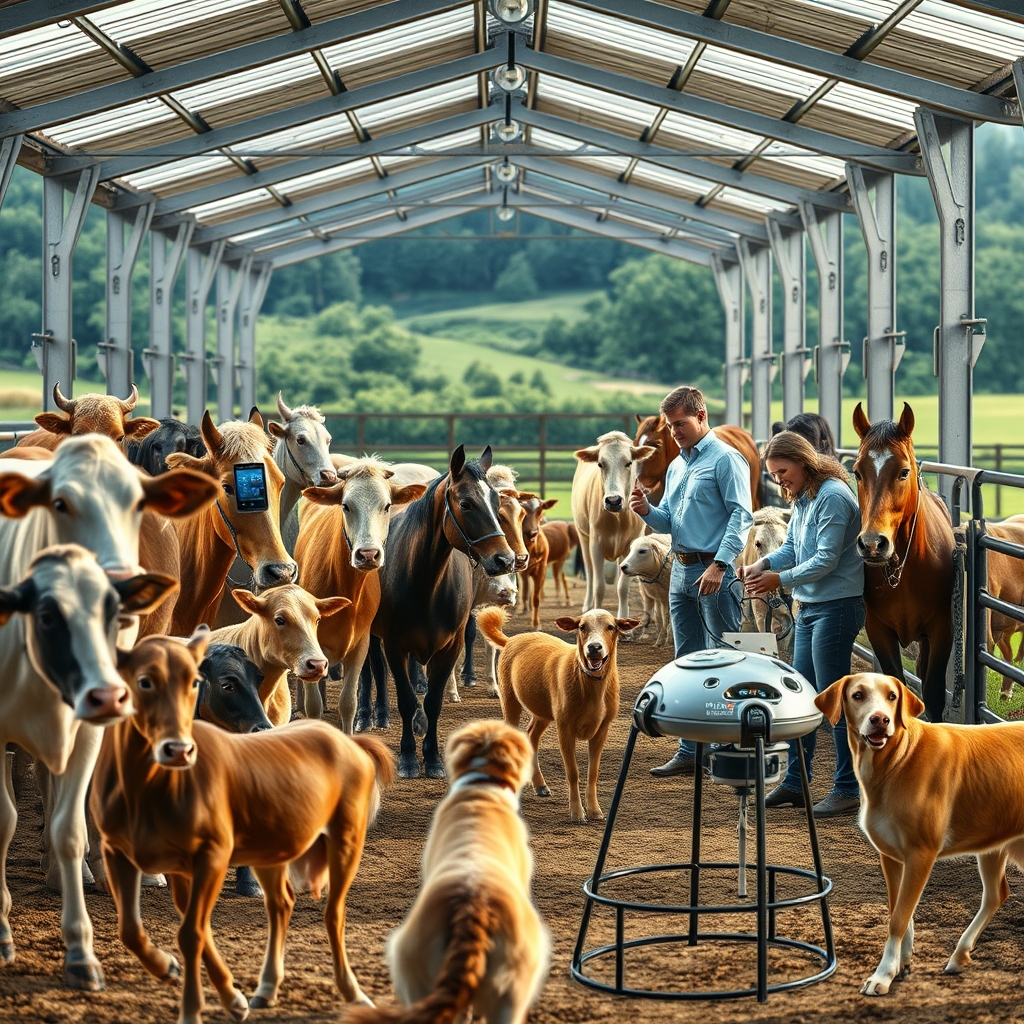
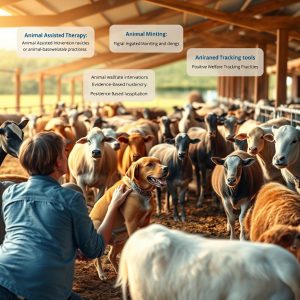
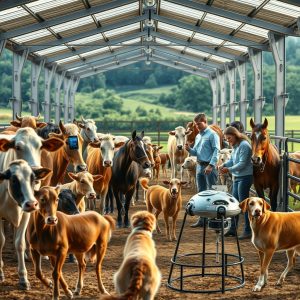
In today’s rapidly evolving world, the intersection of Animal Assisted Intervention and Evidence-Based Husbandry is revolutionizing the landscape of animal welfare. This powerful combination is not only enhancing the well-being of animals but also redefining the standards of Human-Animal Interaction and Animal Behavior Monitoring. As we delve deeper into this topic, we will explore how these interventions are creating a future of measurable, compassionate care.
Understanding Animal Assisted Intervention
Animal Assisted Intervention is a multifaceted approach that leverages the therapeutic benefits of animals to improve the well-being of both animals and humans. This intervention encompasses various forms, including Animal Assisted Therapy, where animals are used to support individuals with mental health conditions, and Robotic Pet Therapy, which uses robotic animals to simulate the comforting presence of pets.
The use of animals in therapy has been extensively studied, with research indicating that Human-Animal Interaction can significantly reduce stress, anxiety, and improve mood. This makes Animal Assisted Intervention a valuable tool in various settings, from healthcare facilities to educational institutions.
The Role of Evidence-Based Husbandry
Evidence-Based Husbandry is a systematic approach to animal care that is rooted in scientific research and data. It involves the use of Precision Livestock Farming techniques to monitor and manage animal behavior, ensuring that each animal receives Individualized Care Protocols tailored to its needs. This approach is not only beneficial for the animals but also for the farmers, as it can lead to improved productivity and sustainability.
By integrating Positive Welfare Indicators into Evidence-Based Husbandry, farmers can make more informed decisions about animal care. These indicators, such as licking, chewing, and grooming, can provide valuable insights into the emotional state and well-being of the animals. This data-driven approach to animal care is paving the way for a more compassionate and sustainable future in agriculture.
Integrating Animal Assisted Intervention and Evidence-Based Husbandry
The integration of Animal Assisted Intervention and Evidence-Based Husbandry is creating a synergy that is transforming animal welfare. By combining the therapeutic benefits of animals with the data-driven approach of Evidence-Based Husbandry, we can create a more holistic and compassionate care model.
For instance, Animal Behavior Monitoring can be used to assess the effectiveness of Animal Assisted Intervention programs. By tracking changes in behavior, such as increased interaction and reduced stress, we can measure the impact of these interventions on animal well-being. This data can then be used to refine and improve future interventions, ensuring that they are as effective as possible.
The Future of Animal Welfare
The future of animal welfare is bright, thanks to the intersection of Animal Assisted Intervention and Evidence-Based Husbandry. As technology continues to advance, so too will our ability to monitor and manage animal behavior, ensuring that each animal receives the care it deserves.
From Cognitive Animal Enrichment to Non-Pharmacological Interventions, there are countless ways in which we can improve animal well-being. By embracing these innovations and integrating them into our existing practices, we can create a future where animals live happy, healthy lives.
In this future, Virtual Animal Interaction and Digital Health Tracking will play a significant role. These technologies can provide animals with the companionship and care they need, even when they are unable to receive it in person. Additionally, Veterinary Care Accessibility will be improved, ensuring that all animals have access to the medical care they require.
As we move forward, it is essential that we continue to prioritize Compassionate Handling Practices and Animal Centered Care Models. By doing so, we can create a future where animals are treated with the respect and care they deserve. This future is not only beneficial for the animals but also for society as a whole, as it fosters a deeper understanding and appreciation for the natural world.