
Unveiling the Charm: Exploring the World of Exotic Pets
The Allure of the Uncommon: Why Exotic Pets Capture Our Hearts
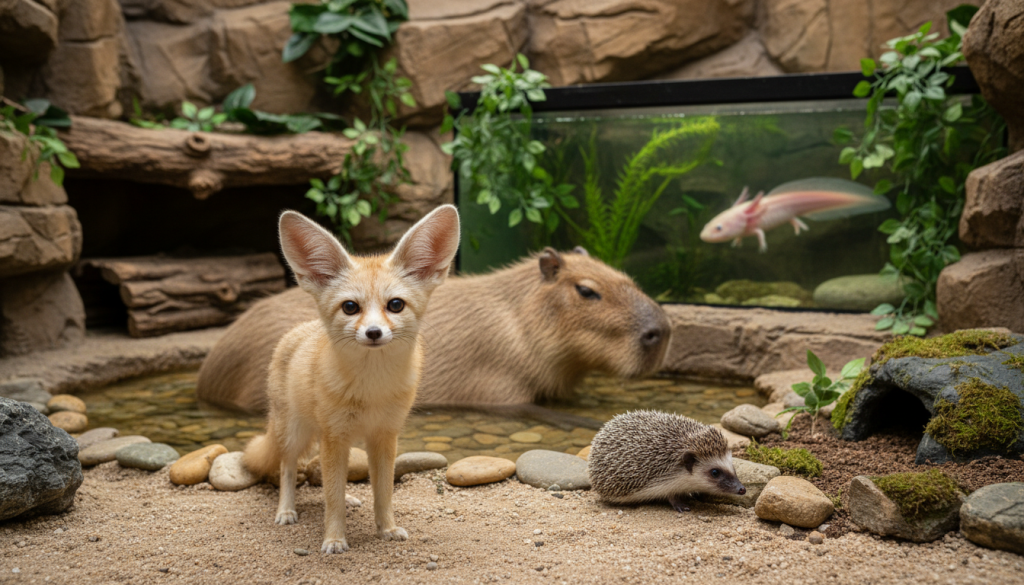
In a world where the familiar wag of a dog’s tail or the gentle purr of a cat are commonplace, a growing fascination with exotic pets is taking hold. These creatures, ranging from the desert-dwelling Fennec Fox with its oversized ears to the captivatingly serene Axolotl with its external gills, offer a unique connection to the wild and a departure from the ordinary. The decision to welcome an exotic animal into your home is not one to be taken lightly. It requires a deep understanding of their specific needs, a commitment to providing the right environment, and a willingness to learn about behaviors that differ significantly from domesticated animals. Yet, for those prepared, the rewards are immense – a chance to coexist with nature’s wonders in an intimate and educational way.
Fennec Foxes: Desert Dwellers with Big Personalities
The Fennec Fox, native to the Sahara Desert, is undeniably one of the most captivating exotic pets. Their most striking feature, those enormous ears, are not just for show; they are a vital adaptation for dissipating heat and detecting prey underground. In a home environment, these nocturnal creatures require a spacious enclosure that mimics their desert habitat, complete with sand for digging and hiding spots. Their diet should consist of specialized, high-protein kibble supplemented with insects, fruits, and vegetables. Fennec foxes are known for their playful and curious nature, often forming strong bonds with their owners. However, their high energy levels and nocturnal tendencies mean they are not suited for every household. Early socialization and consistent, positive reinforcement training are crucial for managing their energetic and sometimes mischievous behavior.
Axolotls: The Smiling Salamanders of the Aquatic World
Shifting from the arid desert to the cool, aquatic realm, the Axolotl presents a different kind of exotic appeal. These fascinating amphibians, native to Mexico, possess a unique regenerative ability, capable of regrowing limbs, organs, and even parts of their brain. Their perpetually ‘smiling’ appearance and distinct external gills make them a captivating addition to an aquarium. Maintaining an Axolotl requires specific water parameters: cool temperatures (ideally 60-68°F or 16-20°C), a filtered tank, and a substrate safe for them to burrow in. They are carnivores, and their diet typically includes earthworms, bloodworms, and specialized sinking pellets. Axolotls are generally solitary and peaceful, making them ideal for observation rather than extensive handling. Their delicate nature and specialized care needs mean prospective owners must be diligent in researching their requirements to ensure a healthy and long life.
African Pygmy Hedgehogs: Spiky Companions with Gentle Souls
African Pygmy Hedgehogs offer a unique blend of prickliness and surprising gentleness. These small mammals are crepuscular, meaning they are most active at dawn and dusk. Their defense mechanism involves curling into a tight ball of quills, but with regular, gentle handling from a young age, they can become quite comfortable with human interaction. A suitable habitat for a hedgehog includes a spacious enclosure with a solid-bottomed wheel for exercise, a hiding place, and a shallow water dish. Their diet should be primarily insectivorous, consisting of high-quality cat kibble supplemented with mealworms and other safe insects. It’s essential to maintain a warm environment, as they are susceptible to cold. While their quills might seem intimidating, their quiet demeanor and independent nature make them an appealing choice for those seeking a less demanding exotic pet than, say, a Fennec Fox.
Serval Cats: The Wild Grace of a Medium-Sized Wild Cat
For those with a serious commitment and the resources to provide for them, Serval cats represent a step closer to wild feline beauty. These striking medium-sized wild cats are known for their long legs, large ears, and spotted coats, reminiscent of a miniature cheetah. Owning a Serval is a significant undertaking, often requiring specialized enclosures, specific diets, and a deep understanding of their wild instincts. In many regions, strict regulations govern their ownership. Servals are intelligent, active, and can be aloof, though they can form bonds with their owners. Their predatory nature and need for extensive stimulation mean they require experienced handlers and ample space to roam and hunt (simulated, of course). They are not a pet for the novice or the unprepared, demanding a lifestyle adjustment for their human companions.
Capybaras: The Gentle Giants of the Rodent World
The Capybara, the world’s largest rodent, hails from South America and is known for its incredibly docile and social nature. These semi-aquatic mammals thrive in environments that provide access to water for swimming and cooling off. A large pond or pool is essential for their well-being, along with ample grazing space. Their diet consists primarily of grasses and aquatic plants, supplemented with specialized rodent pellets. Capybaras are highly social animals and often do best when kept in pairs or groups, though they can form strong bonds with humans. Their gentle temperament and calm demeanor have made them increasingly popular, but their size and specific environmental needs mean they require significant space and commitment. They are truly gentle giants, embodying a unique blend of wildness and domesticity.
The Responsibility and Reward of Exotic Pet Ownership
The allure of exotic pets lies in their uniqueness and the opportunity they provide for a deeper connection with the natural world. From the playful antics of a Sugar Glider to the stoic presence of a Ball Python, each species brings its own set of wonders and challenges. However, it is paramount that potential owners conduct thorough research, understand the legalities, and commit to providing the specialized care these animals require. This includes not only diet and habitat but also understanding their social needs, behavioral patterns, and potential health concerns. The exotic pet trade also carries ethical considerations; responsible sourcing and supporting reputable breeders are crucial. While the journey of caring for an exotic animal can be demanding, the experience of observing and interacting with these extraordinary creatures offers unparalleled insights into biodiversity and the intricate beauty of life beyond our typical domestic companions.