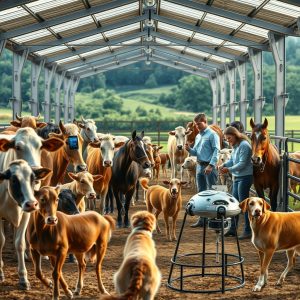
Unlocking the Secrets of Animal Well-Being: The Power of Animal Assisted Intervention and Evidence-Based Husbandry
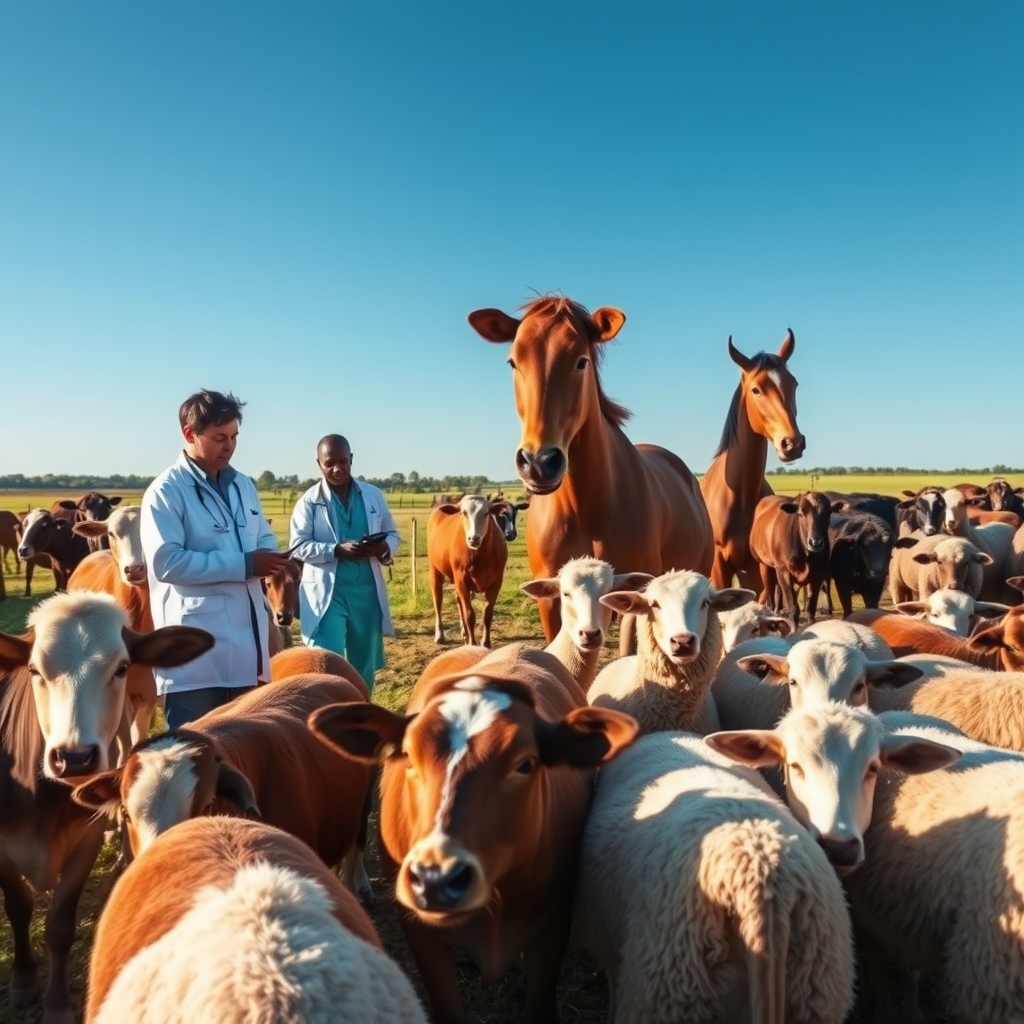
In a world increasingly aware of the importance of animal welfare, the integration of Animal Assisted Intervention (AAI) and Evidence-Based Husbandry (EBH) is revolutionizing the way we care for our animal companions. This powerful combination is not just about improving animal well-being; it’s about creating a more compassionate, science-backed approach to animal care.
The Intersection of Animal Assisted Intervention and Evidence-Based Husbandry
Animal Assisted Intervention, or AAI, is a holistic approach that uses the presence of animals to improve the well-being of individuals, communities, and the environment. It’s a non-pharmacological intervention that has been shown to reduce stress, improve mood, and enhance overall well-being. Evidence-Based Husbandry, on the other hand, is a science-backed approach to animal care that focuses on the individual needs of each animal, ensuring their well-being is prioritized.
When these two approaches are combined, they create a powerful synergy. AAI provides a compassionate, animal-centered care model, while EBH provides the scientific backbone to ensure that this care is effective and measurable. This intersection is redefining animal welfare, creating a future where animals are not just cared for, but truly thrive.
The Power of Positive Welfare Indicators
One of the key benefits of integrating AAI and EBH is the ability to measure and track animal well-being. Positive Welfare Indicators, such as reduced stress levels, improved behavior, and increased interaction, can be used to assess the effectiveness of these interventions. This data-driven approach allows for continuous improvement and ensures that animal well-being is always a priority.
For instance, Animal Assisted Therapy (AAT) can be used to improve the well-being of individuals, but it can also be adapted for animals. By understanding the positive welfare indicators of animals, we can create more effective and compassionate care models. This is a significant step towards creating a future where animal well-being is not just a goal, but a measurable reality.
Human-Animal Interaction and Robotic Pet Therapy
Human-Animal Interaction (HAI) is a cornerstone of AAI. It’s a two-way street where both humans and animals benefit from the interaction. This interaction can be face-to-face, but it can also be virtual, through the use of robotic pet therapy. Robotic pet therapy is a fascinating area of research that combines the benefits of animal interaction with the convenience of technology.
This approach is particularly beneficial in situations where face-to-face interaction is not possible. It allows for a form of animal interaction that is both compassionate and effective. As our understanding of animal behavior and well-being continues to evolve, so too will our ability to create innovative and compassionate care models.
Precision Livestock Farming and Animal Behavior Monitoring
In the world of livestock farming, Precision Livestock Farming (PLF) is revolutionizing the way we care for our animals. PLF uses technology to monitor and track animal behavior, ensuring that each animal’s individual needs are met. This approach is not just about improving animal well-being; it’s about creating a more sustainable and efficient farming system.
Animal Behavior Monitoring (ABM) is a key component of PLF. By understanding the behavior of our animals, we can create more effective and compassionate care models. This is a significant step towards creating a future where animal well-being is not just a goal, but a measurable reality.
Individualized Care Protocols and Voluntary Participation Training
Individualized Care Protocols (ICP) are a cornerstone of EBH. They ensure that each animal’s individual needs are met, creating a more compassionate and effective care model. Voluntary Participation Training (VPT) is a key component of ICP. It ensures that animals are not just cared for, but are also given the opportunity to participate in their own care.
This approach is not just about improving animal well-being; it’s about creating a more compassionate and effective care model. By understanding the behavior and needs of our animals, we can create more effective and compassionate care models. This is a significant step towards creating a future where animal well-being is not just a goal, but a measurable reality.
Experiential Animal Learning and Sustainable Animal Management
Experiential Animal Learning (EAL) is a fascinating area of research that combines the benefits of animal interaction with the principles of experiential learning. This approach is particularly beneficial in situations where animals need to learn new behaviors or skills. By providing a rich, interactive environment, we can create more effective and compassionate care models.
Sustainable Animal Management (SAM) is a key component of EAL. It ensures that our care models are not just effective, but also sustainable. This is a significant step towards creating a future where animal well-being is not just a goal, but a measurable reality.
Animal-Centered Care Models and Animal Welfare Assessment
Animal-Centered Care Models (ACCM) are a cornerstone of AAI. They ensure that the needs and well-being of animals are always a priority. Animal Welfare Assessment (AWA) is a key component of ACCM. It allows us to measure and track animal well-being, ensuring that our care models are effective and compassionate.
This approach is not just about improving animal well-being; it’s about creating a more compassionate and effective care model. By understanding the behavior and needs of our animals, we can create more effective and compassionate care models. This is a significant step towards creating a future where animal well-being is not just a goal, but a measurable reality.
Cognitive Animal Enrichment and Non-Pharmacological Interventions
Cognitive Animal Enrichment (CAE) is a fascinating area of research that combines the benefits of animal interaction with the principles of cognitive enrichment. This approach is particularly beneficial in situations where animals need to learn new behaviors or skills. By providing a rich, interactive environment, we can create more effective and compassionate care models.
Non-Pharmacological Interventions (NPI) are a key component of CAE. They ensure that our care models are not just effective, but also humane. This is a significant step towards creating a future where animal well-being is not just a goal, but a measurable reality.
Virtual Animal Interaction and Digital Health Tracking
Virtual Animal Interaction (VAI) is a fascinating area of research that combines the benefits of animal interaction with the convenience of technology. This approach is particularly beneficial in situations where face-to-face interaction is not possible. It allows for a form of animal interaction that is both compassionate and effective.
Digital Health Tracking (DHT) is a key component of VAI. It allows us to measure and track animal well-being, ensuring that our care models are effective and compassionate. This is a significant step towards creating a future where animal well-being is not just a goal, but a measurable reality.
Veterinary Care Accessibility and Compassionate Handling Practices
Veterinary Care Accessibility (VCA) is a cornerstone of AAI. It ensures that all animals, regardless of their location or situation, have access to the veterinary care they need. Compassionate Handling Practices (CHP) are a key component of VCA. They ensure that animals are handled in a way that is both humane and effective.
This approach is not just about improving animal well-being; it’s about creating a more compassionate and effective care model. By understanding the behavior and needs of our animals, we can create more effective and compassionate care models. This is a significant step towards creating a future where animal well-being is not just a goal, but a measurable reality.
In conclusion, the integration of Animal Assisted Intervention and Evidence-Based Husbandry is revolutionizing the way we care for our animal companions. This powerful combination is not just about improving animal well-being; it’s about creating a more compassionate, science-backed approach to animal care. By understanding the behavior and needs of our animals, we can create more effective and compassionate care models. This is a significant step towards creating a future where animal well-being is not just a goal, but a measurable reality. The future of animal well-being is here, and it’s more compassionate than ever before.