Transforming Animal Welfare: The Power of Animal Assisted Intervention and Evidence-Based Husbandry
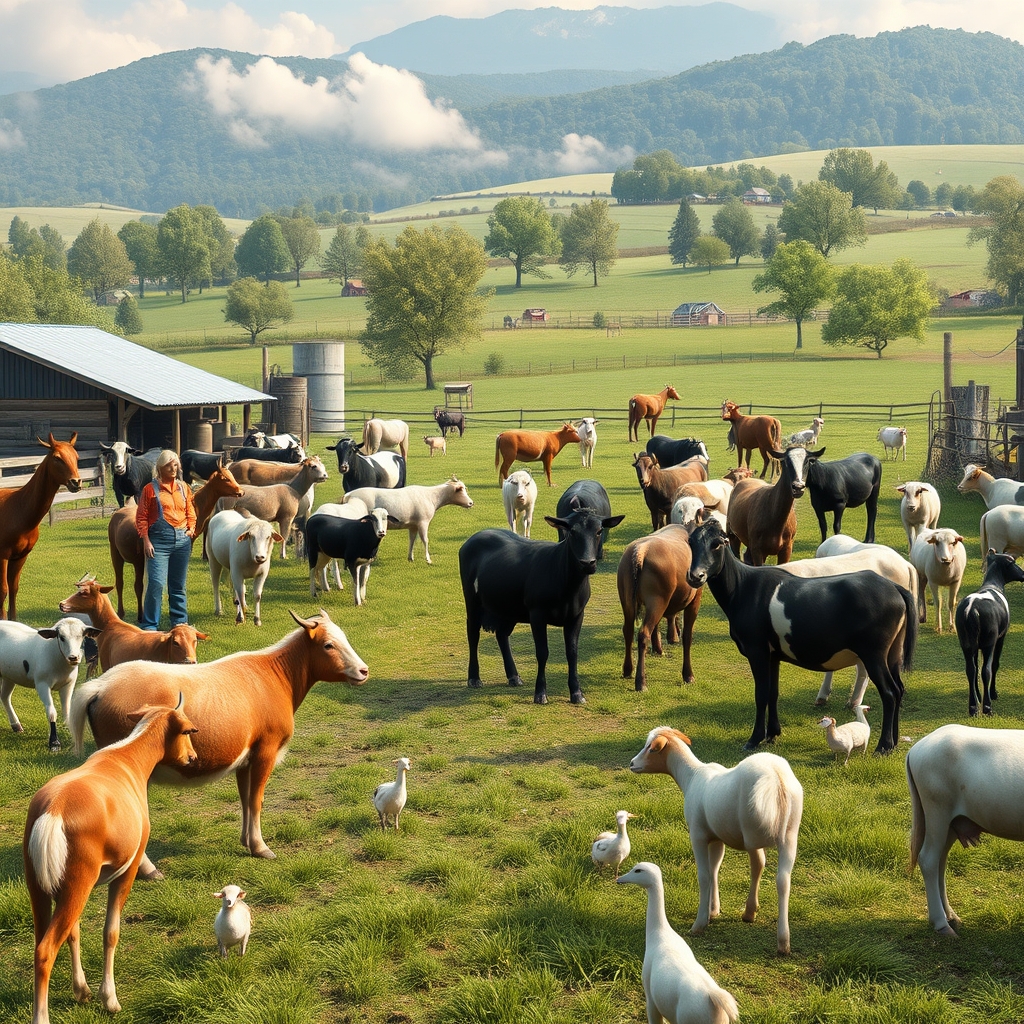
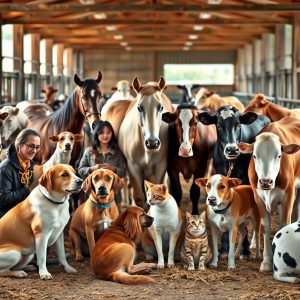
Imagine a world where animals live in environments that are not just functional but also nurturing, where their well-being is not just monitored but actively managed. This is the future of animal welfare, and it’s being shaped by the convergence of animal assisted intervention and evidence-based husbandry.
Understanding Animal Assisted Intervention and Evidence-Based Husbandry
Animal assisted intervention (AAI) is a holistic approach that integrates animals into therapeutic and educational settings to promote healing and learning. It’s not just about the presence of animals; it’s about the quality of their interactions and the impact they have on the well-being of the humans and animals involved.
Evidence-based husbandry, on the other hand, is a science-driven approach to animal care that focuses on measurable, positive welfare indicators. It involves the use of technology, such as animal behavior monitoring and digital health tracking, to ensure that animals are living their best lives.
The Intersection of AAI and Evidence-Based Husbandry
The intersection of AAI and evidence-based husbandry is creating a new paradigm in animal welfare. By combining the emotional and psychological benefits of animal interactions with the data-driven insights of evidence-based husbandry, we can create environments that are truly compassionate and effective.
For instance, robotic pet therapy is an innovative application of AAI that uses lifelike robots to simulate the presence of a pet. This can be particularly beneficial in settings where live animals are not feasible, such as hospitals or schools. The use of digital health tracking allows us to monitor the well-being of these robots and ensure they are providing the desired therapeutic effects.
Precision Livestock Farming and Individualized Care Protocols
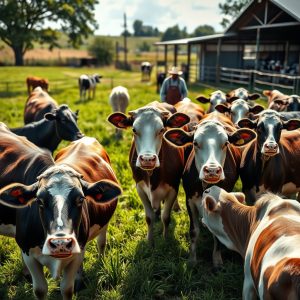
Precision livestock farming is another area where AAI and evidence-based husbandry are making a significant impact. By using animal behavior monitoring and digital health tracking, farmers can gain real-time insights into the well-being of their animals. This allows for the implementation of individualized care protocols, where each animal receives care that is tailored to its specific needs.
For example, voluntary participation training can be used to ensure that animals are comfortable and willing to engage in various husbandry practices. This not only improves their well-being but also enhances the efficiency of the farming operation.
Experiential Animal Learning and Cognitive Animal Enrichment
Experiential animal learning and cognitive animal enrichment are other areas where AAI and evidence-based husbandry are revolutionizing animal care. By providing animals with opportunities to learn and engage in mentally stimulating activities, we can improve their overall well-being.
For instance, animal assisted therapy programs can be designed to incorporate experiential learning, where animals and humans work together to solve problems or complete tasks. This not only benefits the animals but also enhances the therapeutic outcomes for the humans involved.
Sustainable Animal Management and Animal-Centered Care Models
Sustainable animal management is a key focus of evidence-based husbandry, and AAI can play a significant role in this. By promoting positive welfare indicators and ensuring that animals are living in environments that are both functional and enriching, we can create more sustainable and humane farming practices.
Animal-centered care models, which prioritize the well-being and needs of the animals, are also being supported by the integration of AAI and evidence-based husbandry. These models recognize that animals are not just resources but sentient beings that deserve to be treated with compassion and respect.
Non-Pharmacological Interventions and Virtual Animal Interaction
Non-pharmacological interventions, such as AAI, are gaining recognition as effective alternatives to traditional pharmaceutical approaches. By focusing on the underlying causes of behavioral and physical issues, we can create more holistic and sustainable solutions.
Virtual animal interaction is another innovative application of AAI that is gaining traction. By using virtual reality technology, humans can interact with animals in ways that were previously not possible. This can be particularly beneficial in settings where live animals are not feasible or where the human-animal bond is being strengthened.
Veterinary Care Accessibility and Compassionate Handling Practices
Veterinary care accessibility is a critical aspect of animal welfare, and AAI can play a role in improving this. By providing animals with opportunities to interact with humans and other animals in a positive and enriching way, we can reduce stress and anxiety, which can improve their overall health and well-being.
Compassionate handling practices are also being supported by the integration of AAI and evidence-based husbandry. By prioritizing the well-being and needs of the animals, we can create more humane and effective handling practices that minimize stress and maximize learning and bonding opportunities.
In conclusion, the power of animal assisted intervention and evidence-based husbandry is transforming the way we think about and care for animals. By combining the emotional and psychological benefits of animal interactions with the data-driven insights of evidence-based husbandry, we can create environments that are truly compassionate and effective. As we continue to explore and innovate in these areas, we can look forward to a future where animals live in environments that are not just functional but also nurturing, where their well-being is not just monitored but actively managed.