The Future of Animal Welfare: Integrating Animal Assisted Intervention and Evidence-Based Husbandry for Enhanced Well-Being
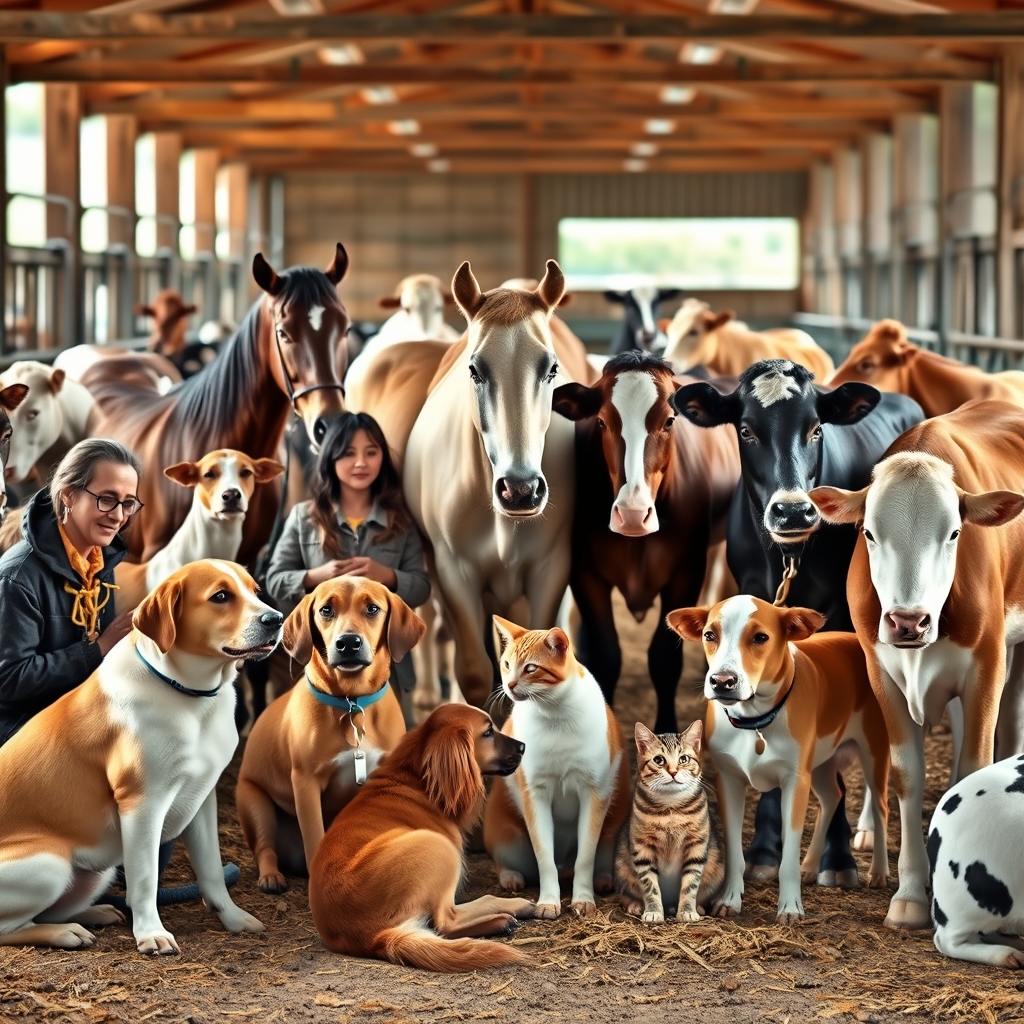
In a world where the bond between humans and animals is more profound than ever, the integration of Animal Assisted Intervention (AAI) and Evidence-Based Husbandry (EBH) is paving the way for a future of enhanced animal well-being. This innovative approach combines the therapeutic benefits of human-animal interaction with the scientific rigor of precision livestock farming, creating a holistic model for compassionate care.
Understanding Animal Assisted Intervention and Evidence-Based Husbandry
Animal Assisted Intervention, or AAI, is a therapeutic approach that uses the interaction between humans and animals to promote physical, mental, and emotional well-being. This can range from traditional animal-assisted therapy to more innovative robotic pet therapy. On the other hand, Evidence-Based Husbandry, or EBH, is a data-driven approach to animal care that focuses on individual needs, sustainable management, and measurable outcomes. Together, AAI and EBH create a powerful synergy that enhances animal welfare.
The Role of Positive Welfare Indicators
Positive Welfare Indicators (PWIs) are measurable signs of well-being in animals. They can include behavior monitoring, cognitive enrichment, and voluntary participation training. By integrating AAI and EBH, we can create individualized care protocols that enhance these indicators. For instance, animals in AAI programs often exhibit signs of reduced stress and increased happiness, which can be quantified and tracked using EBH methods.
Human-Animal Interaction: A Key Component
Human-Animal Interaction (HAI) is a cornerstone of AAI. It involves activities that promote a positive relationship between humans and animals, such as petting, feeding, and playing. HAI can have a profound impact on animal behavior and well-being, and when combined with EBH, it becomes even more effective. For example, animals that participate in HAI activities often show signs of improved social behavior and reduced aggression.
Precision Livestock Farming and Animal Behavior Monitoring
Precision Livestock Farming (PLF) is a data-driven approach to animal husbandry that uses technology to monitor and manage animal behavior and health. It involves the use of wearables, sensors, and other digital tools to track animal movements, health, and well-being. When combined with AAI, PLF can provide a comprehensive view of animal behavior and well-being, allowing for more effective interventions.
Individualized Care Protocols
Individualized Care Protocols (ICPs) are tailored care plans for animals based on their unique needs and behaviors. They are a key component of EBH and can be enhanced by AAI. For instance, animals that show signs of stress or anxiety in PLF data can be targeted for AAI interventions, such as one-on-one interaction with a trained therapist. This personalized approach ensures that each animal receives the care it needs to thrive.
Voluntary Participation Training
Voluntary Participation Training (VPT) is a method of training animals to participate in AAI activities willingly. It involves positive reinforcement and reward-based learning to encourage animals to engage in therapeutic activities. VPT can be particularly effective in animal-assisted therapy programs, where the willingness of animals to participate can greatly impact the therapeutic outcome.
Experiential Animal Learning and Sustainable Animal Management
Experiential Animal Learning (EAL) is a learning approach that involves hands-on, real-world experiences with animals. It can be used to teach humans about animal behavior and well-being, as well as to enhance the therapeutic benefits of AAI. EAL can be particularly effective in animal-centered care models, where the focus is on the animal’s well-being and learning.
Sustainable Animal Management
Sustainable Animal Management (SAM) is an approach to animal husbandry that focuses on the long-term well-being of animals and their environment. It involves the use of non-pharmacological interventions, such as AAI, to promote animal health and well-being. SAM can be enhanced by EBH, which provides a data-driven approach to monitoring and managing animal behavior and health.
Animal Centered Care Models
Animal-Centered Care Models (ACMs) are care approaches that focus on the animal’s needs and well-being. They can be enhanced by AAI and EBH, which provide a holistic view of animal behavior and well-being. ACMs can be particularly effective in animal-assisted therapy programs, where the focus is on the animal’s well-being and the therapeutic benefits of human-animal interaction.
Animal Welfare Assessment and Cognitive Animal Enrichment
Animal Welfare Assessment (AWA) is a method of evaluating animal well-being based on various indicators, such as behavior, health, and environment. It can be enhanced by AAI and EBH, which provide a comprehensive view of animal behavior and well-being. AWA can be used to inform the development of individualized care protocols and to monitor the effectiveness of AAI interventions.
Cognitive Animal Enrichment
Cognitive Animal Enrichment (CAE) is an approach to animal enrichment that focuses on stimulating an animal’s cognitive abilities. It can be enhanced by AAI, which provides a unique opportunity for animals to engage in complex, interactive activities. CAE can be particularly effective in animal-assisted therapy programs, where the focus is on the animal’s cognitive well-being and the therapeutic benefits of human-animal interaction.
Non-Pharmacological Interventions
Non-Pharmacological Interventions (NPIs) are interventions that do not involve the use of drugs or medications. They can include AAI, which provides a therapeutic approach to animal well-being. NPIs can be particularly effective in animal-assisted therapy programs, where the focus is on the animal’s well-being and the therapeutic benefits of human-animal interaction.
Virtual Animal Interaction and Digital Health Tracking
Virtual Animal Interaction (VAI) is an approach to animal interaction that uses virtual reality or other digital tools to create a virtual environment for animals. It can be enhanced by EBH, which provides a data-driven approach to monitoring and managing animal behavior and health. VAI can be particularly effective in animal-assisted therapy programs, where the focus is on the animal’s well-being and the therapeutic benefits of human-animal interaction.
Digital Health Tracking
Digital Health Tracking (DHT) is a method of monitoring animal health and well-being using digital tools, such as wearables and sensors. It can be enhanced by AAI, which provides a therapeutic approach to animal well-being. DHT can be particularly effective in animal-assisted therapy programs, where the focus is on the animal’s well-being and the therapeutic benefits of human-animal interaction.
Veterinary Care Accessibility
Veterinary Care Accessibility (VCA) is a method of ensuring that animals have access to veterinary care. It can be enhanced by AAI and EBH, which provide a comprehensive view of animal behavior and well-being. VCA can be particularly effective in animal-assisted therapy programs, where the focus is on the animal’s well-being and the therapeutic benefits of human-animal interaction.
Compassionate Handling Practices
Compassionate Handling Practices (CHPs) are methods of handling animals that focus on minimizing stress and maximizing well-being. They can be enhanced by AAI and EBH, which provide a comprehensive view of animal behavior and well-being. CHPs can be particularly effective in animal-assisted therapy programs, where the focus is on the animal’s well-being and the therapeutic benefits of human-animal interaction.
The integration of Animal Assisted Intervention and Evidence-Based Husbandry is revolutionizing the way we approach animal care. By combining the therapeutic benefits of human-animal interaction with the scientific rigor of precision livestock farming, we can create a holistic model for compassionate care. This approach not only enhances animal well-being but also provides valuable insights into animal behavior and health. As we continue to explore the intersection of compassion and technology, the future of animal welfare looks brighter than ever.