The Future of Animal Welfare: Integrating Animal Assisted Intervention and Evidence-Based Husbandry for Enhanced Well-Being
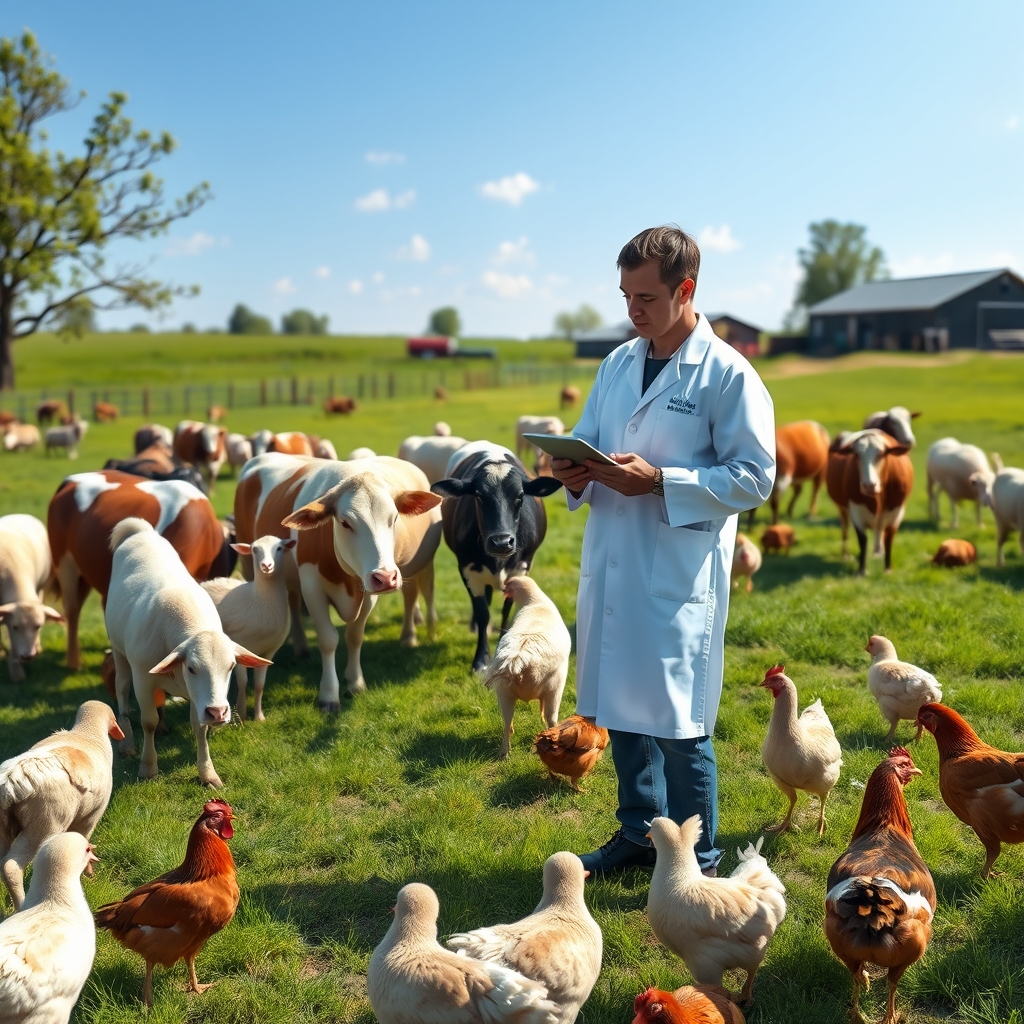
In the rapidly evolving landscape of animal welfare, the integration of animal assisted intervention (AAI) and evidence-based husbandry (EBH) is paving the way for a future where animals live healthier, happier lives. This innovative approach combines the therapeutic benefits of human-animal interaction with the scientific rigor of precision livestock farming, creating a holistic model for animal care.
Understanding Animal Assisted Intervention and Evidence-Based Husbandry
Animal assisted intervention refers to the use of animals to improve the well-being of humans, while evidence-based husbandry involves the application of scientific principles to animal care. Together, these approaches create a synergy that enhances both human and animal well-being.
Positive Welfare Indicators
Positive welfare indicators are measurable signs of an animal’s well-being, such as reduced stress levels, improved physical health, and enhanced social interactions. By integrating AAI and EBH, we can monitor these indicators more effectively, ensuring that animals receive the care they need to thrive.
The Role of Animal Assisted Therapy
Animal assisted therapy (AAT) is a form of AAI that uses animals to provide emotional support and therapeutic benefits to humans. This can include everything from visiting animals in hospitals to using animals in schools and therapy centers. AAT has been shown to reduce stress, improve mood, and enhance social skills in humans, making it a valuable tool in modern healthcare.
Human-Animal Interaction
Human-animal interaction is a cornerstone of both AAI and AAT. By understanding the complex dynamics of these interactions, we can create more enriching environments for animals and more meaningful experiences for humans. This mutual benefit is at the heart of the future of animal welfare.
Robotic Pet Therapy
Robotic pet therapy is an emerging field that uses robotic animals to provide companionship and therapeutic benefits to humans. These robots can be programmed to interact with humans in ways that mimic real pets, offering a safe and controlled environment for therapy. As technology advances, robotic pet therapy is likely to play an increasingly important role in animal welfare.
Precision Livestock Farming
Precision livestock farming (PLF) is a data-driven approach to animal husbandry that uses technology to monitor and manage animal health and behavior. By integrating PLF with AAI, we can create a more personalized and effective care model for animals, ensuring that their individual needs are met.
Animal Behavior Monitoring
Animal behavior monitoring is a critical component of EBH. By using advanced technologies such as wearables and sensors, we can track animal behavior in real-time, identifying patterns and trends that indicate well-being or the need for intervention. This data-driven approach allows for more proactive and individualized care.
Individualized Care Protocols
Individualized care protocols are tailored to the specific needs of each animal, ensuring that they receive the most appropriate care. By combining AAI and EBH, we can develop these protocols more effectively, using data from behavior monitoring and other sources to create personalized care plans.
Voluntary Participation Training
Voluntary participation training involves teaching animals to engage in activities that benefit both themselves and others. This can include training animals to assist with therapy, provide companionship, or perform tasks that improve their own well-being. By encouraging voluntary participation, we can create a more harmonious and fulfilling environment for animals.
Experiential Animal Learning
Experiential animal learning involves using real-world experiences to teach animals new skills and behaviors. This approach is based on the principle that animals learn best through direct experience, and can be used to enhance animal welfare by providing animals with enriching and meaningful activities.
Sustainable Animal Management
Sustainable animal management is a holistic approach to animal care that considers the environmental, social, and economic impacts of farming practices. By integrating AAI and EBH, we can create more sustainable and ethical farming practices, ensuring that animals are cared for in a way that is beneficial to both them and the planet.
Animal-Centered Care Models
Animal-centered care models place the needs and well-being of animals at the forefront of care practices. By integrating AAI and EBH, we can develop these models more effectively, creating a future where animals are treated with the respect and compassion they deserve.
Animal Welfare Assessment
Animal welfare assessment involves evaluating the physical, mental, and social well-being of animals to identify areas for improvement. By using a combination of AAI and EBH, we can conduct more comprehensive and accurate assessments, ensuring that animals receive the care they need to thrive.
Cognitive Animal Enrichment
Cognitive animal enrichment involves providing animals with activities and environments that stimulate their minds and promote learning and development. By integrating AAI and EBH, we can create more enriching and stimulating environments for animals, enhancing their overall well-being.
Non-Pharmacological Interventions
Non-pharmacological interventions are treatments that do not involve the use of drugs or medications. By using a combination of AAI and EBH, we can develop more effective and humane non-pharmacological interventions for animals, reducing the need for pharmaceutical treatments and improving overall well-being.
Virtual Animal Interaction
Virtual animal interaction involves using virtual reality and other digital technologies to create immersive and interactive experiences with animals. This can be used to provide therapeutic benefits to humans and enhance the well-being of animals by creating new opportunities for interaction and learning.
Digital Health Tracking
Digital health tracking involves using technology to monitor and track animal health and well-being. By integrating AAI and EBH, we can develop more advanced and effective digital health tracking systems, providing animals with the care they need to thrive.
Veterinary Care Accessibility
Veterinary care accessibility involves ensuring that animals have access to the veterinary care they need, regardless of their location or circumstances. By integrating AAI and EBH, we can improve veterinary care accessibility, ensuring that animals receive the care they need to live healthy and happy lives.
Compassionate Handling Practices
Compassionate handling practices involve treating animals with kindness, respect, and care during handling and interaction. By integrating AAI and EBH, we can develop more compassionate and humane handling practices, enhancing the well-being of animals and improving the human-animal bond.
In the future of animal welfare, the integration of animal assisted intervention and evidence-based husbandry will play a crucial role in creating a more compassionate and humane world for animals. By combining the therapeutic benefits of human-animal interaction with the scientific rigor of precision livestock farming, we can develop more effective and personalized care models for animals, enhancing their overall well-being and improving the human-animal bond.