The Scented Frontier: How Tracking Dogs Are Pioneering the Next Wave of Wildlife Discovery
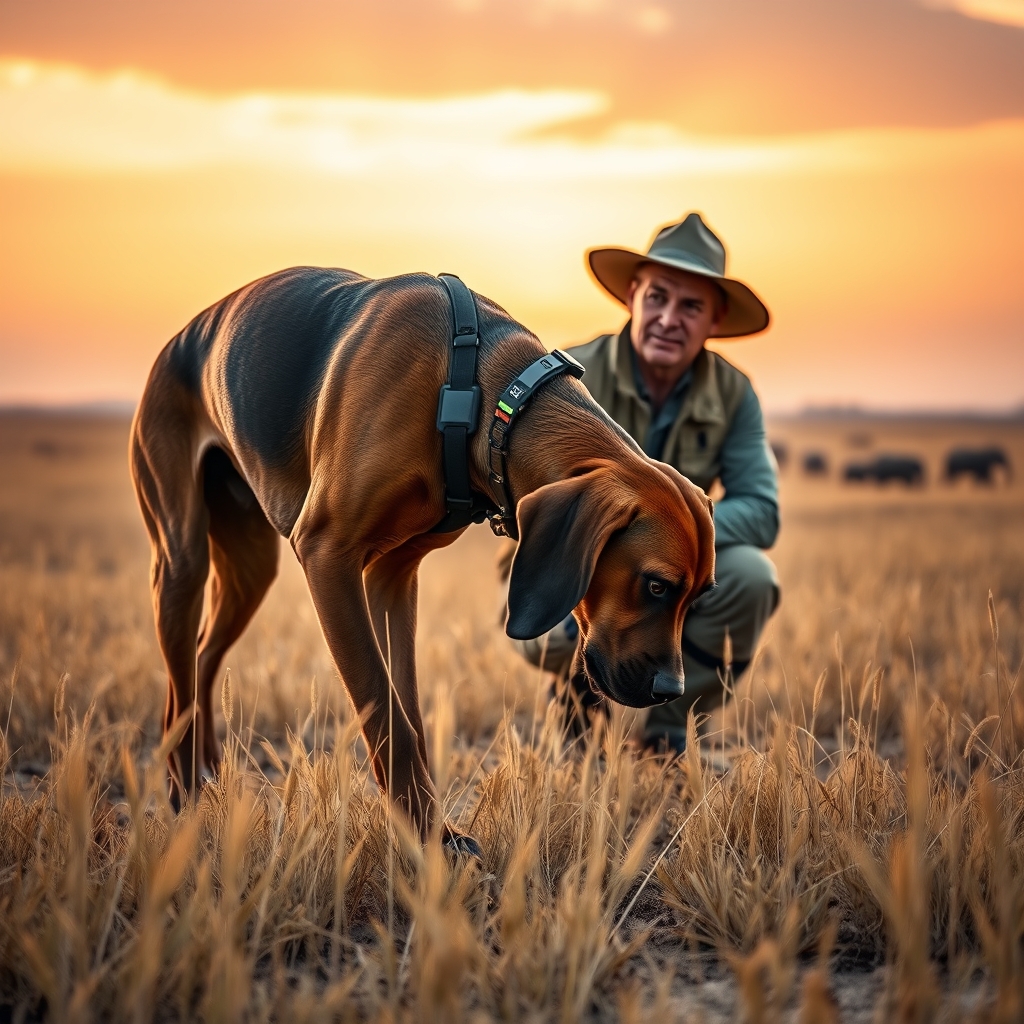
The golden light of dawn spills across the savannah, painting the tall grasses in hues of amber and rust. A gentle breeze carries with it the earthy scent of damp soil, the musk of distant herbivores, and the faint, lingering trace of something far more elusive. It is here, in the vast and untamed landscapes where human senses falter, that tracking dogs emerge as the unsung pioneers of wildlife discovery. With noses attuned to the whispers of the wild, these remarkable canines are not merely following trails—they are uncovering secrets that have evaded human understanding for centuries.
The Nose That Knows No Bounds
Tracking dogs, particularly breeds like Bloodhounds, Beagles, and German Shorthaired Pointers, possess olfactory capabilities that border on the supernatural. A dog’s nose contains up to 300 million scent receptors, compared to a human’s mere 6 million. This biological marvel allows them to detect odors at concentrations as low as one part per trillion—a sensitivity that transforms the invisible into the tangible. For wildlife researchers, this ability is nothing short of revolutionary. Where human eyes see only an undisturbed thicket, a tracking dog perceives the faintest residue of a passing jaguar, the lingering pheromones of a rare orchid pollinated by bats, or the telltale signs of an endangered pangolin’s nocturnal journey.
In the dense rainforests of Central Africa, tracking dogs have become indispensable allies in the fight against poaching. Their noses can distinguish between the scent of a human intruder and that of a local ranger, even days after the trail has gone cold. This precision has led to a dramatic increase in the interception of illegal wildlife traffickers, as well as the recovery of confiscated animal parts before they vanish into the black market. But their role extends beyond law enforcement. These dogs are also helping scientists map the movements of elusive species like the okapi, a relative of the giraffe that had long been considered a myth by outsiders due to its reclusive nature. By tracking the okapi’s scent, researchers have gained unprecedented insights into its behavior, habitat preferences, and the threats it faces from deforestation and hunting.
Bridging the Gap Between Instinct and Innovation
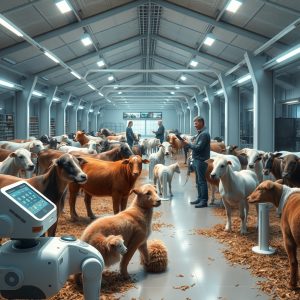
The work of tracking dogs is not confined to the untamed wilderness. In laboratories and research facilities around the world, their abilities are being augmented by cutting-edge technology, creating a powerful synergy between instinct and innovation. GPS collars, drones, and thermal imaging cameras are now standard tools in the tracking dog’s arsenal, allowing handlers to monitor their movements in real-time and collect data with unprecedented accuracy. For instance, in the rugged mountains of the American West, tracking dogs equipped with GPS collars have been deployed to study the migration patterns of gray wolves. By following the scent trails left by these apex predators, the dogs help researchers identify critical corridors that wolves use to traverse fragmented landscapes, information that is vital for conservation planning.
One of the most groundbreaking applications of this technology is in the field of non-invasive wildlife monitoring. Traditional methods of studying animals, such as trapping or tagging, can be stressful for the subjects and may alter their natural behavior. Tracking dogs, however, can locate and identify animals without ever making direct contact. In the wetlands of Florida, Bloodhounds have been trained to detect the presence of the endangered Florida panther by sniffing out scat, or droppings, left behind by the big cats. This method not only provides researchers with valuable genetic and dietary information but also allows them to estimate population sizes without disturbing the animals. The dogs’ ability to cover vast areas quickly and efficiently has made them an invaluable tool in the race to protect some of the world’s most vulnerable species.
The Human-Canine Partnership: A Bond Forged in the Wild
The relationship between a tracking dog and its handler is one of mutual trust, respect, and deep understanding. It is a partnership that begins long before the first scent is ever picked up, rooted in hours of rigorous training, patience, and shared experiences. Handlers must learn to read their dogs’ subtle cues—the flick of an ear, the tension in their posture, the intensity of their sniffing—as these are the unspoken signals that guide them through the wilderness. In return, the dogs rely on their handlers to interpret their findings, to make sense of the invisible trails they uncover, and to advocate for their role in conservation efforts.
This bond is perhaps most evident in the high-stakes world of search and rescue, where tracking dogs have saved countless lives. But in the realm of wildlife conservation, their impact is equally profound. In the vast and often inhospitable landscapes of the Arctic, tracking dogs have been used to locate polar bear dens, allowing researchers to study these iconic predators without disturbing their vulnerable cubs. In the dense jungles of Southeast Asia, they have helped uncover the hidden nests of critically endangered birds, providing conservationists with the data needed to protect these fragile populations. Each success story is a testament to the unique partnership between human and canine, a collaboration that transcends species and speaks to the shared desire to protect the natural world.
The Future of Tracking: Where Science Meets the Wild
As the challenges facing wildlife continue to grow, so too does the importance of tracking dogs in conservation efforts. Climate change, habitat destruction, and the illegal wildlife trade are pushing species to the brink, and traditional methods of study are often too slow or too invasive to keep pace. Tracking dogs, with their unparalleled ability to navigate the complexities of the natural world, offer a solution that is both efficient and ethical. Their work is not just about following a scent—it is about preserving the delicate balance of ecosystems, uncovering the hidden lives of animals, and ensuring that the wild places we cherish today will endure for generations to come.
Yet, the role of tracking dogs is not without its challenges. Training and maintaining a team of highly skilled scent hounds requires significant resources, and their deployment in remote or dangerous environments can pose risks to both the dogs and their handlers. There is also the ethical consideration of using animals in research, a debate that underscores the need for responsible and humane practices in their training and deployment. Despite these hurdles, the benefits of their work are undeniable. Tracking dogs are not just tools of conservation—they are ambassadors of the wild, bridging the gap between human curiosity and the mysteries of the natural world.
The sun dips below the horizon, casting long shadows across the landscape as the day gives way to night. Somewhere in the distance, a tracking dog lifts its nose to the wind, catching the faintest hint of a scent that will lead it—and the humans who follow—deeper into the unknown. In a world where the wild is increasingly under threat, these dogs are more than just trackers; they are guardians of a legacy, keepers of secrets, and the silent partners in humanity’s quest to understand and protect the planet’s most precious inhabitants. Their work is a reminder that the wild is not just a place to visit, but a living, breathing world that demands our respect, our curiosity, and our unwavering commitment to its preservation.