The Compassionate Blueprint: How Animal Assisted Intervention and Precision Care Are Crafting a Future of Measurable, Individualized Well-Being for Animals

Imagine a world where every animal—whether a therapy dog, a farm pig, or a shelter cat—receives care tailored precisely to their emotional and physical needs. This isn’t a distant dream; it’s the emerging reality shaped by Animal Assisted Intervention and cutting-edge advancements in evidence-based husbandry. By blending technology, behavioral science, and compassionate handling practices, we’re moving beyond one-size-fits-all care to a future where positive welfare indicators guide every decision. But how exactly are these innovations transforming the way we understand and nurture animal well-being?
The Science Behind Animal Assisted Therapy: More Than Just Companionship
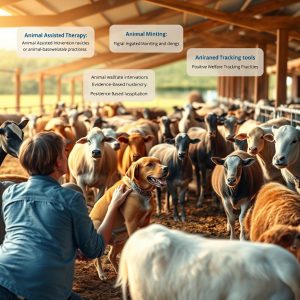
Animal Assisted Therapy (AAT) has long been celebrated for its ability to reduce stress, accelerate healing, and improve mental health in humans. Yet its benefits extend far beyond the human-animal bond. Recent studies reveal that structured human-animal interaction can also enhance the welfare of the animals involved. For instance, therapy dogs trained with voluntary participation training show lower cortisol levels and higher engagement during sessions, proving that mutual benefit is possible when care is rooted in respect and choice.
But what happens when animals can’t participate in traditional AAT? Enter robotic pet therapy, a burgeoning field that offers companionship without the physical demands on live animals. While it may seem counterintuitive, robotic pets have shown promise in reducing agitation in dementia patients and providing sensory stimulation for animals in long-term care facilities. The key lies in balancing innovation with ethical considerations—ensuring that these tools supplement, rather than replace, genuine human-animal interaction.
Precision Livestock Farming: Where Data Meets Compassion
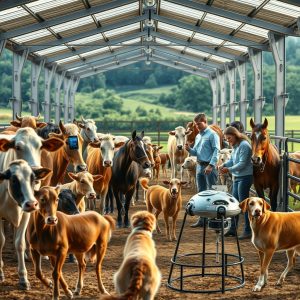
The agricultural sector is undergoing a quiet revolution, driven by precision livestock farming. Sensors, AI-driven analytics, and real-time animal behavior monitoring are enabling farmers to detect illness, stress, or discomfort before visible symptoms appear. For example, accelerometers attached to dairy cows can track movement patterns, alerting caretakers to lameness or changes in feeding behavior. This proactive approach not only improves productivity but also aligns with sustainable animal management by reducing antibiotic use and enhancing overall welfare.
Yet technology alone isn’t enough. The most successful implementations pair data with compassionate handling practices. Farmers trained in low-stress techniques report higher milk yields, lower injury rates, and animals that are more receptive to human interaction. It’s a testament to how individualized care protocols can transform even large-scale operations into models of animal-centered care.
Beyond the Farm: Innovations in Companion Animal Care
For pet owners, the rise of digital health tracking is making it easier than ever to monitor their companion’s well-being. Wearable devices like smart collars track activity levels, sleep patterns, and even respiratory rates, providing early warnings for potential health issues. When combined with non-pharmacological interventions—such as cognitive enrichment puzzles or pheromone diffusers—these tools create a holistic approach to pet care that prioritizes both physical and mental health.
But perhaps the most exciting frontier is virtual animal interaction. From apps that simulate pet ownership for those unable to care for a live animal to VR experiences that allow users to “walk” a dog in a virtual park, these innovations are expanding access to the benefits of human-animal interaction. While they can’t replace the real thing, they offer a bridge for those facing barriers like allergies, housing restrictions, or financial constraints.
Assessing Welfare: The Role of Positive Indicators
Traditionally, animal welfare assessments focused on minimizing negative states like pain or hunger. Today, the shift toward positive welfare indicators is redefining what it means to thrive. Researchers now measure behaviors like play, curiosity, and social engagement to gauge an animal’s emotional well-being. For example, a study on shelter dogs found that those given opportunities for experiential animal learning—such as scent games or obstacle courses—showed higher adoption rates and lower stress levels.
This approach is equally transformative in veterinary care. Clinics adopting animal welfare assessment protocols report higher patient compliance and reduced anxiety during visits. Techniques like compassionate handling practices—such as allowing cats to remain in their carriers during exams or using treats to reward calm behavior—are simple yet powerful ways to improve outcomes for both animals and their caregivers.
The Future of Accessible Veterinary Care
Despite these advancements, one critical challenge remains: veterinary care accessibility. Millions of animals worldwide lack access to basic medical services, let alone cutting-edge treatments. Innovations like telemedicine, mobile clinics, and AI-driven diagnostic tools are beginning to bridge this gap. For instance, apps that use image recognition to identify skin conditions or parasites can empower pet owners to seek timely care, while partnerships between nonprofits and tech companies are bringing low-cost solutions to underserved communities.
Yet technology must be paired with education. Teaching pet owners about evidence-based husbandry—from proper nutrition to environmental enrichment—can prevent many common health issues before they arise. When combined with compassionate handling practices, these efforts create a ripple effect, improving welfare at both the individual and community levels.
Crafting a Future Where Every Animal Thrives
The intersection of Animal Assisted Intervention, precision care, and compassionate practices is redefining what it means to care for animals. Whether through robotic pet therapy in nursing homes, AI-driven animal behavior monitoring on farms, or virtual animal interaction for those who can’t have pets, these innovations are making well-being measurable, accessible, and deeply individualized. The key lies in balancing technological progress with ethical responsibility—ensuring that every advancement serves the animal’s best interests.
As we move forward, the question isn’t just what we can do for animals, but how we can empower them to live their best lives. By embracing positive welfare indicators, prioritizing voluntary participation training, and leveraging data to inform care, we’re not just improving welfare; we’re reimagining it. The blueprint for a compassionate future is already here—it’s up to us to build it, one tailored intervention at a time.