
The Art of Agility: How Competitive Canine Athletes Are Redefining Pet Performance
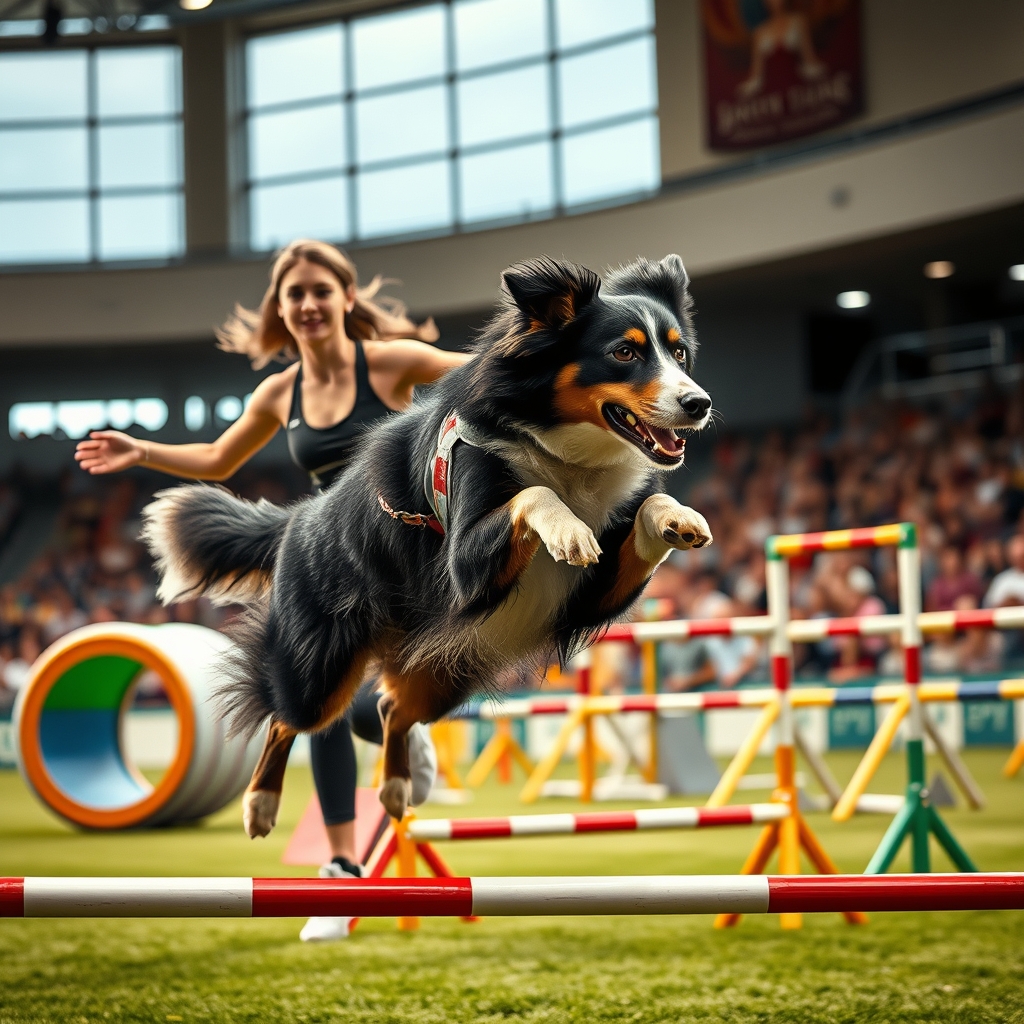
The world of competitive pet sports is a dazzling spectacle of speed, precision, and partnership. Among the most thrilling of these events are agility competitions, where dogs and their handlers navigate intricate obstacle courses with the grace of seasoned athletes. These events are not just about raw speed; they are a testament to the deep bond between human and animal, a dance of trust and communication that unfolds in real time under the watchful eyes of judges and spectators.
The Rise of Agility as a Global Phenomenon
Agility competitions have evolved from humble beginnings into a global phenomenon, captivating audiences with their blend of athleticism and strategy. Originating in the late 1970s as a form of entertainment during intermissions at dog shows, agility has since grown into a highly organized sport with international championships, professional circuits, and a dedicated following. Organizations like the American Kennel Club (AKC), the United States Dog Agility Association (USDAA), and the International Federation of Cynological Sports (IFCS) have standardized rules and courses, ensuring that the sport remains both challenging and fair for all participants.
The appeal of agility lies in its accessibility. Unlike breed-specific competitions, agility is open to dogs of all shapes, sizes, and backgrounds. From the nimble Border Collie to the sturdy Bulldog, each dog brings its unique strengths to the course. Handlers, too, come from diverse walks of life—some are professional trainers, while others are everyday pet owners who have discovered a passion for the sport. This inclusivity has helped agility transcend cultural and geographical boundaries, making it a beloved pastime in countries around the world.
The Anatomy of an Agility Course
An agility course is a carefully designed maze of obstacles, each requiring a specific skill set from the dog. Standard elements include jumps, tunnels, weave poles, A-frames, seesaws, and pause tables. The course is typically set up in an open arena, with handlers guiding their dogs through the sequence using verbal commands, hand signals, and body language. The goal is to complete the course as quickly and accurately as possible, with penalties for faults such as knocked-down bars, missed contacts, or refusal to perform an obstacle.
The design of the course is where the artistry of agility truly shines. Course builders, often experienced competitors themselves, craft layouts that test a dog’s speed, agility, and problem-solving abilities. Some courses are straightforward, with a clear path from start to finish, while others are deceptively complex, requiring dogs to make sharp turns, backtrack, or navigate obstacles in unconventional ways. The unpredictability of each course keeps both dogs and handlers on their toes, ensuring that no two competitions are ever the same.
The Role of the Handler: More Than Just a Guide
While the dog is the star of the show, the handler plays an equally crucial role in agility competitions. A skilled handler must anticipate the dog’s movements, adjust their own position to maintain a clear line of communication, and make split-second decisions to correct mistakes or capitalize on opportunities. This dynamic partnership is built on months, if not years, of training, where trust and mutual understanding are forged through repetition and positive reinforcement.
Handlers employ a variety of techniques to guide their dogs, from traditional verbal commands like “jump,” “tunnel,” or “weave” to more subtle cues such as body positioning and eye contact. Some handlers use clicker training to mark desired behaviors, while others rely on a system of hand signals that their dogs have learned to interpret. The most successful teams are those that communicate seamlessly, almost as if they share a single mind. This level of synchronicity is what sets elite agility competitors apart from the rest.
The Physical and Mental Demands on Canine Athletes
Agility is as much a mental game as it is a physical one. Dogs must not only possess the strength and endurance to complete the course but also the focus and discipline to follow their handler’s instructions under pressure. The best agility dogs are those that thrive on challenge, displaying a combination of intelligence, drive, and adaptability. Breeds like Border Collies, Australian Shepherds, and Shetland Sheepdogs are often seen excelling in the sport, thanks to their high energy levels and eagerness to work.
However, agility is not without its risks. The repetitive nature of training and competing can lead to injuries, particularly in high-impact areas like the joints and paws. Responsible handlers prioritize their dog’s well-being, incorporating warm-up routines, conditioning exercises, and rest periods into their training regimens. Many also work closely with veterinarians and canine sports medicine specialists to ensure their dogs remain in peak condition. After all, a healthy dog is a happy dog, and a happy dog is more likely to perform at its best.
The Cultural Impact of Agility Competitions
Beyond the thrill of competition, agility has had a profound impact on how society views the capabilities of dogs. These events challenge the stereotype of pets as mere companions, showcasing them as athletes, performers, and partners in a shared pursuit. Agility competitions have also fostered a sense of community among participants, who often travel great distances to compete and socialize with like-minded enthusiasts. The camaraderie among handlers, the shared joy of watching dogs perform, and the collective celebration of achievements create an atmosphere that is both competitive and supportive.
Moreover, agility has inspired a new generation of pet influencers and animal talent agencies. Social media platforms are filled with videos of dogs conquering agility courses, amassing millions of views and turning talented canines into overnight sensations. These viral stars often go on to secure sponsorships, modeling contracts, and even roles in films and advertisements. Agility has become a gateway for dogs to enter the world of pet modeling and performance, blurring the lines between sport and entertainment.
The Future of Agility: Innovation and Inclusivity
As agility continues to grow in popularity, the sport is evolving to embrace new technologies and formats. Virtual agility competitions, for example, have gained traction in recent years, allowing handlers to submit videos of their dogs completing courses from the comfort of their own homes. This innovation has made the sport more accessible to those who may not have the means or opportunity to travel to in-person events. Additionally, advancements in course design, such as the use of modular obstacles and interactive elements, are pushing the boundaries of what agility can be.
Inclusivity remains a key focus for the agility community. Efforts are being made to welcome dogs of all breeds, ages, and abilities, including those with physical disabilities or behavioral challenges. Adaptive agility programs, for instance, modify courses to accommodate dogs with mobility issues, ensuring that every dog has the chance to experience the joy of competition. These initiatives reflect the sport’s core values of teamwork, perseverance, and unconditional love for our canine companions.
The world of agility is a celebration of the extraordinary bond between humans and dogs. It is a sport that demands skill, dedication, and heart, where the true reward is not just the thrill of victory but the journey of growth and connection. Whether you are a competitor, a spectator, or simply an admirer of canine athleticism, agility offers a glimpse into the limitless potential of the human-animal partnership. As the sport continues to evolve, one thing remains certain: the magic of agility lies not in the obstacles themselves, but in the unspoken language of trust and teamwork that brings them to life.