The Rise of Elite Animal Talent: How Performance Pets Are Redefining Fame and Competition
The pet industry has undergone a seismic shift in the last decade, evolving from a niche hobby into a multi-billion-dollar empire where animals are no longer just companions—they are performers, influencers, and even high-fashion icons. The rise of pet influencers and animal talent agencies has blurred the lines between domesticity and celebrity, creating a new paradigm where a dog’s Instagram following can rival that of a human influencer. But beyond the viral videos and sponsored posts lies a more structured, competitive world where animals are trained, groomed, and showcased with the same precision as professional athletes.
The Business of Animal Talent: From Viral Sensations to Professional Careers
Animal talent agencies have emerged as the gatekeepers of this burgeoning industry, scouting, training, and representing animals for roles in advertising, film, and social media. These agencies operate much like their human counterparts, negotiating contracts, managing public appearances, and even handling brand deals. The most successful animal actors—think of the famed canine stars of commercials or the feline models gracing luxury brand campaigns—are not just lucky pets; they are the result of meticulous training and strategic career management.
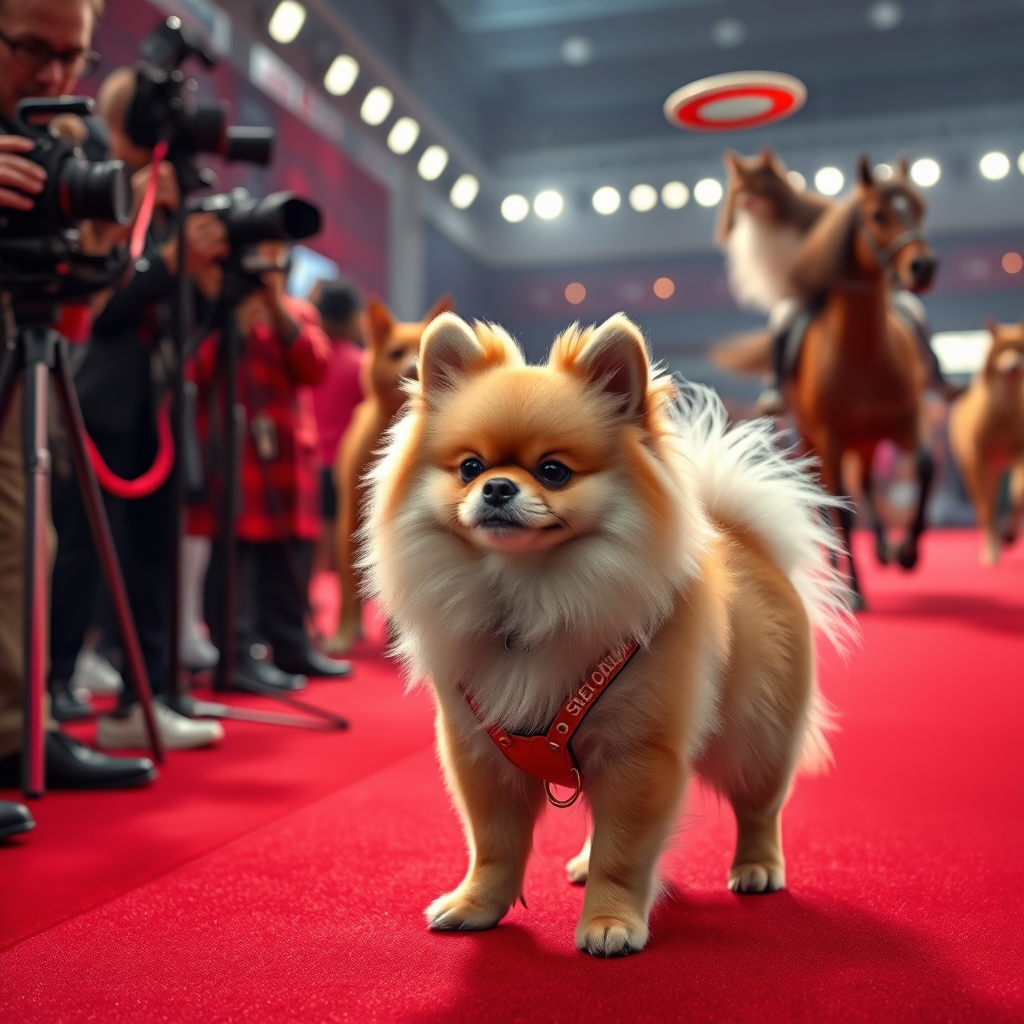
Take, for example, the case of Jiffpom, the Pomeranian with over 10 million Instagram followers. What began as a cute pet account transformed into a full-fledged career, with Jiffpom appearing in music videos, commercials, and even walking the red carpet. This level of success is not accidental. It requires a team of professionals, including trainers, groomers, and social media managers, all working in tandem to craft an image and maintain a brand. The financial stakes are high: top-tier pet influencers can command thousands of dollars per sponsored post, while animal actors in major productions earn salaries that rival those of their human co-stars.
The Competitive Edge: Agility, Obedience, and the Pursuit of Perfection
Beyond the glamour of social media and modeling, the world of competitive animal sports offers a different kind of prestige. Agility competitions, obedience trials, and breed championships are not just about winning trophies; they are a testament to the bond between animal and handler, as well as the rigorous training required to achieve excellence. These events are judged with the same scrutiny as human athletic competitions, with winners often achieving near-celebrity status within their respective communities.
Agility competitions, in particular, have gained a cult following. Dogs navigate obstacle courses with speed and precision, their handlers guiding them through tunnels, jumps, and weave poles. The level of coordination and trust required is staggering, and the best teams make it look effortless. Similarly, obedience trials test a dog’s discipline and responsiveness, with judges evaluating everything from heelwork to scent detection. These competitions are not merely about physical prowess; they are a showcase of mental acuity and the deep connection between animal and trainer.
The Dark Side of Perfection: Exploitation and Ethical Concerns
However, the pursuit of perfection in the animal talent and competition industries is not without its controversies. The pressure to meet purebred standards, for instance, has led to concerns about inbreeding and genetic health issues. Pedigree shows, while celebrating the beauty and lineage of specific breeds, often prioritize aesthetics over well-being, leading to a host of hereditary conditions. The rise of exotic pets in the influencer space has also raised ethical questions, with some animals being subjected to stressful environments or unnatural living conditions to maintain their appeal.
Moreover, the commercialization of animal talent has led to instances of exploitation. Some trainers and handlers have been accused of using harsh methods to achieve desired behaviors, prioritizing performance over the animal’s welfare. The line between dedication and cruelty can be thin, and the industry’s rapid growth has outpaced the development of robust ethical guidelines. As the demand for animal talent continues to rise, so too does the need for stricter regulations and greater transparency in training practices.
From the Ring to the Runway: The Intersection of Performance and Fashion
The fusion of performance animals and high fashion has given rise to a new kind of celebrity: the pet model. Luxury brands, from Gucci to Chanel, have embraced animals in their campaigns, casting them as the ultimate status symbols. These pets are not just accessories; they are muses, their images splashed across billboards and magazine covers. The grooming competitions that often accompany these campaigns are a spectacle in their own right, with animals transformed into living works of art through elaborate styling and meticulous grooming.
Cat fanciers, in particular, have capitalized on this trend. Breeds like the Bengal, Sphynx, and Maine Coon are prized not just for their pedigree but for their photogenic qualities. These cats are groomed, posed, and photographed with the same attention to detail as human models, their images disseminated across social media platforms to millions of followers. The result is a symbiotic relationship between fashion and animal talent, where both industries benefit from the other’s allure.
The Future of Animal Talent: Virtual Contests and Digital Domination
As technology continues to evolve, so too does the landscape of animal talent. Virtual pet contests, where owners submit videos or photos of their pets competing in various categories, have gained traction, particularly during the pandemic. These contests democratize the industry, allowing pets from all over the world to compete without the need for travel or physical presence. Canine freestyle, a sport where dogs perform choreographed routines to music, has also found a new audience online, with viral videos amassing millions of views.
The digital age has also given rise to new forms of animal performance. Disc dog tournaments, where dogs catch flying discs in mid-air, have become a staple of online content, with some teams achieving viral fame. Equestrian events, too, have embraced digital platforms, with live streams and social media campaigns bringing the sport to a global audience. The line between physical and virtual competition is blurring, creating new opportunities—and challenges—for animal talent.
The world of elite animal talent is a microcosm of modern celebrity culture, where fame is no longer confined to humans. It is an industry built on skill, strategy, and spectacle, where animals are both the stars and the products. Yet, as the industry continues to grow, it must grapple with the ethical implications of its success. The challenge lies in balancing the pursuit of excellence with the well-being of the animals at its heart. For now, the spotlight remains firmly fixed on these extraordinary performers, but the conversation about their future is only just beginning.