The Future of Animal Welfare: Integrating Animal Assisted Intervention and Evidence-Based Husbandry for Enhanced Well-Being
The future of animal welfare is being redefined by the integration of Animal Assisted Intervention (AAI) and Evidence-Based Husbandry (EBH). This powerful synergy is creating a new standard of compassionate care, where technology and empathy converge to ensure the well-being of our animal companions. In this article, we will explore how AAI and EBH are revolutionizing animal welfare, from positive welfare indicators to sustainable animal management.
Animal Assisted Intervention: A Beacon of Hope
Animal Assisted Intervention is a non-pharmacological intervention that uses the presence of animals to improve the well-being of individuals. This approach has been shown to reduce stress, anxiety, and depression, and to improve mood and cognitive function. From Animal Assisted Therapy in healthcare settings to Human-Animal Interaction in educational environments, AAI is proving to be a powerful tool in enhancing the quality of life for both humans and animals.
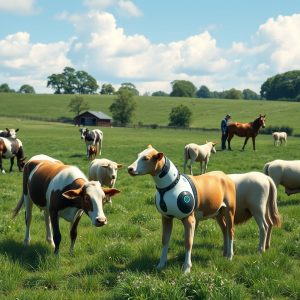
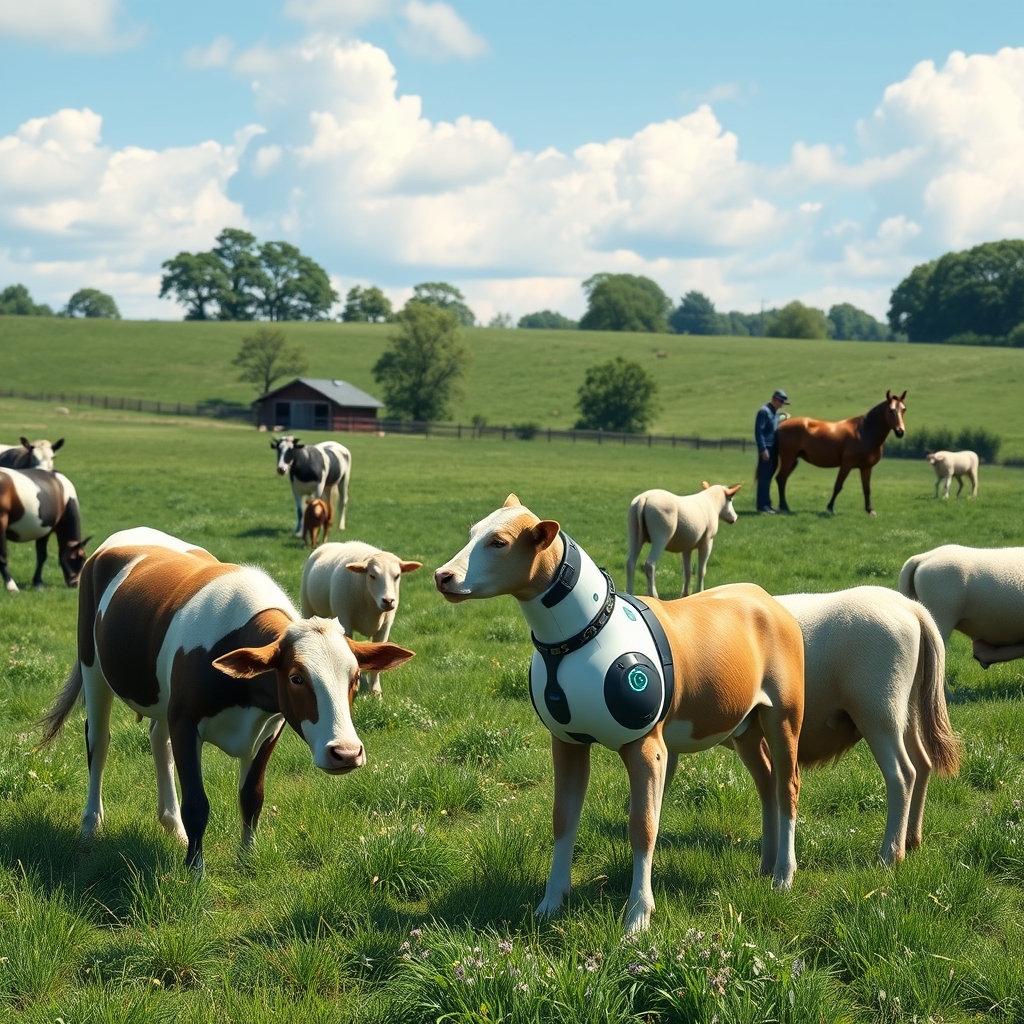
One of the most innovative aspects of AAI is the use of Robotic Pet Therapy. These advanced robots are designed to mimic the behavior of real pets, providing comfort and companionship to individuals who may not be able to interact with live animals. This technology is particularly beneficial in healthcare settings, where it can help patients recover from illness or injury.
Evidence-Based Husbandry: The Science of Animal Care
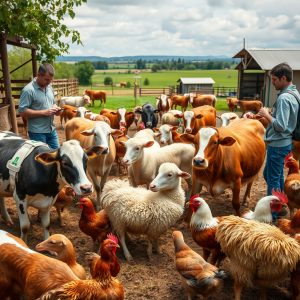
Evidence-Based Husbandry is a science-driven approach to animal care that focuses on the individual needs of each animal. This approach is based on the principle that animals are not one-size-fits-all, and that their well-being can be enhanced through tailored care protocols. EBH is revolutionizing the way we care for animals, from Precision Livestock Farming to Animal Behavior Monitoring.
One of the key components of EBH is Individualized Care Protocols. These protocols are designed to meet the unique needs of each animal, taking into account their breed, age, health status, and environmental factors. This approach ensures that animals receive the care they need to thrive, and helps to prevent the development of health problems.
The Synergy of AAI and EBH
The integration of Animal Assisted Intervention and Evidence-Based Husbandry is creating a new standard of compassionate care for animals. This synergy is enhancing the well-being of animals in a variety of settings, from farms and shelters to zoos and wildlife sanctuaries. By combining the benefits of AAI and EBH, we can create a more compassionate and sustainable future for animals.
One of the most exciting aspects of this synergy is the use of Voluntary Participation Training. This training program teaches animals to participate in AAI activities on their own terms, ensuring that they are comfortable and happy throughout the process. This approach is particularly beneficial in settings where animals may be stressed or anxious, such as in shelters or during transport.
Experiential Animal Learning and Sustainable Animal Management
Experiential Animal Learning is an innovative approach to animal care that focuses on the enrichment of the animal’s environment. This approach is based on the principle that animals learn best through experience, and that their well-being can be enhanced through interactive and stimulating activities. Experiential Animal Learning is particularly beneficial in settings where animals may be bored or understimulated, such as in zoos or wildlife sanctuaries.
Sustainable Animal Management is another key component of the integration of AAI and EBH. This approach focuses on the long-term well-being of animals, taking into account their physical, emotional, and social needs. Sustainable Animal Management is particularly beneficial in settings where animals are raised for food or other purposes, such as in Precision Livestock Farming.
Animal Centered Care Models and Animal Welfare Assessment
Animal Centered Care Models are a new approach to animal care that focuses on the individual needs of each animal. This approach is based on the principle that animals are not one-size-fits-all, and that their well-being can be enhanced through tailored care protocols. Animal Centered Care Models are particularly beneficial in settings where animals may have unique needs, such as in shelters or during transport.
Animal Welfare Assessment is another key component of the integration of AAI and EBH. This approach focuses on the measurement of the well-being of animals, using a variety of indicators such as behavior, health, and social interactions. Animal Welfare Assessment is particularly beneficial in settings where animals may be stressed or anxious, such as in shelters or during transport.
Cognitive Animal Enrichment and Non-Pharmacological Interventions
Cognitive Animal Enrichment is an innovative approach to animal care that focuses on the mental well-being of animals. This approach is based on the principle that animals are not only physical beings, but also have complex mental lives that need to be nurtured and stimulated. Cognitive Animal Enrichment is particularly beneficial in settings where animals may be understimulated, such as in zoos or wildlife sanctuaries.
Non-Pharmacological Interventions are another key component of the integration of AAI and EBH. This approach focuses on the use of behavioral and environmental interventions to enhance the well-being of animals. Non-Pharmacological Interventions are particularly beneficial in settings where animals may be stressed or anxious, such as in shelters or during transport.
Virtual Animal Interaction and Digital Health Tracking
Virtual Animal Interaction is an innovative approach to animal care that focuses on the use of technology to enhance the well-being of animals. This approach is based on the principle that animals can benefit from interactions with other animals, even if those interactions are virtual. Virtual Animal Interaction is particularly beneficial in settings where animals may not be able to interact with other animals, such as in shelters or during transport.
Digital Health Tracking is another key component of the integration of AAI and EBH. This approach focuses on the use of technology to monitor the health and well-being of animals. Digital Health Tracking is particularly beneficial in settings where animals may be difficult to monitor, such as in Precision Livestock Farming.
Veterinary Care Accessibility and Compassionate Handling Practices
Veterinary Care Accessibility is an innovative approach to animal care that focuses on the use of technology to enhance the accessibility of veterinary care. This approach is based on the principle that animals can benefit from veterinary care, even if they are not able to access it in person. Veterinary Care Accessibility is particularly beneficial in settings where animals may not be able to access veterinary care, such as in remote areas or during transport.
Compassionate Handling Practices are another key component of the integration of AAI and EBH. This approach focuses on the use of gentle and humane handling practices to enhance the well-being of animals. Compassionate Handling Practices are particularly beneficial in settings where animals may be stressed or anxious, such as in shelters or during transport.
The future of animal welfare is being redefined by the integration of Animal Assisted Intervention and Evidence-Based Husbandry. This powerful synergy is creating a new standard of compassionate care, where technology and empathy converge to ensure the well-being of our animal companions. By embracing the benefits of AAI and EBH, we can create a more compassionate and sustainable future for animals. So, let’s embrace this exciting new chapter in animal welfare, and work together to ensure that our animal companions live happy, healthy, and fulfilling lives.