
The Science of Trust: How Animal Assisted Intervention and Evidence-Based Husbandry Are Building a Future of Positive Welfare Indicators
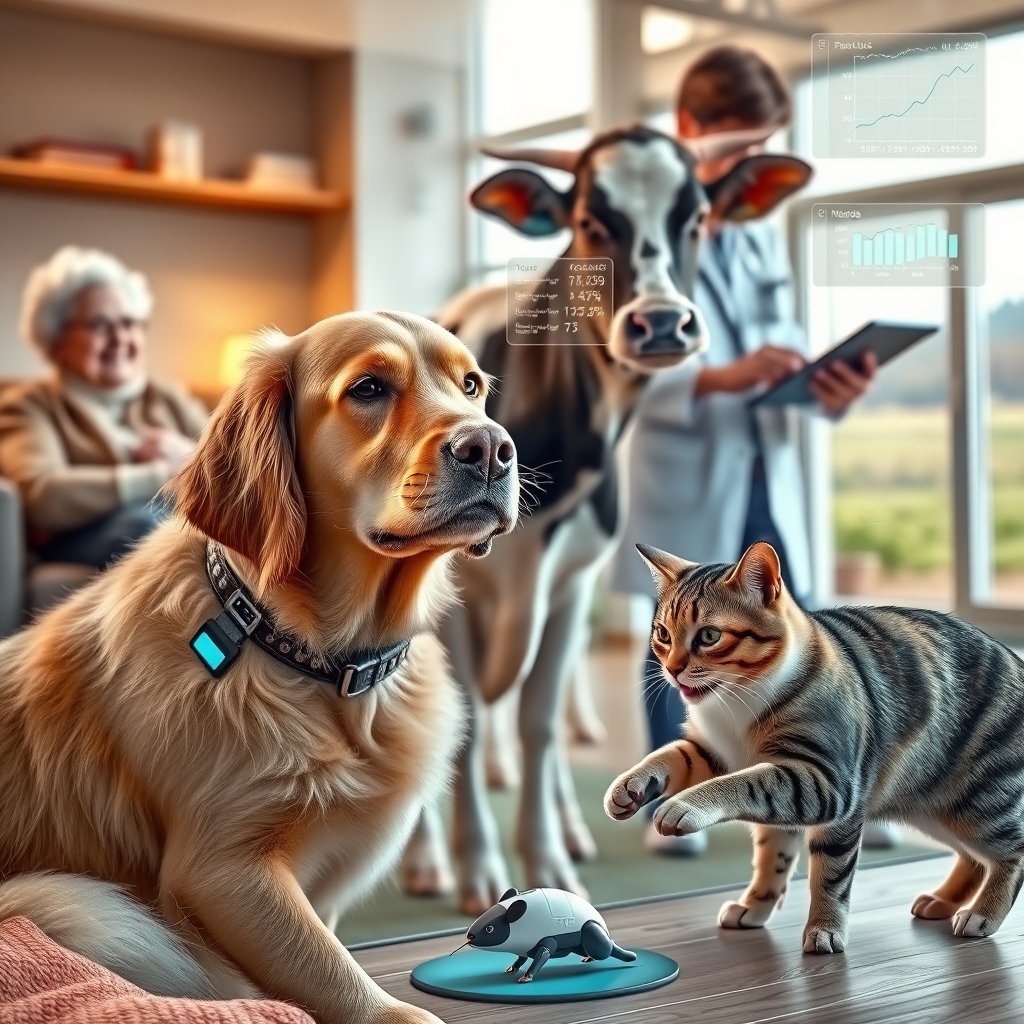
Imagine a world where every animal—whether a therapy dog, a dairy cow, or a shelter cat—thrives not just physically, but emotionally and psychologically. This isn’t a distant dream; it’s the emerging reality shaped by Animal Assisted Intervention and evidence-based husbandry. These approaches are transforming how we understand, measure, and enhance animal well-being, moving beyond basic care to a future where every interaction is rooted in science, empathy, and measurable outcomes. The shift is profound: from reactive treatments to proactive, individualized care protocols that prioritize positive welfare indicators like curiosity, play, and voluntary participation.
The Foundation: Evidence-Based Husbandry and Its Role in Modern Animal Care
Evidence-based husbandry isn’t just a buzzword—it’s a paradigm shift. By integrating scientific research with practical animal care, this approach ensures that every decision, from diet to housing, is backed by data. For example, precision livestock farming uses sensors and AI to monitor health metrics in real-time, allowing farmers to detect stress or illness before it becomes critical. This isn’t just about efficiency; it’s about elevating the quality of life for animals under human care.
But data alone isn’t enough. The true power of evidence-based husbandry lies in its ability to translate numbers into actionable insights. Animal behavior monitoring tools, for instance, track subtle changes in movement or vocalizations, helping caregivers identify signs of distress or contentment. When combined with individualized care protocols, this creates a feedback loop where animals receive tailored interventions that align with their unique needs. The result? A care model that’s as dynamic as the animals it serves.
Animal Assisted Therapy: Where Science Meets Emotional Connection
Animal Assisted Therapy (AAT) has long been celebrated for its ability to heal humans, but its benefits extend far beyond the therapy room. At its core, AAT is a testament to the power of human-animal interaction, a bond that fosters mutual well-being. Studies show that animals involved in therapy programs exhibit lower stress levels and higher engagement, thanks to structured, positive interactions with humans. This isn’t coincidental—it’s a carefully designed system where both parties thrive.
Yet, the success of AAT hinges on one critical factor: the welfare of the animals themselves. Programs that prioritize compassionate handling practices and voluntary participation training ensure that animals are active, willing participants in the process. Techniques like experiential animal learning allow animals to explore and engage at their own pace, reinforcing trust and reducing anxiety. When animals feel safe and valued, their capacity to connect with humans deepens, creating a ripple effect of healing and growth.
The Rise of Non-Pharmacological Interventions: Beyond Traditional Medicine
Medication has its place, but the future of animal care is increasingly embracing non-pharmacological interventions that address the root causes of stress and discomfort. Cognitive animal enrichment, for example, stimulates an animal’s mind through puzzles, social interactions, or novel environments, promoting mental well-being. Similarly, robotic pet therapy and virtual animal interaction are emerging as innovative ways to provide companionship and stimulation, particularly for animals in confined or isolated settings.
These interventions aren’t just about distraction—they’re about empowerment. By offering animals choices and control over their environment, caregivers can mitigate stress and enhance quality of life. Digital health tracking tools further support this by providing real-time data on an animal’s emotional and physical state, allowing for timely adjustments to their care plan. The goal is simple: to create an environment where animals don’t just survive, but flourish.
Sustainable Animal Management: Balancing Ethics and Innovation
Sustainability in animal care isn’t just about environmental impact—it’s about creating systems that are ethically sound and economically viable. Sustainable animal management integrates practices like animal-centered care models and animal welfare assessment to ensure that every decision aligns with the long-term well-being of the animals. This might include rotating grazing systems for livestock, which improve soil health and animal welfare simultaneously, or designing habitats that mimic natural environments for zoo animals.
Technology plays a pivotal role in this balance. Precision livestock farming, for instance, reduces resource waste while improving animal health outcomes. By monitoring feed intake, growth rates, and health metrics, farmers can optimize their operations without compromising welfare. Similarly, veterinary care accessibility is expanding through telemedicine and mobile clinics, ensuring that animals in remote or underserved areas receive the care they deserve. These innovations aren’t just good for animals—they’re good for the planet and the people who care for them.
The Human Factor: Compassionate Handling and Its Lasting Impact
At the heart of every breakthrough in animal care is a simple truth: compassion matters. Compassionate handling practices—such as low-stress training techniques and gentle restraint methods—build trust between animals and their caregivers. This trust is the foundation of positive welfare indicators, like relaxed body language, playful behavior, and a willingness to engage. When animals feel safe, they’re more likely to exhibit natural behaviors, form social bonds, and respond positively to training.
But compassion isn’t just about kindness—it’s about consistency. Training programs that emphasize voluntary participation and individualized care protocols ensure that animals are never forced into situations that cause fear or discomfort. Instead, they’re given the autonomy to explore, learn, and interact on their own terms. This approach doesn’t just improve welfare; it strengthens the human-animal bond, creating a partnership built on mutual respect and understanding.
The Future Is Here: How You Can Be Part of the Change
The future of animal care isn’t a distant vision—it’s unfolding right now, in shelters, farms, therapy centers, and homes around the world. Whether you’re a pet owner, a farmer, or an animal advocate, you have the power to contribute to this movement. Start by observing your animals closely, noting their behaviors and preferences. Advocate for evidence-based husbandry practices in your community, and support organizations that prioritize animal welfare assessment and sustainable animal management.
Technology can be a powerful ally, too. Explore digital health tracking tools or virtual animal interaction platforms to enhance your animal’s well-being. And remember, every small change—from choosing compassionate handling practices to providing cognitive animal enrichment—adds up to a larger transformation. The goal isn’t perfection; it’s progress. Together, we can build a future where every animal’s well-being is not just measured, but celebrated.