
Traveling with Pets: Tips for a Stress-Free Journey
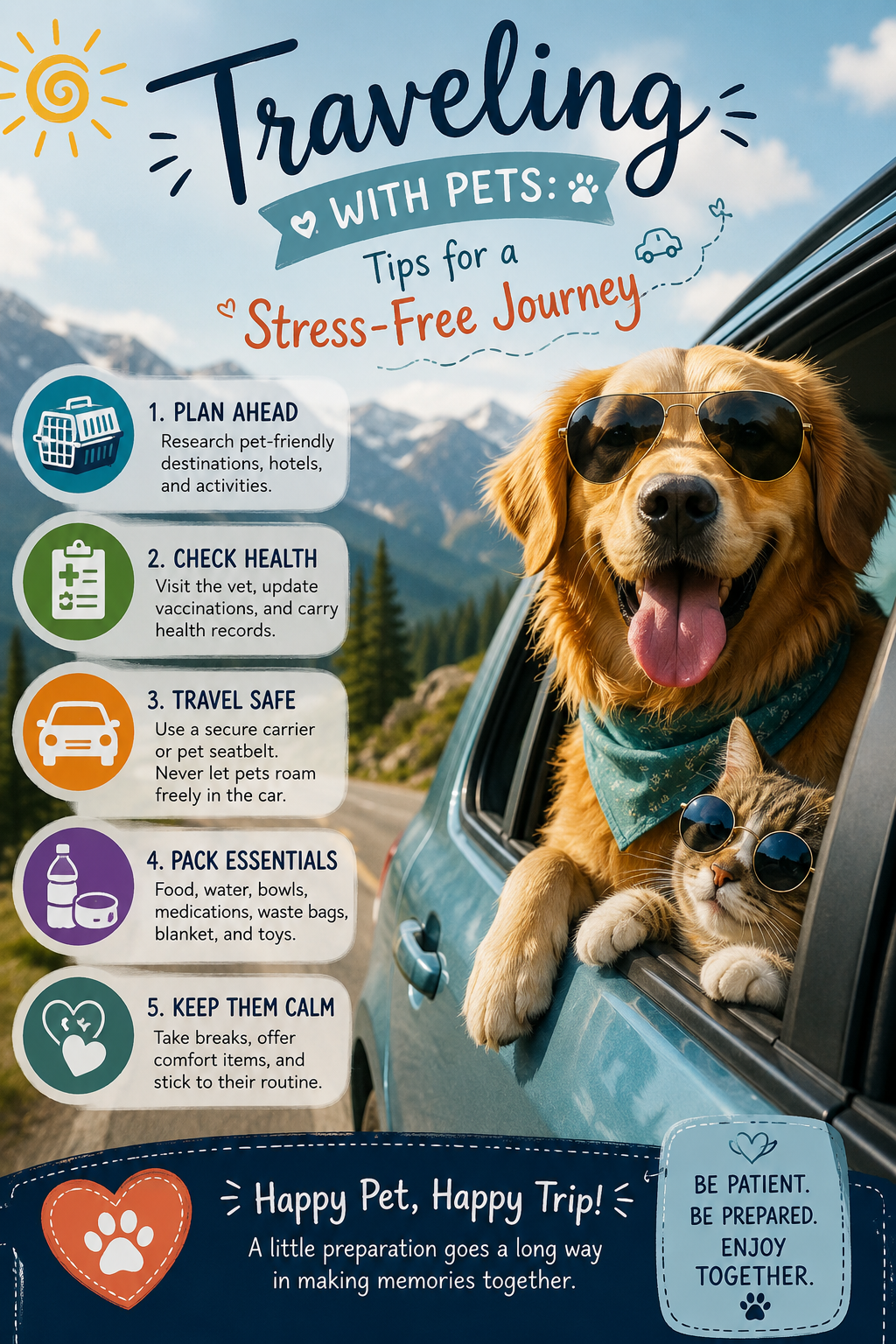
Traveling with pets can transform a simple trip into a memorable adventure, but it also requires careful planning to ensure their comfort and safety. Whether you’re embarking on a road trip, flying to a new destination, or simply exploring nearby pet-friendly spots, preparation is key to a smooth experience for both you and your furry companion.
Pre-Trip Preparations: Setting the Stage for Success
Before you hit the road or board a plane, take time to prepare your pet for the journey ahead. Start by scheduling a visit to the veterinarian for a check-up. Ensure your pet is up-to-date on vaccinations, and ask for a copy of their medical records to carry with you. If your pet is prone to anxiety or motion sickness, discuss possible remedies or medications with your vet. Microchipping is also a wise precaution—just make sure your contact information is current in the database.
Familiarize your pet with their travel carrier or crate well in advance. Leave it open in your home with a cozy blanket inside, encouraging them to explore and nap in it. For dogs, practice short car rides to help them acclimate to the motion and sounds of travel. Gradually increase the duration of these trips to build their confidence. For cats or smaller pets, secure the carrier in the car with a seatbelt to prevent shifting during the ride.
Packing Essentials: What to Bring for Your Pet
Packing for your pet is just as important as packing for yourself. Start with the basics: food, water, and collapsible bowls for easy feeding on the go. Bring enough of your pet’s regular food to last the entire trip, as sudden diet changes can upset their stomach. Don’t forget treats for positive reinforcement and a favorite toy or two to keep them entertained. A familiar-smelling blanket or bed can also provide comfort in unfamiliar surroundings.
Include a pet first-aid kit with items like bandages, antiseptic wipes, tweezers (for tick removal), and any prescribed medications. A leash, harness, and waste bags are essential for dogs, while a litter box and litter are must-haves for cats. If you’re traveling to a destination with specific weather conditions, pack accordingly—think cooling mats for hot climates or a pet-safe sweater for colder regions. Lastly, bring a recent photo of your pet in case they get lost, along with a copy of their ID tags and microchip information.
Choosing Pet-Friendly Destinations
Not all destinations are created equal when it comes to pet-friendliness. Research your options thoroughly to find accommodations, restaurants, and attractions that welcome pets. Many hotels and vacation rentals offer pet-friendly rooms, but it’s important to confirm their policies in advance. Some may have size restrictions, breed limitations, or additional fees, so read the fine print before booking.
Look for destinations with plenty of outdoor spaces where your pet can stretch their legs and explore. National parks, beaches, and hiking trails often have pet-friendly areas, though some may require pets to be leashed at all times. Urban destinations can also be pet-friendly, with dog parks, outdoor cafes, and even pet spas available in many cities. Websites and apps dedicated to pet travel can be invaluable resources for finding the best spots.
Managing Anxiety and Stress During Travel
Travel can be stressful for pets, especially if they’re not used to it. To minimize anxiety, maintain a calm and reassuring demeanor—pets often pick up on their owner’s emotions. Stick to your pet’s regular routine as much as possible, including feeding times and walks. For pets prone to motion sickness, avoid feeding them right before travel and consider using a pet-safe calming spray or pheromone collar.
During long car rides, take frequent breaks to allow your pet to stretch, hydrate, and relieve themselves. Never leave your pet alone in a parked car, as temperatures can rise dangerously quickly, even with the windows cracked. If you’re flying, choose a direct flight when possible to reduce stress, and check the airline’s pet policies well in advance. Some airlines allow small pets in the cabin, while others require them to travel in the cargo hold—each option has its pros and cons, so weigh them carefully.
On the Road: Tips for a Smooth Journey
Once you’re on the move, keep your pet’s safety and comfort top of mind. Secure them in the car with a harness, crate, or barrier to prevent injury in case of sudden stops. For air travel, ensure their carrier is well-ventilated, labeled with your contact information, and meets the airline’s size requirements. Place an absorbent pad at the bottom of the carrier in case of accidents, and include a familiar-smelling item to soothe them.
At your destination, give your pet time to adjust to their new surroundings. Set up their bed, food, and water in a quiet area, and allow them to explore at their own pace. Keep an eye out for signs of stress, such as excessive panting, whining, or hiding, and address their needs promptly. If your pet seems overwhelmed, a short walk or play session can help them relax and burn off excess energy.
Traveling with pets is a rewarding experience that strengthens the bond between you and your furry friend. With thoughtful preparation and a flexible mindset, you can create lasting memories together, whether you’re exploring a new city, hiking through the wilderness, or simply enjoying a change of scenery. The key is to prioritize their well-being every step of the way, ensuring that every journey is as enjoyable for them as it is for you.