
The Ultimate Guide to Pet Grooming at Home
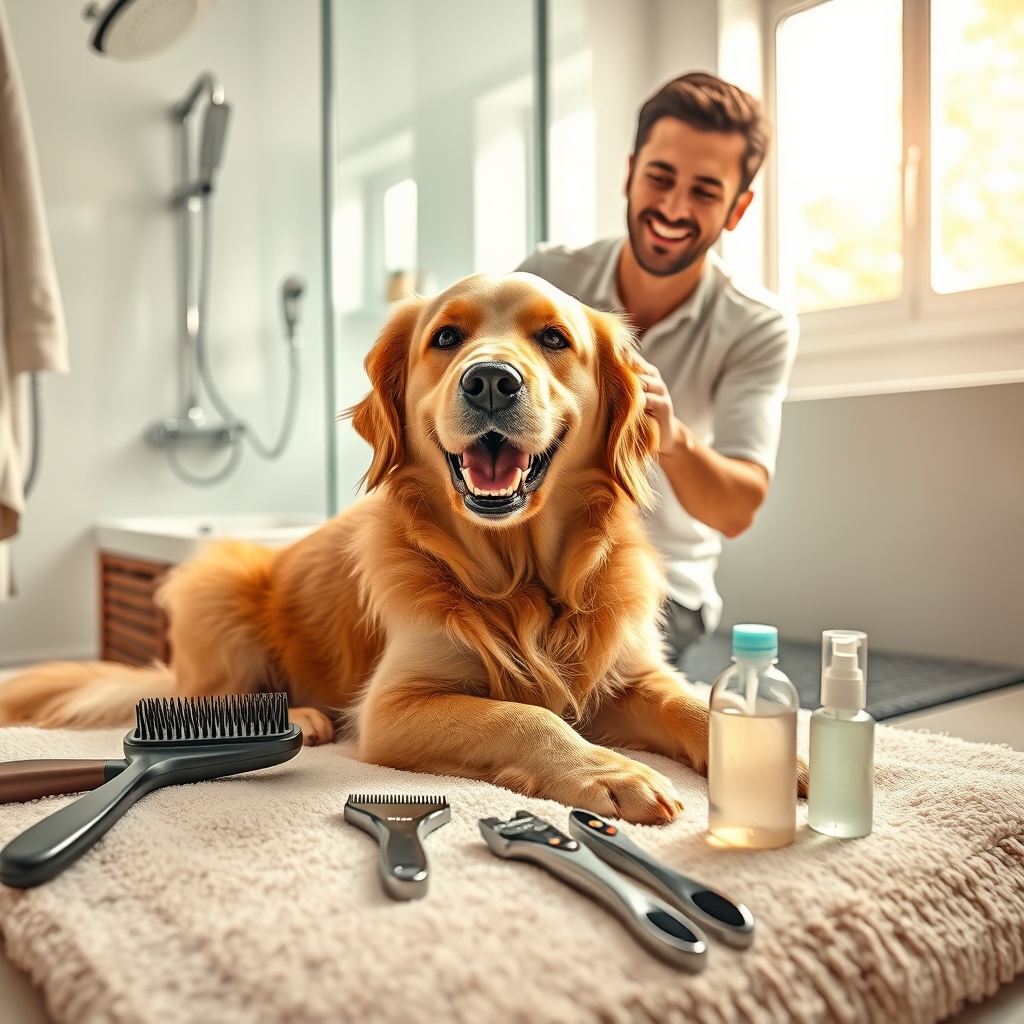
Grooming your pet at home is not just about keeping them looking their best—it’s a vital part of their overall health and well-being. Regular grooming sessions help prevent skin infections, matting, and discomfort while strengthening the bond between you and your furry friend. Whether you have a fluffy Persian cat, a short-haired Dachshund, or a curly-coated Poodle, understanding the unique needs of your pet’s breed is the first step toward a successful at-home grooming routine.
Understanding Your Pet’s Coat Type
Different breeds have distinct coat types, each requiring specific grooming techniques. Long-haired breeds like Golden Retrievers or Maine Coons need frequent brushing to prevent tangles and mats, while short-haired pets such as Beagles or Siamese cats benefit from regular brushing to minimize shedding. Double-coated breeds, like Huskies or German Shepherds, require special attention during shedding seasons to remove loose undercoat fur. Identifying your pet’s coat type will help you choose the right tools and products for a stress-free grooming experience.
Brushing: The Foundation of Grooming
Brushing is the cornerstone of any grooming routine. For long-haired pets, use a slicker brush or a wide-toothed comb to gently detangle fur, starting from the tips and working your way up to the roots. Short-haired pets may only need a rubber brush or grooming glove to remove loose hair and distribute natural oils. Brushing not only keeps your pet’s coat shiny but also stimulates blood circulation and reduces the risk of hairballs in cats. Aim to brush your pet at least 2-3 times a week, or daily for breeds prone to matting.
Nail Trimming: A Delicate Task
Trimming your pet’s nails can be intimidating, but with the right tools and technique, it becomes a manageable task. Overgrown nails can cause pain, affect your pet’s gait, and even lead to infections. Use a pair of pet-specific nail clippers or a grinder designed for animals, and always avoid cutting the quick—the sensitive part of the nail that contains blood vessels. If you’re unsure, ask your veterinarian or a professional groomer for a demonstration. For pets with dark nails, trim small amounts at a time to avoid accidents. Reward your pet with treats and praise to create a positive association with nail trimming.
Bathing: Keeping Your Pet Clean and Comfortable
Bathing frequency depends on your pet’s breed, lifestyle, and skin condition. While some pets may only need a bath every few months, others, like active dogs or those with skin allergies, may require more frequent washing. Always use a pet-safe shampoo formulated for their specific needs—human shampoos can disrupt the pH balance of their skin. Before bathing, brush your pet to remove tangles, and use lukewarm water to avoid shocking their system. Gently massage the shampoo into their coat, avoiding the eyes and ears, and rinse thoroughly to prevent residue buildup. A non-slip mat in the tub and a handheld showerhead can make the process easier for both of you.
Ear and Eye Care: Often Overlooked but Essential
Ears and eyes are sensitive areas that require regular attention. Check your pet’s ears weekly for signs of redness, odor, or excessive wax buildup, which could indicate an infection. Use a vet-approved ear cleaner and a soft cotton ball to gently wipe the outer ear—never insert anything into the ear canal. For pets with tear stains, like Maltese or Shih Tzus, use a damp cloth or a tear stain remover to clean the area around their eyes. Keeping these areas clean helps prevent infections and discomfort.
Tools and Products to Simplify Grooming
Investing in high-quality grooming tools can make a world of difference. A slicker brush, deshedding tool, and nail clippers are essential for most pets. For bathing, consider a pet-friendly shower attachment or a portable grooming tub if space is limited. Pet wipes are great for quick cleanups between baths, and dental chews can help maintain oral hygiene. Always choose products formulated for pets—never use human grooming items, as they can be harmful. If your pet has specific skin conditions, consult your veterinarian for recommendations on medicated shampoos or supplements.
Making Grooming a Positive Experience
Grooming should be a pleasant experience for both you and your pet. Start slow, especially if your pet is new to at-home grooming, and reward them with treats and praise to build trust. If your pet becomes anxious, take breaks and try again later. For particularly challenging tasks, like nail trimming, consider enlisting the help of a professional groomer. Over time, your pet will associate grooming with positive reinforcement, making future sessions easier.
At-home grooming is more than just a chore—it’s an opportunity to care for your pet’s health while deepening your connection. With the right techniques, tools, and patience, you can keep your pet looking and feeling their best without the stress of frequent trips to the groomer. The key is consistency, gentleness, and a willingness to adapt to your pet’s unique needs, ensuring every grooming session is a step toward a happier, healthier life together.