The Future of Animal Welfare: Integrating Animal Assisted Intervention and Evidence-Based Husbandry for Enhanced Well-Being
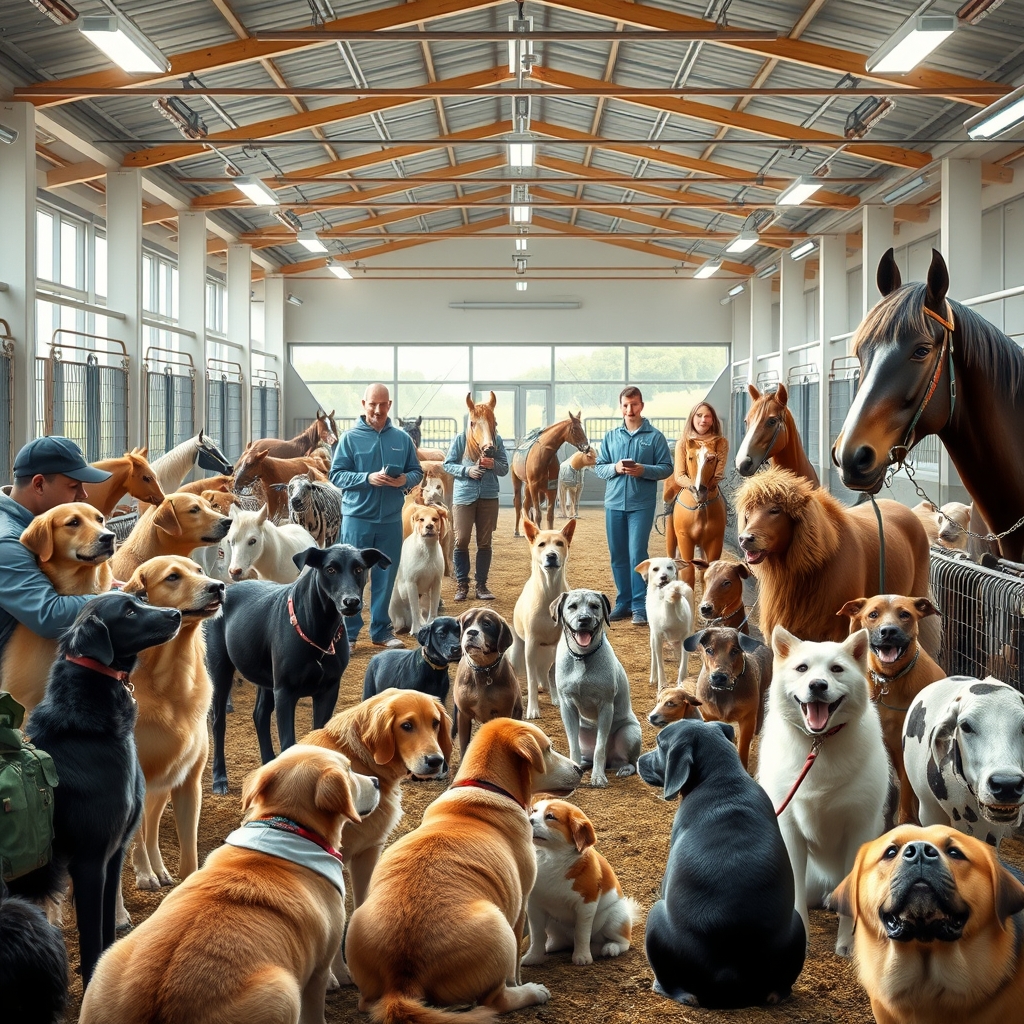
In the ever-evolving landscape of animal welfare, the integration of animal assisted intervention and evidence-based husbandry is paving the way for a future where animals live happier, healthier lives. This innovative approach combines the therapeutic benefits of human-animal interaction with the precision of scientific husbandry, creating a holistic model for animal care. As we delve into this transformative journey, we’ll explore how these interventions are redefining animal well-being and what it means for the future of animal care.
Understanding Animal Assisted Intervention
Animal assisted intervention (AAI) is a therapeutic approach that utilizes the presence of animals to promote healing, learning, and well-being in humans. This intervention can take many forms, from animal-assisted therapy in hospitals and schools to animal-assisted activities in community settings. The key to successful AAI lies in the quality of the human-animal interaction, which is why evidence-based husbandry plays a crucial role.
The Role of Evidence-Based Husbandry
Evidence-based husbandry (EBH) is a scientific approach to animal care that uses data and research to inform decision-making. By applying EBH principles to AAI, we can ensure that the interactions between humans and animals are not only beneficial but also evidence-backed. This approach involves monitoring animal behavior, assessing their welfare, and implementing individualized care protocols to meet their specific needs.
Positive Welfare Indicators
Positive welfare indicators are measurable signs of well-being in animals, such as reduced stress levels, improved social interactions, and enhanced cognitive function. By integrating AAI with EBH, we can track these indicators and use them to evaluate the effectiveness of our interventions. This data-driven approach allows us to make informed decisions and continuously improve animal care.
Robotic Pet Therapy
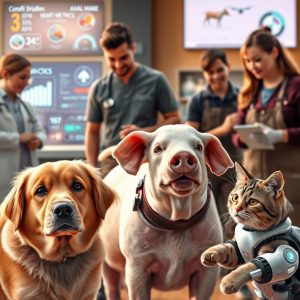
Innovations in technology have given rise to robotic pet therapy, which offers a unique and accessible form of AAI. These robots are designed to mimic the behavior and appearance of real pets, providing comfort and companionship to individuals in need. Robotic pet therapy can be particularly beneficial in settings where live animals are not feasible, such as long-term care facilities or remote areas.
Precision Livestock Farming
Precision livestock farming (PLF) is another area where AAI and EBH are making a significant impact. By using technology to monitor animal behavior and health, farmers can implement targeted interventions to promote well-being. This approach not only improves animal welfare but also enhances productivity and sustainability in the farming industry.
Voluntary Participation Training
Voluntary participation training (VPT) is a method used to teach animals to engage in specific behaviors on their own initiative. By incorporating VPT into AAI, we can create more meaningful and enriching interactions between humans and animals. This approach not only benefits the animals but also enhances the overall therapeutic experience for humans.
Experiential Animal Learning
Experiential animal learning (EAL) is an educational approach that focuses on hands-on, interactive experiences with animals. By integrating EAL into AAI, we can create immersive and engaging learning opportunities for individuals of all ages. This approach not only promotes well-being but also fosters a deeper understanding and appreciation for animals.
Sustainable Animal Management
Sustainable animal management (SAM) is a holistic approach to animal care that prioritizes the long-term well-being of animals and their environment. By combining SAM with AAI and EBH, we can create a comprehensive model for animal care that addresses the physical, emotional, and environmental needs of animals. This approach not only promotes well-being but also ensures the long-term sustainability of animal populations.
In conclusion, the integration of animal assisted intervention and evidence-based husbandry is revolutionizing the way we care for animals. By combining the therapeutic benefits of human-animal interaction with the precision of scientific husbandry, we can create a future where animals live happier, healthier lives. As we continue to explore and innovate in this field, we can look forward to a brighter and more compassionate future for animals.