The Scent Detectives: How Tracking Dogs Are Unlocking the Secrets of Vanishing Wildlife
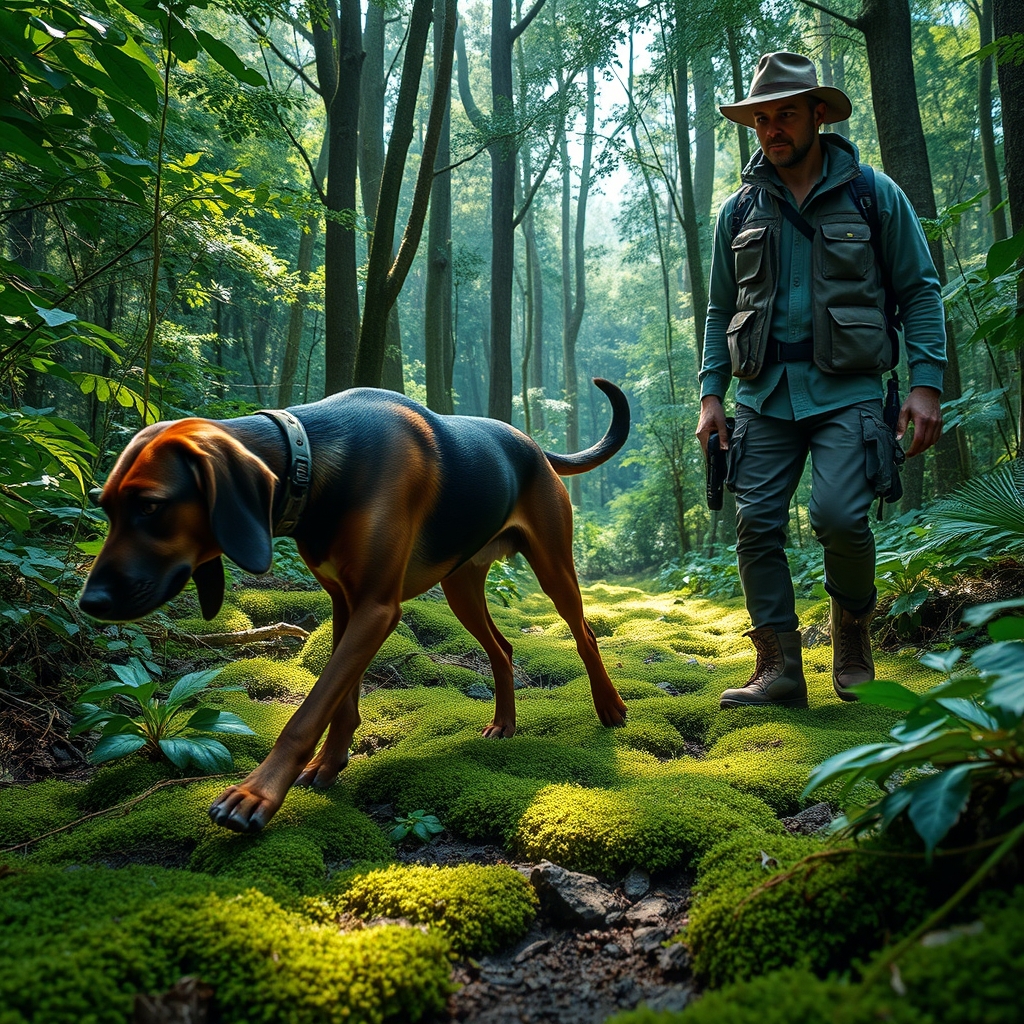
The golden light of dawn spills across the dense undergrowth, painting the forest floor in hues of amber and moss. A gentle breeze stirs the leaves, carrying with it the faintest whispers of the wild—scents that tell stories of creatures moving unseen through the shadows. Amidst this living tapestry, a pair of keen, dark eyes scans the terrain, nostrils flaring as they drink in the invisible threads of the wilderness. This is no ordinary observer; it is a tracking dog, a living, breathing instrument of discovery, whose nose holds the key to unlocking the secrets of vanishing wildlife.
The Nose That Knows No Bounds
For centuries, humans have relied on the extraordinary olfactory abilities of dogs to navigate the world. A dog’s nose is a marvel of nature, capable of detecting scents at concentrations as low as one part per trillion—equivalent to a single drop of liquid in twenty Olympic-sized swimming pools. While humans possess a mere six million olfactory receptors, a tracking dog boasts up to 300 million, making their sense of smell anywhere from 10,000 to 100,000 times more acute. This biological superpower has positioned them as indispensable allies in the quest to understand and protect the planet’s most elusive and endangered species.
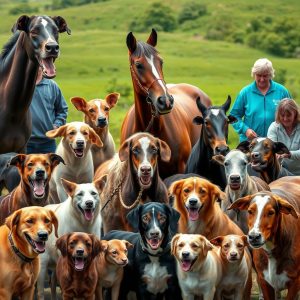
Bloodhounds, with their drooping ears and soulful eyes, are often the first breed that comes to mind when one thinks of tracking. Their reputation is well-earned; their noses are so reliable that their scent-tracking evidence has been admissible in courts of law for over a century. But they are not alone in their prowess. Breeds like the Belgian Malinois, German Shepherd, and even the lesser-known Bavarian Mountain Hound are increasingly being deployed in wildlife conservation efforts, each bringing unique strengths to the field. Whether it’s trailing the faintest scent of a snow leopard in the Himalayas or detecting the presence of invasive species in a fragile ecosystem, these dogs are rewriting the rules of wildlife research.
From the Wild to the Lab: The Science of Scent
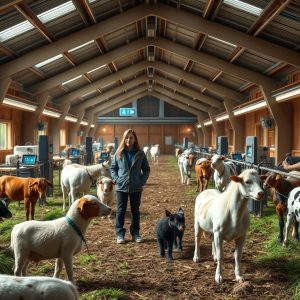
The work of tracking dogs in wildlife conservation is as much an art as it is a science. Training a scent hound to distinguish between the myriad odors of the wild requires patience, precision, and a deep understanding of animal behavior. Handlers begin by introducing the dog to the target scent—whether it’s the fur of an endangered pangolin, the scat of a rare wolf, or the pheromones of an elusive orchid bee. Through positive reinforcement, the dog learns to associate this scent with a reward, often a toy or treat, creating a powerful incentive to seek it out.
But the real magic happens in the field. Unlike traditional methods of wildlife tracking, which often rely on visual cues or camera traps, tracking dogs can follow a scent trail over vast distances and through challenging terrain. They can detect the presence of animals that have passed through an area days or even weeks earlier, providing researchers with invaluable data on migration patterns, population densities, and habitat use. In the dense rainforests of Central Africa, for example, tracking dogs have been used to locate the nests of critically endangered Cross River gorillas, a task that would be nearly impossible for humans alone. Similarly, in the vast expanses of the American Southwest, dogs have been trained to sniff out the scat of jaguars, offering a non-invasive way to study these elusive big cats.
The Ethical Compass: Balancing Conservation and Compassion
While the contributions of tracking dogs to wildlife conservation are undeniable, their use is not without ethical considerations. The welfare of the dogs themselves is paramount; they must be treated as partners rather than tools, with their physical and emotional needs given the same priority as the scientific objectives of a mission. Handlers must ensure that the dogs are not exposed to undue stress or danger, whether from harsh environmental conditions, aggressive wildlife, or the physical demands of the work. This means carefully selecting dogs with the right temperament—those that are not only driven and intelligent but also resilient and adaptable.
Moreover, the use of tracking dogs must be carefully balanced with the well-being of the wildlife they are meant to protect. Invasive tracking methods can disrupt natural behaviors, stress animals, or even lead to human-wildlife conflict. To mitigate these risks, conservationists often employ non-invasive techniques, such as collecting scat or hair samples for DNA analysis, rather than pursuing animals directly. The goal is to gather data without leaving a footprint, ensuring that the act of studying wildlife does not inadvertently harm it.
Technology Meets Tradition: The Future of Tracking
As technology advances, so too does the role of tracking dogs in wildlife conservation. Drones equipped with thermal imaging cameras can now work in tandem with scent hounds, providing a bird’s-eye view of the terrain while the dogs navigate the ground. GPS collars allow handlers to monitor the movements of their canine partners in real-time, ensuring their safety and efficiency. Meanwhile, advances in genetic analysis have made it possible to extract a wealth of information from the scat and hair samples collected by tracking dogs, from an animal’s diet and health to its genetic lineage and population structure.
Yet, for all the promise of technology, there is something irreplaceable about the bond between a handler and their dog. It is a partnership built on trust, communication, and mutual respect—a dance of instincts and intuition that no machine can replicate. In the remote corners of the world, where the wild things roam free, these teams are the bridge between human understanding and the mysteries of nature. They remind us that conservation is not just about data and statistics; it is about connection, about listening to the stories the earth has to tell and answering its call with compassion and care.
The next time you find yourself in the wilderness, pause for a moment and breathe in the air. Somewhere in the distance, a tracking dog may be doing the same, its nose attuned to the symphony of scents that we can only begin to imagine. In their silent, steadfast way, these dogs are not just tracking wildlife—they are tracking the future of our planet, one scent at a time.