Beyond the Leash: How Hunting Dogs Are Redefining Wildlife Research and Conservation
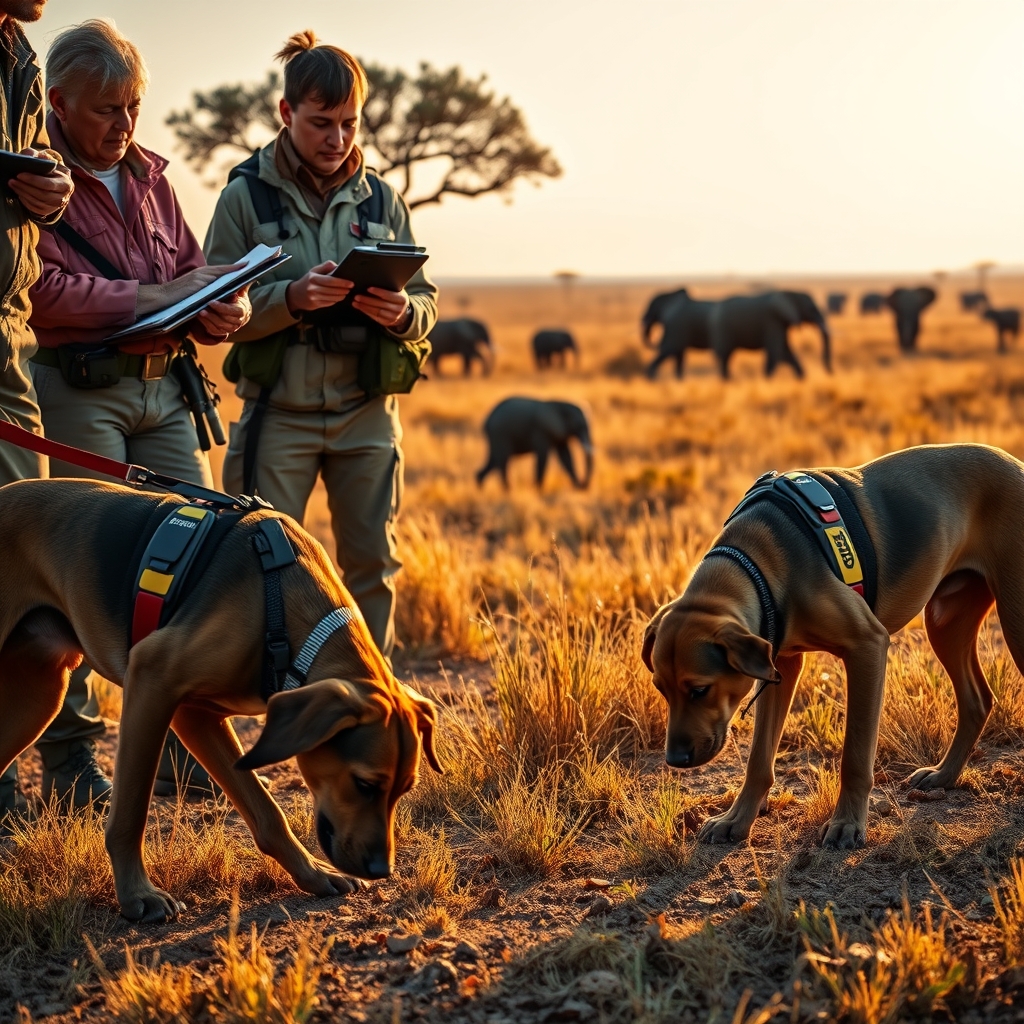
The morning mist clings to the dense undergrowth of the African savanna as a team of researchers and their four-legged companions step cautiously into the wilderness. The air is thick with the scent of damp earth and wild herbs, but for the dogs leading the way, one aroma stands out above all others—the faint, elusive trace of an endangered pangolin. These are not ordinary pets; they are highly trained scent hounds, their noses finely tuned to detect the presence of some of the planet’s most vulnerable creatures. Their work is transforming the way scientists study and protect wildlife, bridging the gap between ancient tracking traditions and cutting-edge conservation science.
The Nose Knows: The Science Behind Scent Tracking
A dog’s sense of smell is nothing short of extraordinary. While humans possess around 6 million olfactory receptors, a Bloodhound, for example, boasts an astonishing 300 million. This biological marvel allows them to detect scents at concentrations nearly 100 million times lower than what humans can perceive. For wildlife researchers, this ability is a game-changer. Scent hounds can locate animal tracks, scat, and even the faintest traces of pheromones left behind by elusive or nocturnal species. In the dense forests of Sumatra, tracking dogs have been instrumental in locating critically endangered Sumatran tigers, their keen noses cutting through the thick foliage where human eyes and technology often fail.
The training process for these dogs is rigorous and begins early. Puppies are introduced to a variety of scents, from the musk of big cats to the earthy odor of reptile scales. Positive reinforcement—treats, praise, and play—helps them associate these scents with rewards. Over time, they learn to distinguish between species, even identifying individual animals based on unique scent profiles. This level of precision is invaluable for researchers studying population dynamics, migration patterns, and the health of endangered species. In the vast landscapes of the American Southwest, scent hounds have been deployed to track Mexican gray wolves, providing data that informs conservation strategies for one of North America’s most imperiled apex predators.
From Hunters to Helpers: The Evolution of Working Dog Breeds
The relationship between humans and hunting dogs dates back thousands of years. Breeds like the Bloodhound, Beagle, and German Shorthaired Pointer were originally developed to assist hunters in tracking and retrieving game. Their instincts—keen scenting abilities, stamina, and an unwavering focus—made them indispensable in the field. However, as attitudes toward wildlife conservation have shifted, so too has the role of these remarkable animals. Today, many of these same breeds are being repurposed to serve as conservationists’ most trusted allies.
Take the case of the Labrador Retriever, a breed historically used for retrieving waterfowl. In the wetlands of Florida, Labs are now being trained to locate invasive Burmese pythons, a species that has wreaked havoc on native wildlife. Their ability to navigate swampy terrain and their gentle mouths—originally bred for retrieving game without damage—make them ideal for safely capturing these elusive snakes. Similarly, in the mountains of Central Asia, local herding dogs are being trained to detect snow leopards, a species so elusive that even experienced researchers struggle to study them. These dogs are not only helping to gather data but also fostering a sense of stewardship among local communities, who see firsthand the value of protecting their native wildlife.
The Ethical Dilemma: Balancing Tradition and Conservation
While the use of hunting dogs in conservation is undeniably effective, it is not without controversy. Critics argue that the line between hunting and conservation can blur, particularly when dogs are used in regions where poaching is rampant. There are concerns that the presence of dogs trained to track wildlife could inadvertently aid poachers or disrupt delicate ecosystems. To mitigate these risks, conservation organizations adhere to strict ethical guidelines. Dogs are only deployed in controlled environments, under the supervision of trained professionals, and their work is carefully monitored to ensure it aligns with conservation goals.
Another ethical consideration is the welfare of the dogs themselves. Working in rugged, remote environments exposes them to risks such as injuries, diseases, and encounters with dangerous wildlife. Organizations like Working Dogs for Conservation prioritize the health and well-being of their canine teams, providing regular veterinary care, proper nutrition, and ample rest. These dogs are not merely tools; they are partners, and their safety and happiness are paramount to the success of any conservation mission.
Technology Meets Tradition: The Future of Animal Tracking
While scent hounds remain unparalleled in their ability to detect and track wildlife, technology is playing an increasingly important role in conservation efforts. GPS collars, drones, and camera traps are now common tools in the field, but they are not without limitations. Drones, for example, can cover large areas quickly but struggle in dense forests or adverse weather conditions. Camera traps are excellent for capturing images of wildlife but provide limited data on animal movements or behaviors. This is where dogs come in. Their ability to navigate challenging terrain and their adaptability make them the perfect complement to modern technology.
Innovative projects are now combining the strengths of both approaches. In Kenya, researchers are using scent hounds to locate elephant dung, which is then analyzed for DNA and hormone levels to assess the health of individual animals and herds. The data collected is fed into machine learning algorithms to predict poaching hotspots and identify areas where human-wildlife conflict is likely to occur. Similarly, in the rainforests of Borneo, dogs are being used to track orangutans, while drones provide aerial support to map their habitats and monitor deforestation. This synergy between ancient tracking methods and cutting-edge technology is creating a powerful new paradigm for wildlife conservation.
The Human-Canine Bond: A Force for Change
At the heart of every successful conservation mission involving dogs is the deep bond between handler and animal. This relationship is built on trust, mutual respect, and a shared sense of purpose. Handlers spend years training with their dogs, learning to interpret their body language and signals. A slight change in posture, a shift in focus, or an excited wag of the tail can convey volumes about what the dog has detected. This level of communication is essential in the field, where split-second decisions can mean the difference between success and failure.
The impact of these canine conservationists extends beyond the data they collect. Their work is inspiring a new generation of wildlife enthusiasts, from local communities to global audiences. Nature documentaries and social media platforms have brought their stories to millions, highlighting the critical role they play in protecting our planet’s biodiversity. Children who once dreamed of becoming veterinarians or park rangers are now aspiring to work alongside these incredible dogs, driven by a desire to make a tangible difference in the world.
The sun dips below the horizon as the team of researchers and their dogs return from a long day in the field. Their boots are caked in mud, their faces streaked with dust, but their spirits are high. Another pangolin has been located, its presence documented and its habitat secured for another day. The dogs, tails wagging and tongues lolling, are rewarded with a well-earned meal and a scratch behind the ears. For them, it’s just another day at the office, but for the wild animals they help protect, it’s a lifeline. In a world where human activity increasingly encroaches on natural habitats, these four-legged guardians are proving that sometimes, the most powerful tools for conservation come on four paws and with a wagging tail.