
Embracing the Extraordinary: Navigating the World of Unique Companion Animals
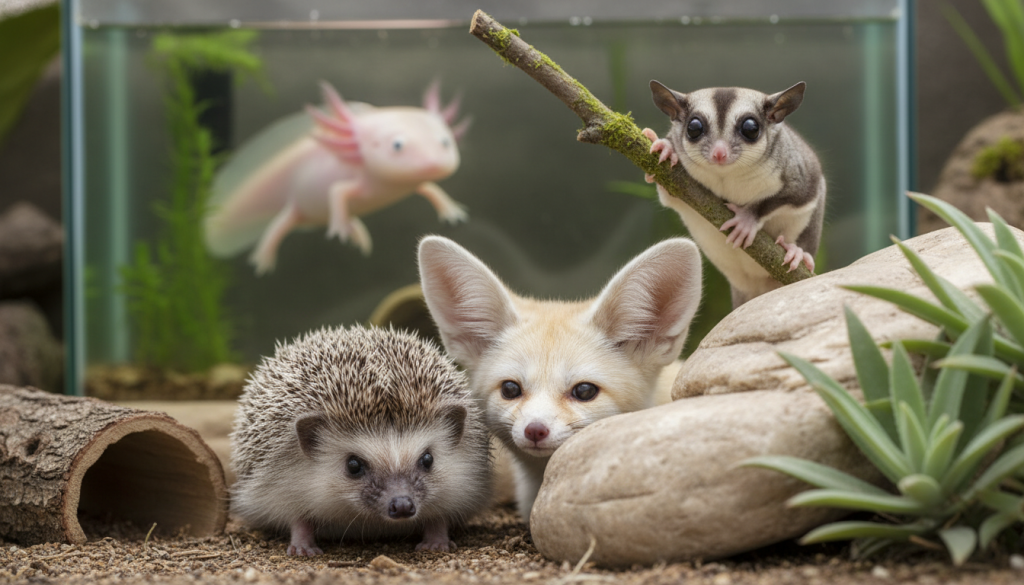
In a world where dogs fetch and cats purr, there exists a fascinating realm of companionship that stretches far beyond the conventional. For some, the call of the wild, albeit domesticated, is an irresistible siren song leading them to embrace the unique charm and challenge of exotic pets. These aren’t just animals; they are living testaments to nature’s incredible diversity, offering a glimpse into behaviors and needs that differ significantly from our more common household companions. Venturing into this world requires more than just affection; it demands extensive research, unwavering commitment, and a deep understanding of their specific requirements, transforming pet ownership into an extraordinary journey of discovery and responsibility.
The Enchanting & the Ethereal: From Gliding Mammals to Desert Dwellers
The Aerial Acrobats: Sugar Gliders
Imagine a tiny, intelligent marsupial that can literally glide through the air, their large, captivating eyes reflecting the light. Sugar Gliders, native to the forests of Australia and New Guinea, are social creatures that thrive on interaction. Their namesake comes from their preference for sugary foods and their ability to glide using a patagium, a membrane stretching from wrist to ankle. Owning a sugar glider is a commitment to their social needs; they often do best in pairs or colonies and require significant daily interaction to prevent loneliness and behavioral issues. Their diet is complex, demanding a carefully balanced mix of fresh fruits, vegetables, insects, and specialized pellets to ensure their health and longevity. Their nocturnal nature also means their most active hours align with many owners’ sleeping patterns, a factor that must be considered before welcoming these delightful creatures into your home.
The Desert’s Darlings: Fennec Foxes
With their impossibly large ears and playful demeanor, Fennec Foxes are undeniably captivating. These small nocturnal canids, originating from the Sahara Desert, possess an energy that belies their size. Their striking features – those enormous ears, which help dissipate heat and locate prey – make them instantly recognizable. Fennec foxes are highly intelligent and curious, requiring ample space for exploration and play. They are diggers by nature, so a secure enclosure, ideally with a digging area, is paramount. Their diet primarily consists of insects, small rodents, and plant matter, mimicking their wild foraging habits. While they can form strong bonds with their owners, they retain many of their wild instincts, making them a challenging yet incredibly rewarding pet for those prepared for their specific needs for socialization, mental stimulation, and a secure environment that caters to their natural behaviors.
Aquatic Wonders and Spiky Charms: Unique Companions
The Ever-Smiling Salamander: Axolotls
Shifting from land to water, the Axolotl presents a different kind of exotic allure. These critically endangered salamanders, native to Mexico City’s freshwater lakes, are renowned for their perpetual “smile” and their remarkable neotenic trait – they retain their larval features, including feathery gills and an aquatic lifestyle, throughout their lives. Axolotls are relatively low-maintenance once their specific aquatic environment is established. They require a cool, filtered freshwater tank with appropriate hiding spots and a diet of specialized pellets, worms, or small insects. Unlike many exotic pets that demand extensive interaction, axolotls are more observational pets, offering a serene and unique presence. Their fascinating biology, including their incredible regenerative abilities, makes them a captivating choice for aquarists looking for something truly out of the ordinary.
The Prickly Personalities: African Pygmy Hedgehogs
For those charmed by the adorable and the spiky, the African Pygmy Hedgehog offers a delightful, if somewhat prickly, companionship. These small, nocturnal insectivores are a hybrid of two wild African hedgehog species. When feeling threatened, they curl into a tight ball, presenting a formidable array of quills. Despite their defensive posture, they can be quite affectionate and enjoy handling once they feel secure with their owner. Their care involves providing a spacious cage with a solid, escape-proof bottom, an exercise wheel for their active nights, and a consistent temperature. Their diet consists of high-quality, specialized hedgehog food supplemented with insects and occasional fruits and vegetables. African Pygmy Hedgehogs require patience and gentle handling to build trust, but the reward is a charming, curious, and utterly unique companion.
Beyond the Expected: High-Energy Felines and Long-Lived Rodents
The spectrum of exotic pets continues to expand, encompassing everything from the majestic grace of hybrid felines like Savannah and Bengal cats – celebrated for their wild aesthetics and high energy demands – to the fluffy, long-lived charm of Chinchillas, known for their incredibly soft fur and requirement for dust baths. Each of these animals, whether a powerful Savannah cat needing extensive enrichment and space, or a delicate Chinchilla thriving in a cool, dry environment, presents its own set of challenges and joys. The common thread among them is the absolute necessity of thorough research and a commitment to meeting their highly specialized needs. From the intricate enclosure requirements of a Ball Python to the precise dietary demands of a Green Iguana, every exotic pet is a microcosm of unique biology and behavior.
The Imperative of Responsible Ownership
Before any exotic animal becomes a cherished member of the family, the prospective owner must undertake a profound journey of education. This includes understanding local and national laws regarding ownership, as many exotic species are regulated or outright illegal in certain areas. Finding a veterinarian experienced with exotic animals is crucial, as their medical needs are often vastly different from those of cats and dogs. The financial commitment can also be substantial, covering specialized food, appropriate housing, veterinary care, and enrichment items. Furthermore, considering the animal’s lifespan – which can be decades for species like Chinchillas or Macaws – is vital, as it represents a long-term commitment. Responsible ownership means prioritizing the animal’s welfare above all else, recognizing that their unique charm comes with unique responsibilities.
Ultimately, the decision to welcome an exotic animal into one’s life is a profound one, offering an unparalleled connection to the wilder side of the animal kingdom. It is a path less traveled, filled with learning, adaptation, and an immense sense of fulfillment for those who dedicate themselves fully to understanding and nurturing these extraordinary creatures. The joy derived from observing their unique behaviors, catering to their specific needs, and forging a bond unlike any other is a testament to the diverse ways in which humans and animals can connect, reminding us that true companionship transcends species, demanding only respect, knowledge, and an open heart.